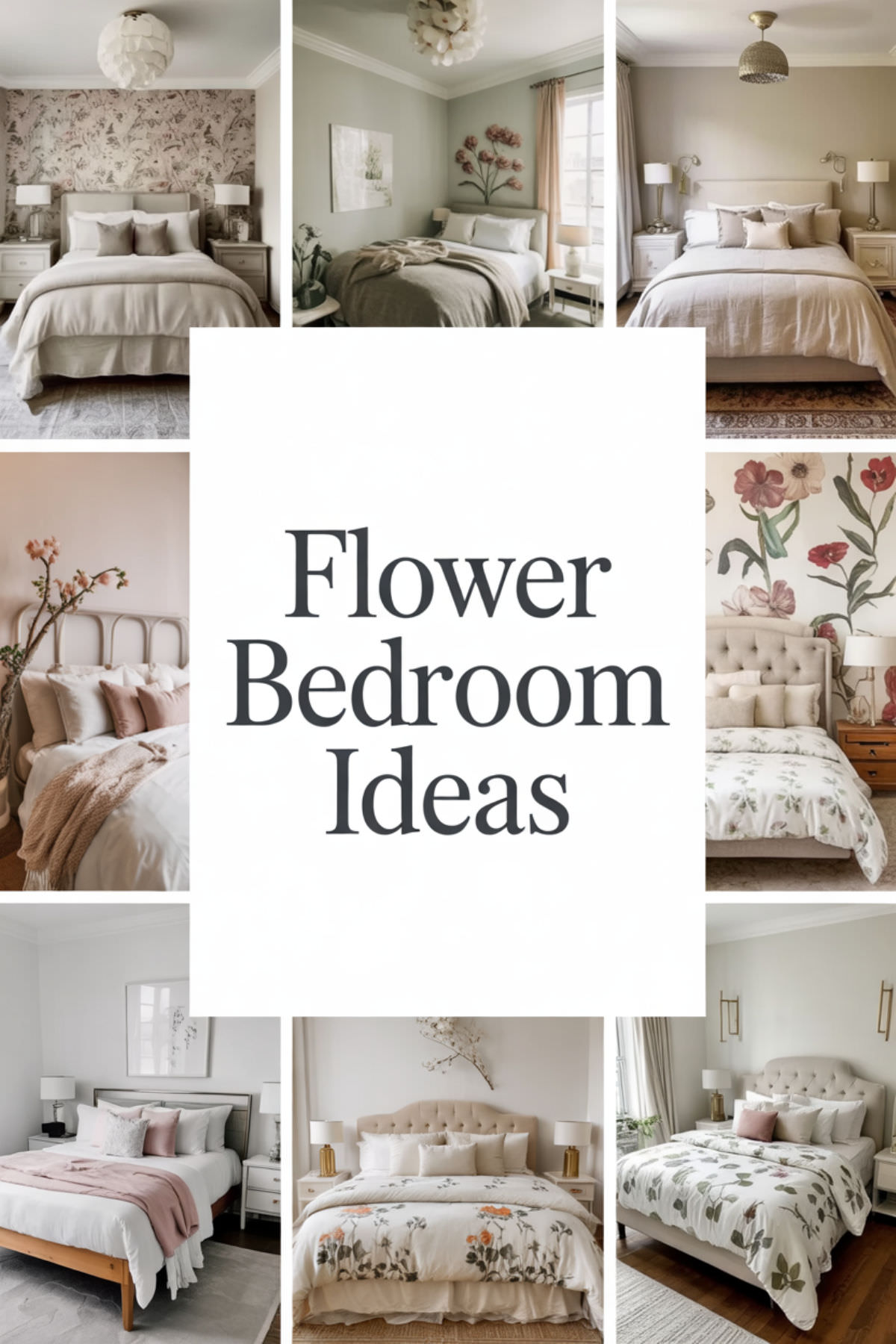
The night you found my daughter doing math homework on her bed with papers scattered everywhere, then struggling to fall asleep in the same spot where she’d just battled fractions, you knew something had to change. Her bedroom was failing at both its jobs – supporting academic success and promoting restful sleep. After researching how environment affects both learning and rest, you completely reimagined her room layout. Now she breezes through homework at her dedicated study zone and falls asleep easily in her separate sleep sanctuary. Same room, totally different experience.
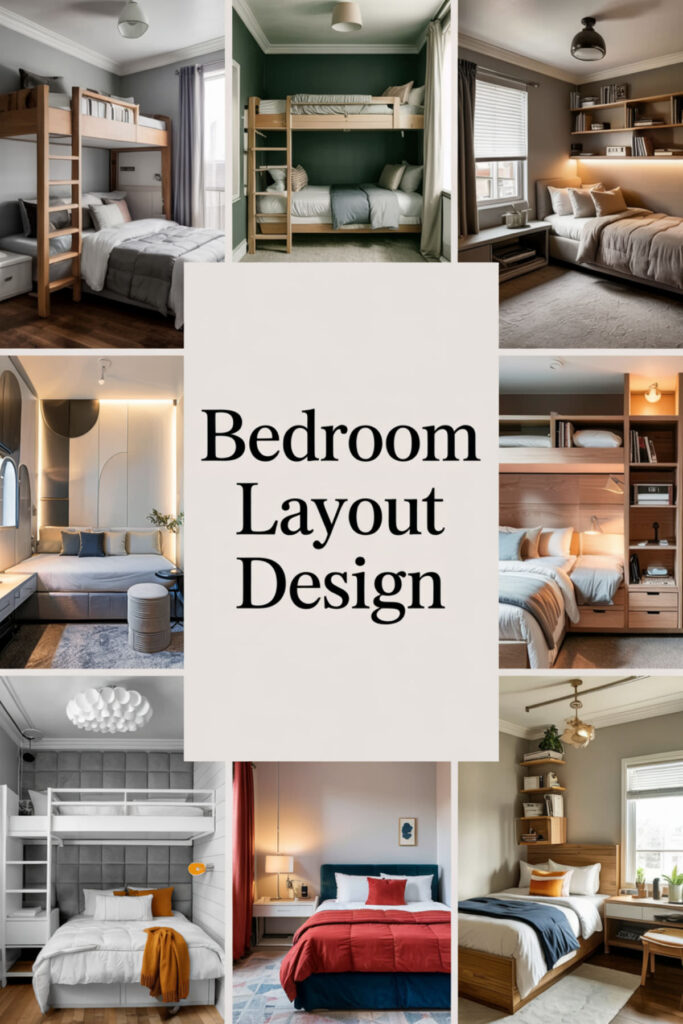
I’ve compiled 17 smart bedroom layout designs that create the perfect balance between productive homework spaces and dreamy sleep environments. These aren’t just furniture arrangements – they’re strategic designs based on how kids’ brains work best for both concentration and rest. Throughout these ideas, you’ll find practical solutions that maximize every square foot while supporting your child’s academic and sleep needs.
Save these pins now, because when you’re rearranging furniture at midnight trying to solve homework battles, you’ll want this blueprint ready. After optimizing your layout, explore our other bedroom solutions for school-aged kids. We understand that bedrooms need to work as hard as your children do. Please note this isn’t scientific advice — these are décor ideas, and the suggested effects of colors or other details may not be universally proven.
Bedroom Layout Design with Defined Zones

The secret to a bedroom that supports both homework and sleep is clear zoning. Divide your son’s room into three distinct areas: sleep zone (bed area), study zone (desk and supplies), and transition zone (reading chair). Use rugs, lighting, and furniture placement to visually separate each area. The brain associates different spaces with different activities, improving both focus and rest. This bedroom layout design principle works in any size room.
I really recommend this zoning approach for kids who struggle with transitions. Position zones based on natural light – study area near windows, sleep area in the darkest corner. Would you believe proper zoning could improve grades AND sleep? It’s could be a transformative experience.
Small Bedroom Layout Ideas Maximizing Function

Small bedrooms can absolutely support both homework and dreams with smart layout choices. Use a loft bed to create a study cave underneath – instant room doubling! Wall-mounted desks fold down for homework then disappear for play. Every piece of furniture serves multiple purposes. These small bedroom layout ideas prove size doesn’t limit function. Vertical storage keeps floors clear for different activities throughout the day.
I strongly recommend this layered approach for rooms under 100 square feet. The key is thinking up, not out. Since implementing vertical solutions, your daughter’s tiny room feels spacious and organized. Some think small rooms can’t multitask – I think they force brilliant solutions.
How to Set Up a Bedroom Layout Flow

Creating good flow between homework and sleep areas prevents one activity from contaminating the other. Consider positioning the desk near the door so homework stress doesn’t travel deep into the room. The path from desk to bed includes a transition zone – bookshelf, dresser, or chair – that helps minds shift gears. This intentional flow supports natural daily rhythms. Avoid placing the bed where it’s visible from the desk.
This setup naturally guides kids through their evening routine. I recommend this thoughtful approach to traffic patterns. The proper flow makes bedtime smoother after homework sessions. Ever since optimizing your flow, homework anxiety stays at the desk instead of following kids to bed.
Bedroom Zoning with Color and Light

Use color and lighting to reinforce different zones without building walls. Paint the study area in energizing but calm sage green, while the sleep area features soothing lavender. Install task lighting at the desk and warm ambient lighting near the bed. These visual cues help brains switch between work and rest modes. The color psychology really works for defining spaces. This zoning technique works especially well in shared bedrooms.
I really recommend this approach for creating distinct areas without major renovation. Would you use color to define spaces? The subtle boundaries make a big difference in how kids use their rooms.
Bedroom Layout Planning Tips for Growth
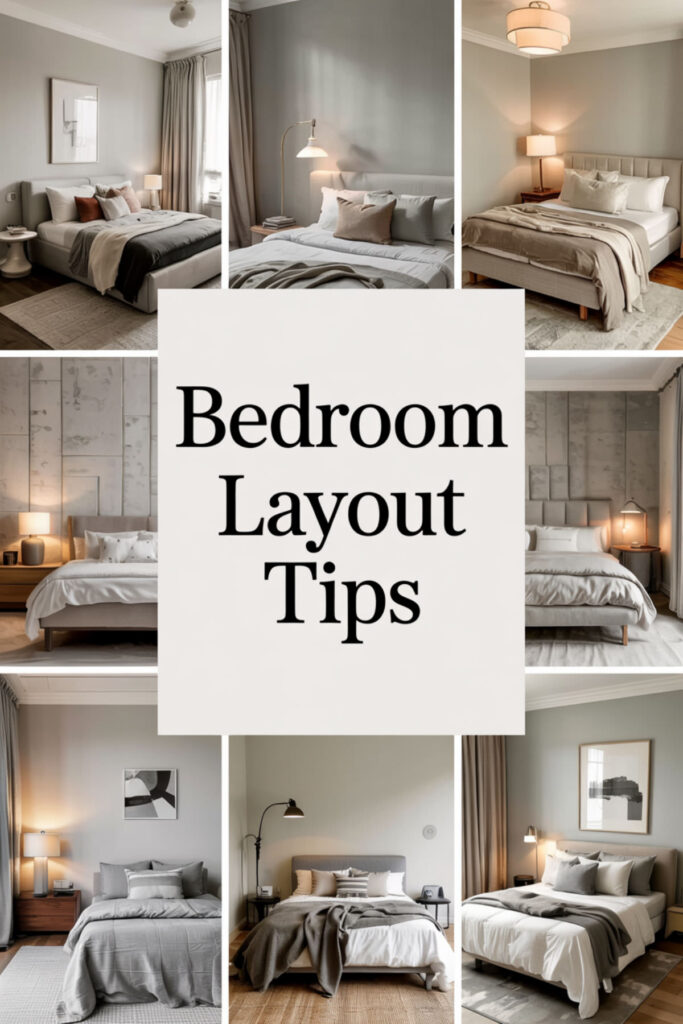
Kids’ needs change rapidly, so plan layouts that adapt. Consider choosing modular furniture that reconfigures as homework increases and sleep needs evolve. The desk that works for second grade won’t suit sixth grade. Build in flexibility from the start. Consider furniture on wheels for easy rearranging. This forward-thinking approach saves money and frustration.
I highly recommend this growth mindset when planning layouts. Include adjustable elements like shelf heights and desk configurations. The room grows with the child rather than becoming obsolete.
Bedroom Layouts for Small Rooms Furniture Arrangement
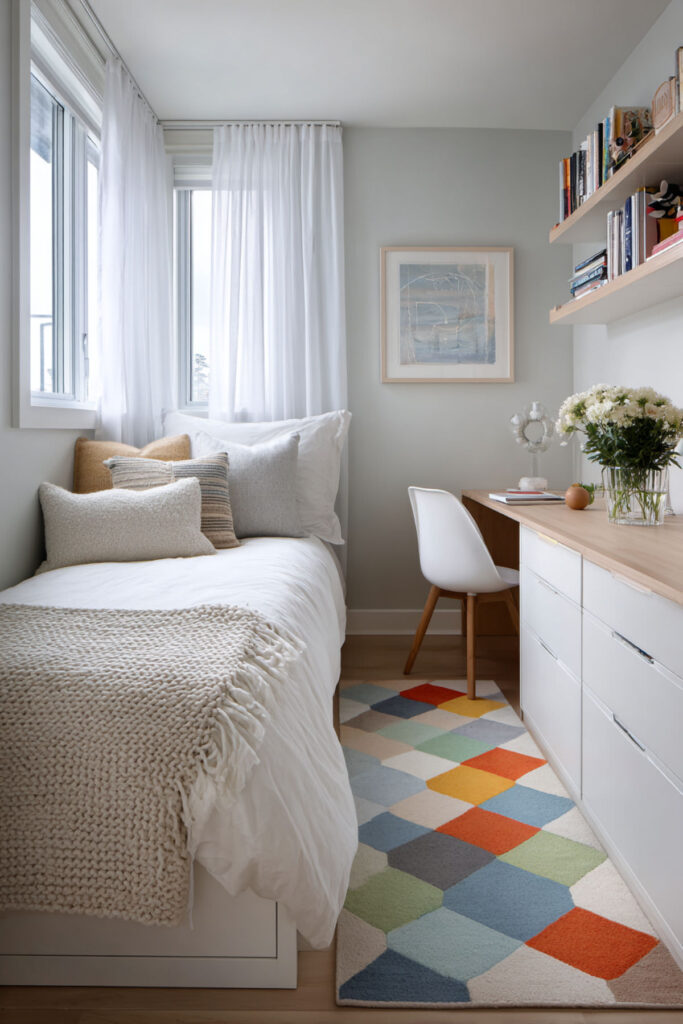
Strategic furniture arrangement can make small bedrooms feel twice as large. Consider moving the bed into a corner to free floor space, mounting the desk on the wall, and using the closet for both clothes and school supplies. Every piece hugs the walls, leaving the center open. This arrangement creates breathing room in tight spaces.
Choose furniture with legs to maintain visual flow. I recommend this perimeter approach for maximum flexibility. The open center allows for different activities throughout the day. Ever since rearranging to the edges, the room can feel spacious enough for both work and rest.
Modern Bedroom Design Tips Tech Integration

Today’s homework often requires technology, so modern bedroom design must accommodate devices wisely. Create a charging station at the desk that locks at bedtime, installed blue light filters on all screens, and positioned monitors away from the bed’s sightline. This tech integration supports homework without sabotaging sleep. Cable management keeps the space calm and organized. Use a desk with built-in USB ports to simplify setup. This approach acknowledges digital reality while maintaining boundaries.
I really recommend this balanced tech strategy. The physical separation of devices from sleep space is crucial. Since implementing tech zones, bedtime screen battles have virtually disappeared. Would you create tech boundaries through layout? It’s easier than constant rule enforcement.
L Shaped Bedroom Layout Ideas Corner Magic

L-shaped layouts maximize corner spaces brilliantly for dual-purpose bedrooms. I recommend placing the bed along one wall and wrapping the desk around the corner, creating a natural separation between spaces. This configuration provides maximum desk surface without dominating the room. The corner placement feels cozy for both activities. Add a corner desk with drawers or a space-saving loft bed with built-in desk to enhance the layout. This layout works particularly well in square rooms.
I strongly recommend this approach for kids who need substantial workspace. The L-shape creates defined areas without requiring a large room. Since you adopted this layout, homework has its own “office” feel while sleep space remains relaxing.
Furniture Placement for Homework Success

Strategic furniture placement can actually improve homework performance. You can position the desk perpendicular to the window for optimal natural light without glare. The chair faces away from the bed to minimize distraction. Bookshelves within arm’s reach reduce getting-up excuses. These placement principles create an environment that supports focus. Consider your child’s dominant hand when positioning desk elements.
I recommend this detailed approach to desk area planning. The right placement reduces homework resistance. Ever since optimizing furniture placement, homework time can be shortened while quality can be improved. Sometimes success is just about the right setup.
Maximize Small Space with Vertical Solutions
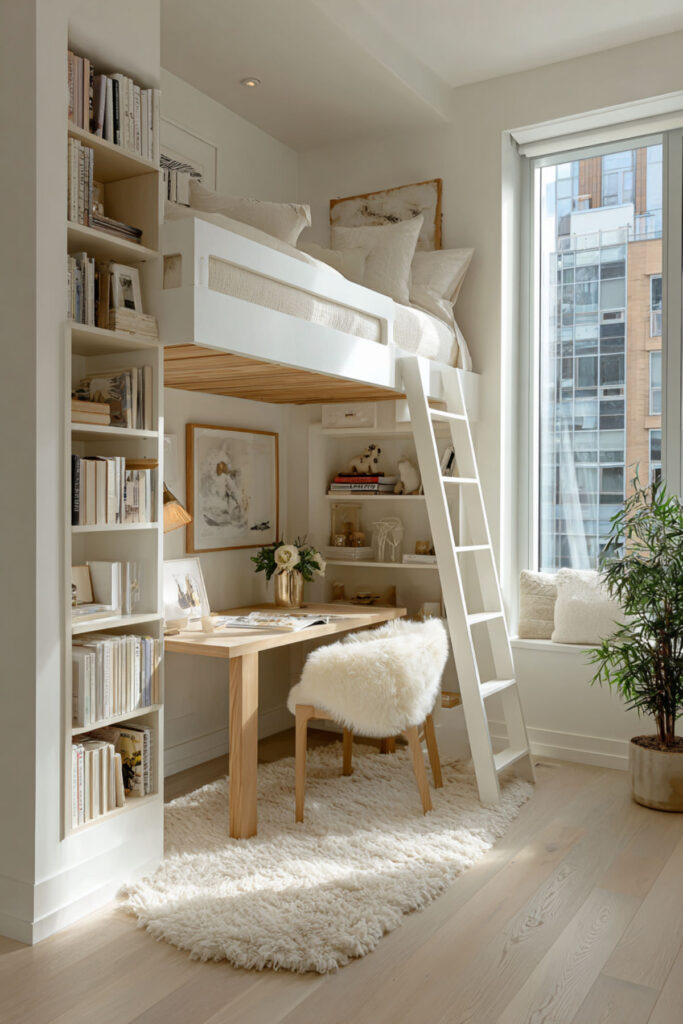
Going vertical transforms cramped bedrooms into functional dual-purpose spaces. Install floating shelves up to the ceiling for books and supplies, use wall-mounted organizers for school materials, and hang pegboards for frequently-used items. This vertical approach keeps the floor clear for activities. The walls become functional art when organized well. This solution works brilliantly for accumulating school supplies.
I really recommend this approach for maintaining floor space. The vertical storage actually makes items more accessible than deep drawers. Would you sacrifice wall space for floor freedom? The trade-off creates surprising spaciousness.
Rectangle Shaped Bedroom Ideas Long Rooms
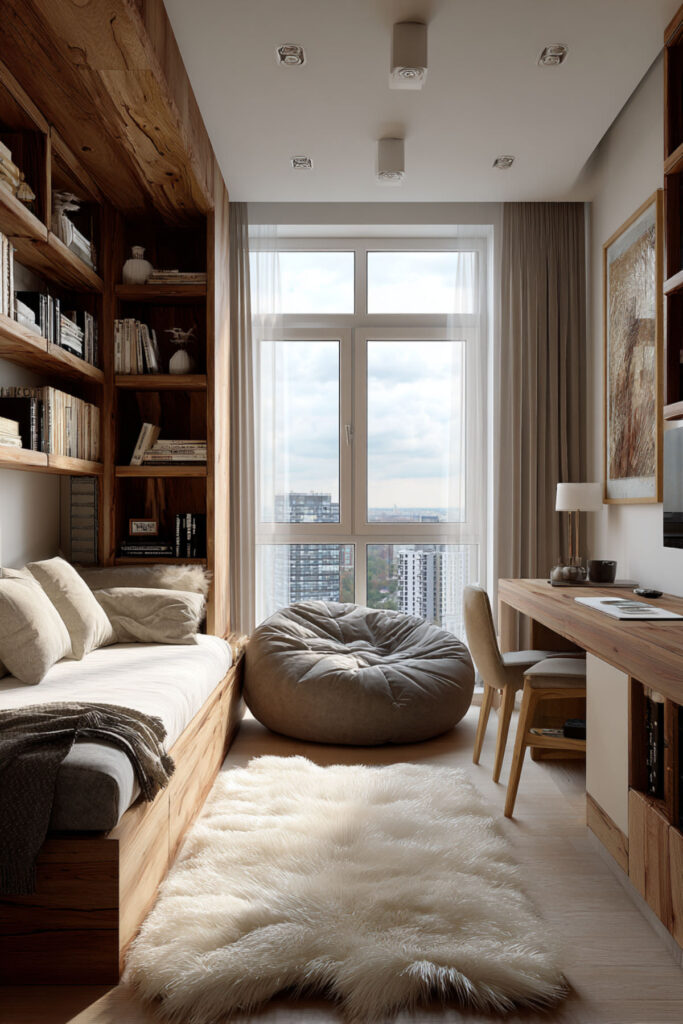
Long, narrow bedrooms present unique opportunities for separation. Place the bed at one end and create a complete study area at the other, with storage and a reading nook in between. This linear layout naturally divides activities. The distance between zones helps mental transitions. Rectangle shaped bedroom ideas often work better than square rooms for dual purposes.
I highly recommend this end-to-end approach for narrow spaces. The separation feels more complete than in square rooms. Since implementing this layout, your son treats each end like a different room entirely. The physical distance supports mental boundaries.
12×12 Bedroom Furniture Layout Balance

A 12×12 bedroom offers perfect proportions for balanced homework and sleep zones. Divide the space diagonally – bed and nightstands in one corner, L-shaped desk setup in the opposite corner. This diagonal division creates two equal triangular zones with clear purposes. The symmetry feels balanced and calm. This size allows for generous work and sleep areas.
I recommend this diagonal approach for square rooms. The angled arrangement adds visual interest while maximizing function. Ever since trying diagonal placement, the room feels larger and more dynamic than traditional parallel arrangements.
Bedroom Rearranging Ideas Layout Experiments
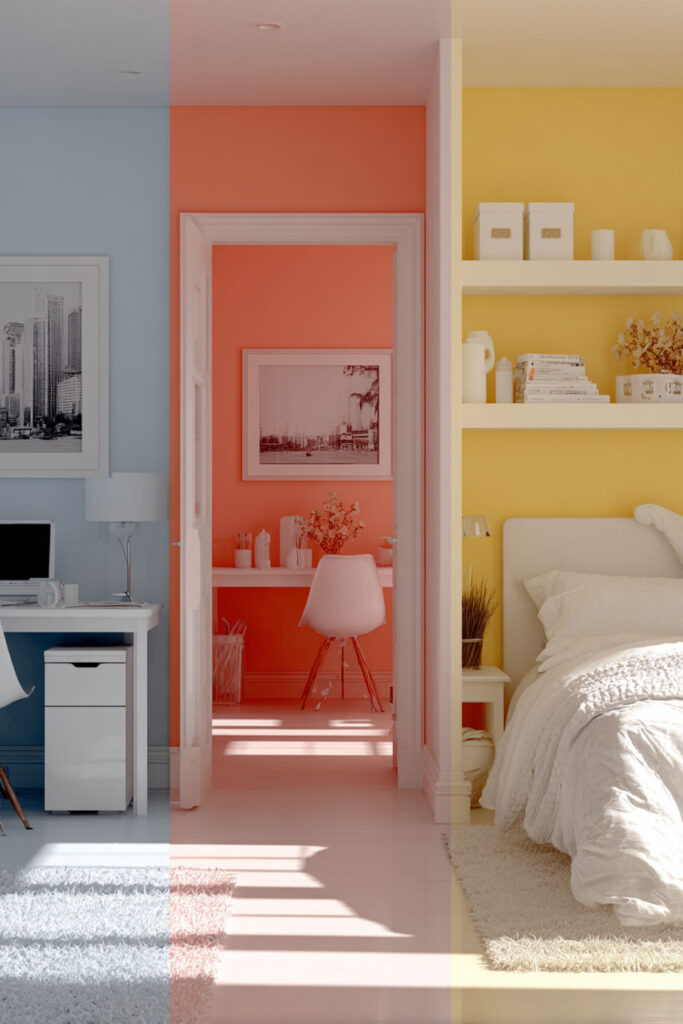
Don’t be afraid to experiment with unexpected layouts. Try five different arrangements before finding our perfect setup – bed in the middle of the room as a divider, creating a study alcove behind it. This unconventional approach solved our zone-separation challenges. Sometimes breaking traditional rules yields the best results. Document each attempt with photos to track what works.
I really recommend this experimental mindset. The process teaches kids that environments can adapt to needs. Since embracing layout flexibility, you can rearrange seasonally based on homework loads and sleep patterns. Would you try unconventional furniture placement?
Bedroom With Sitting Area Layout Transition Zones

Including a sitting area between homework and sleep zones creates crucial transition space. I think adding a comfortable chair with a small side table sounds nice – perfect for evening reading or morning preparation. This buffer zone helps minds shift from work to rest mode. The sitting area serves multiple purposes throughout the day. This addition transforms bedrooms from purely functional to truly livable.
I strongly recommend this transition zone concept. The chair becomes a favorite spot for calming down after homework stress. Since adding a sitting area, bedtime routines can flow more naturally from active to restful.
Bed and Dresser Placement Layout Efficiency

Strategic bed and dresser placement can support both morning and evening routines. Position the dresser between the desk and bed areas, making it accessible for both homework outfit changes and bedtime preparation. The dresser top serves as additional surface for school projects. This placement creates natural flow through daily activities. Consider drawer accessibility from both zones.
I recommend this central placement for shared functionality. Pair it with a bed with storage drawers for added efficiency. The dresser becomes a bridge between room functions. Ever since optimizing dresser placement, morning routines can run smoother and homework supplies stay organized.
How to Improve Bedroom Layout Testing
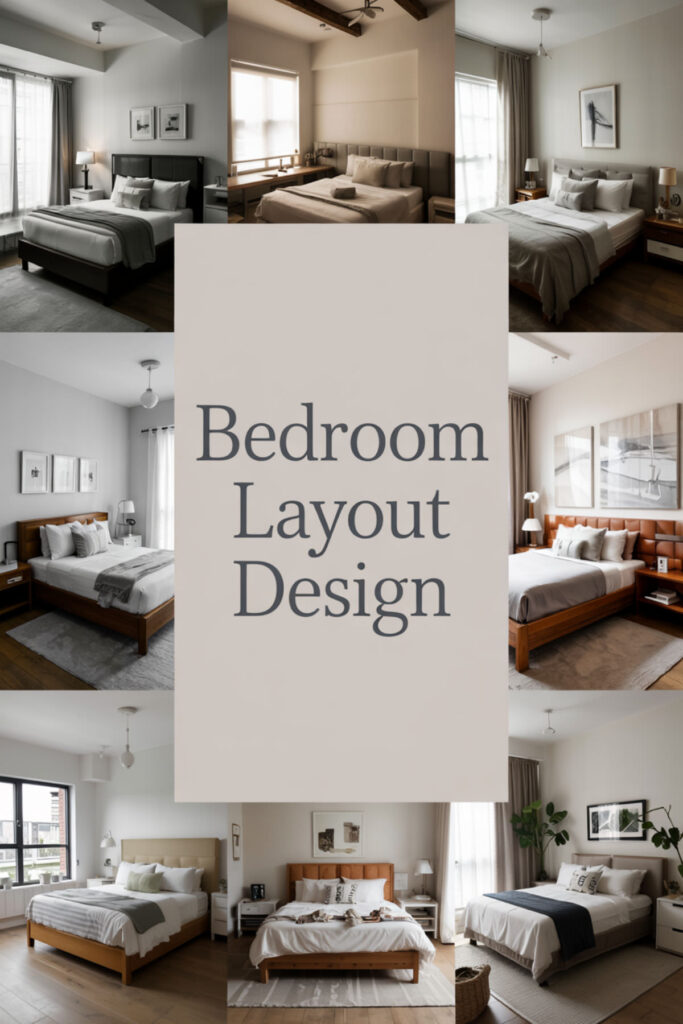
Improving bedroom layout is an ongoing process as kids grow and needs change. Use painter’s tape to map potential furniture placement before moving heavy pieces. Test new layouts for at least a week before judging effectiveness. Small tweaks often yield big improvements. Listen to your child’s feedback about what’s working. This iterative approach finds optimal solutions. I really recommend this scientific method for room design.
Try experimenting with a modular storage bench or a movable bookcase on wheels to easily adapt layouts. The testing process engages kids in problem-solving their own space. Would you involve kids in layout decisions? Their input often reveals unexpected insights.
Creating Your Homework-Dream Balance
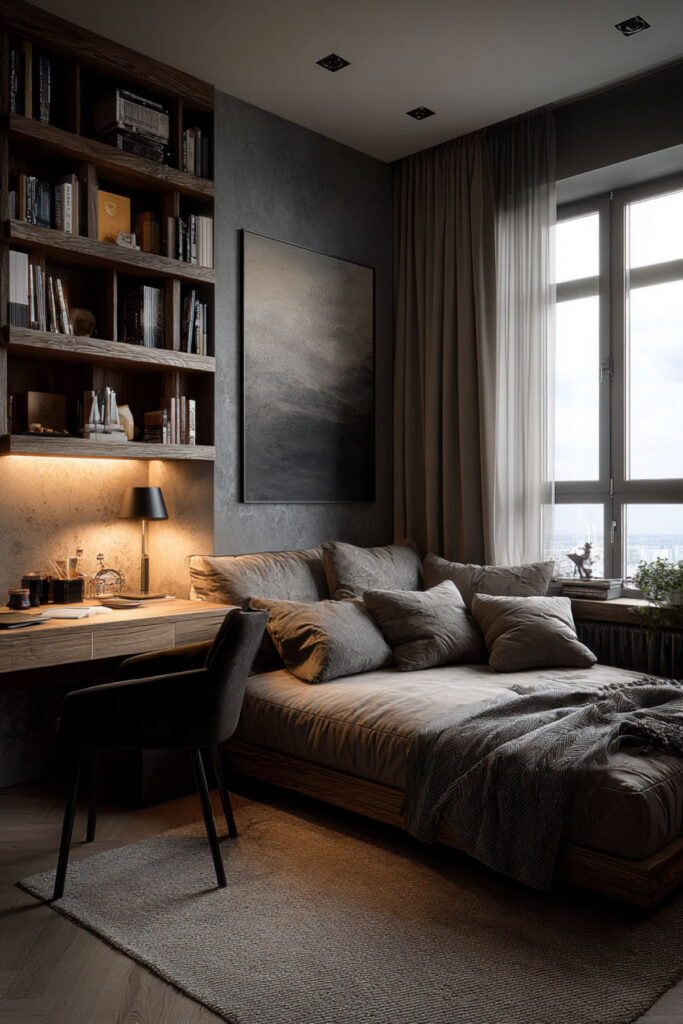
After years of tweaking bedroom layouts for your kids, you might have learned that the perfect design supports both academic success and restful sleep without compromise. The key is respecting both functions equally – homework deserves dedicated space, and sleep requires protected sanctuary. When layouts honor both needs, kids thrive academically while sleeping soundly.
Start by observing your child’s current patterns. Where do they naturally gravitate for homework? How do they transition to bedtime? Build your layout around their natural tendencies while gently guiding better habits through design. Remember, the best layout is one that works for your specific child, not what looks perfect in photos.
Your child’s bedroom should launch them toward success while landing them softly into restorative sleep. Ready to explore more solutions for supporting your student’s success? You’ll enjoy these boho kids’ bedroom design ideas that spark creativity and inspire young minds to dream big.
Browse our complete collection of bedroom designs that balance achievement and rest. Because kids deserve spaces that support all aspects of their growth – academic, physical, and emotional.
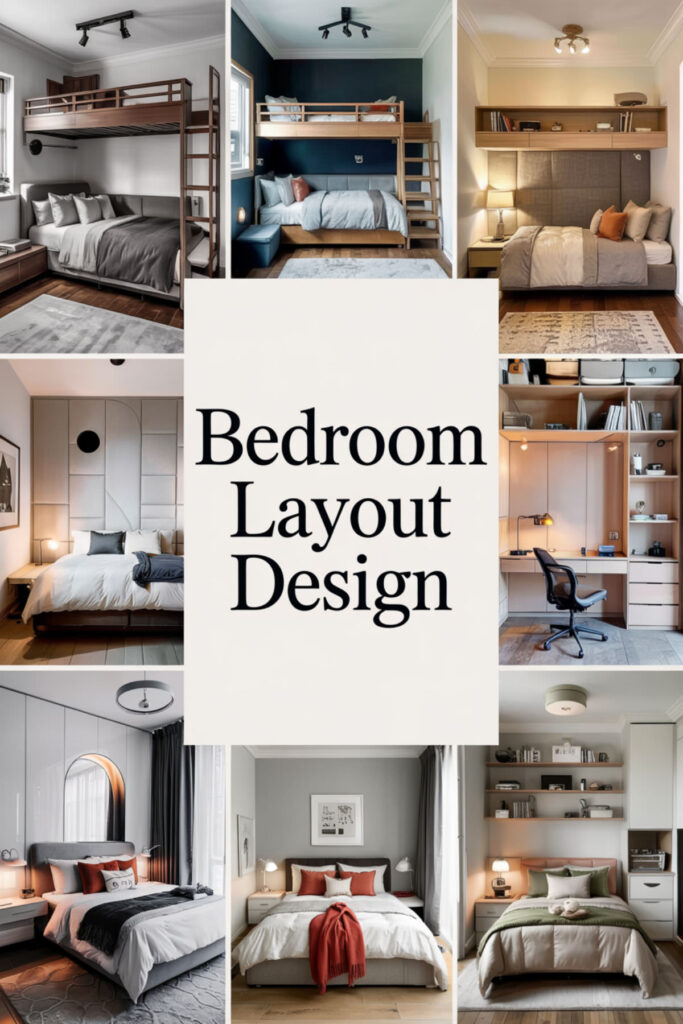
I’ve added bonus ideas below — make sure you save them for future use.


This is just one piece of the puzzle—explore the rest of my site to uncover even more bedroom inspirations.