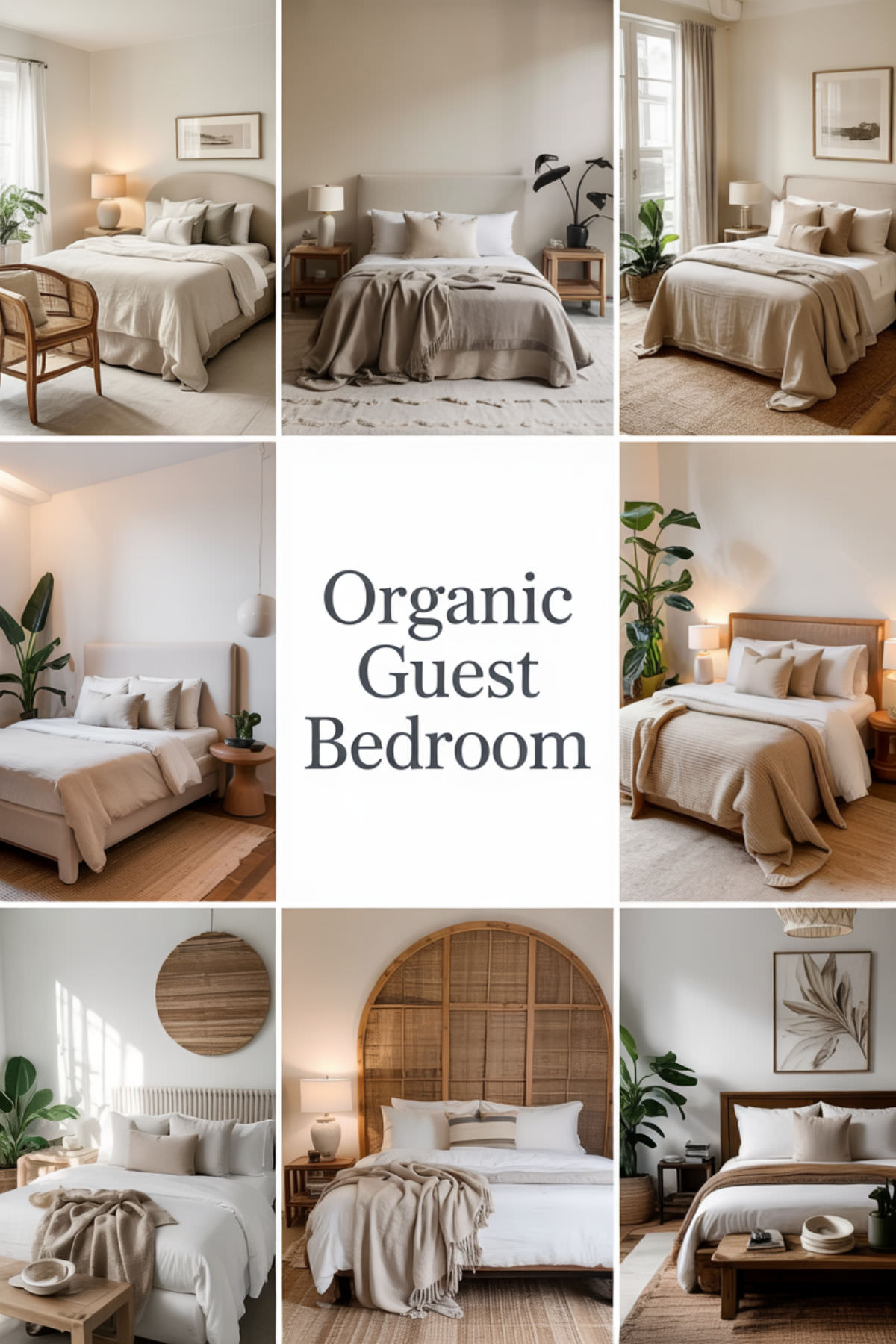
Last week, your friend’s 9-year-old showed you his “command center” – that’s what he calls his bedroom now. This kid went from homework battles to voluntarily doing extra math problems, and the only thing that changed? His room setup. Watching him proudly organize his desk supplies and explain his color-coded system made you realize you’ve been approaching kids’ bedrooms all wrong. They don’t need another place to store toys; they need a space that makes them feel capable and inspired.
If you’re ready to transform your child’s bedroom from chaos central to achievement headquarters, these ideas are game-changers. I’ve gathered some fantastic product recommendations that balance function with that “cool factor” kids crave.
While you’re planning your little scholar’s space, make sure to explore our other guides for creating environments that support your child’s biggest dreams. This isn’t scientific advice — it’s design inspiration, and any claims about color or other effects may not be conclusive.
Room Redesign with Achievement Zones

Start by dividing the room into three clear zones: sleep, study, and play. Use a bookshelf as a room divider between the desk area and bed, creating a physical boundary that signals “work mode.”
I really recommend this type of zoning because kids’ brains respond better to environmental cues than verbal reminders. Position the study zone near natural light and away from toys. Some parents worry about losing play space – do think dedicated zones actually make both work and play more enjoyable?
Clean Simple Bedroom Aesthetic for Focus

Less truly is more when it comes to concentration. Choose furniture with closed storage like a kids art table with storage, keep walls relatively clear except for one inspiration board, and maintain neutral base colors.
⫸ Click Here For Best Selling Sublimation Printers And Products ⫷This type of visual simplicity helps developing minds focus without overstimulation. Would you ever try the “one toy out, one toy away” rule? Do you think it transforms how kids interact with their space?
Wall Color Idea for Academic Success
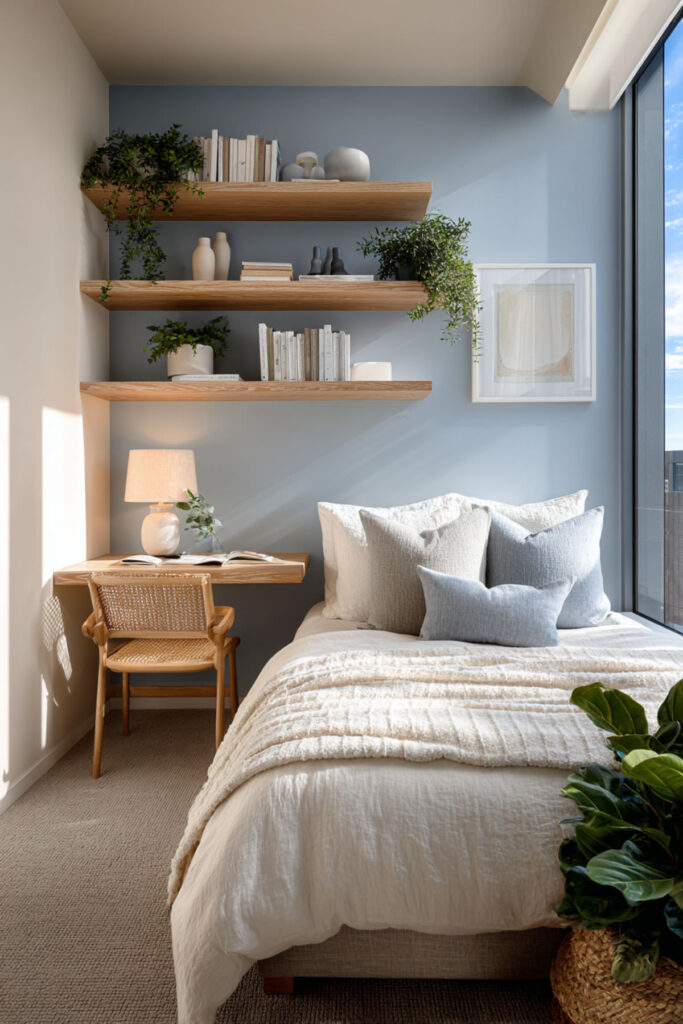
Paint the study wall in soft sage green or light blue – colors proven to enhance concentration and reduce anxiety. Keep other walls neutral to prevent overwhelming young eyes. This approach to color psychology really impacts learning.
I strongly recommend avoiding red or orange near the desk – too stimulating for sustained focus. Let me know what you think – you might be the only parent who researches paint colors like dissertation topics!
Modern Japanese-style Bedroom Design for Kids
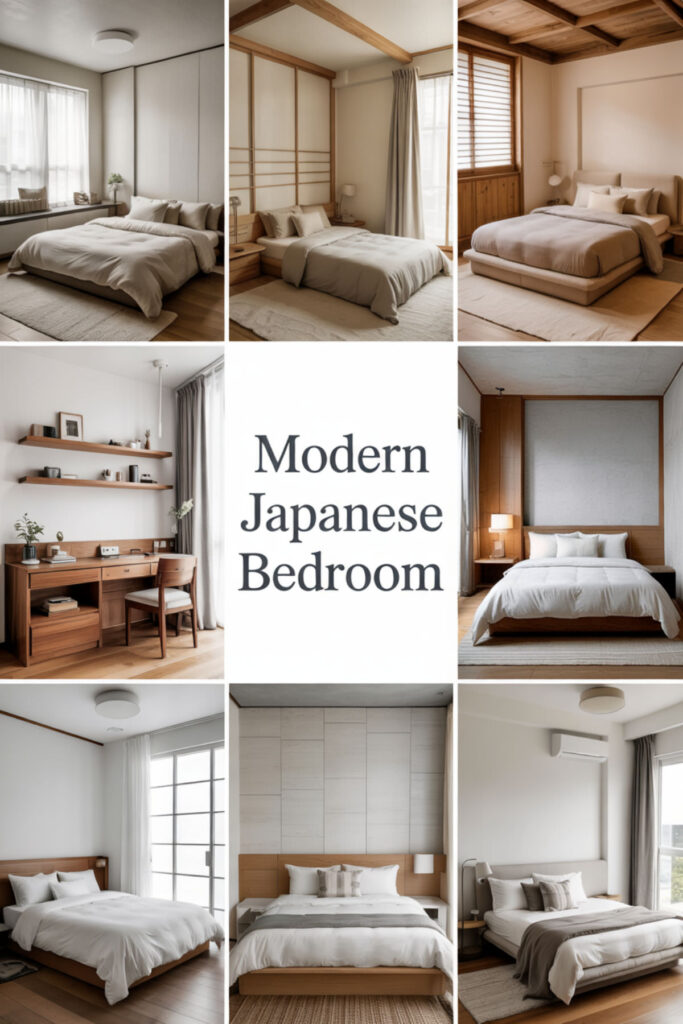
Adapt Japanese minimalism for children: low furniture they can manage independently, floor cushions for reading, everything with a designated home.
This style teaches organization naturally. Ever since implementing these principles, cleanup time has become almost meditative rather than combative. The key is making organization aesthetically pleasing.
Cozy Corners In Bedroom for Reading

Transform that awkward corner into a reading sanctuary with a bean bag, good lighting, and floating bookshelves at kid height. This dedicated reading space makes books feel special, not homework.
I particularly recommend corner setups because they create a sense of enclosed safety that helps kids focus. Add a small basket for current reads to prevent book avalanche.
Bed Bookshelves for Easy Access

Install shelves along the headboard or side of the bed for nighttime reading. Kids who can reach books from bed read more – it’s that simple.
This type of accessible storage encourages independent reading habits. Make sure shelves have lips to prevent midnight book avalanches!
Small Space Study Zones That Work
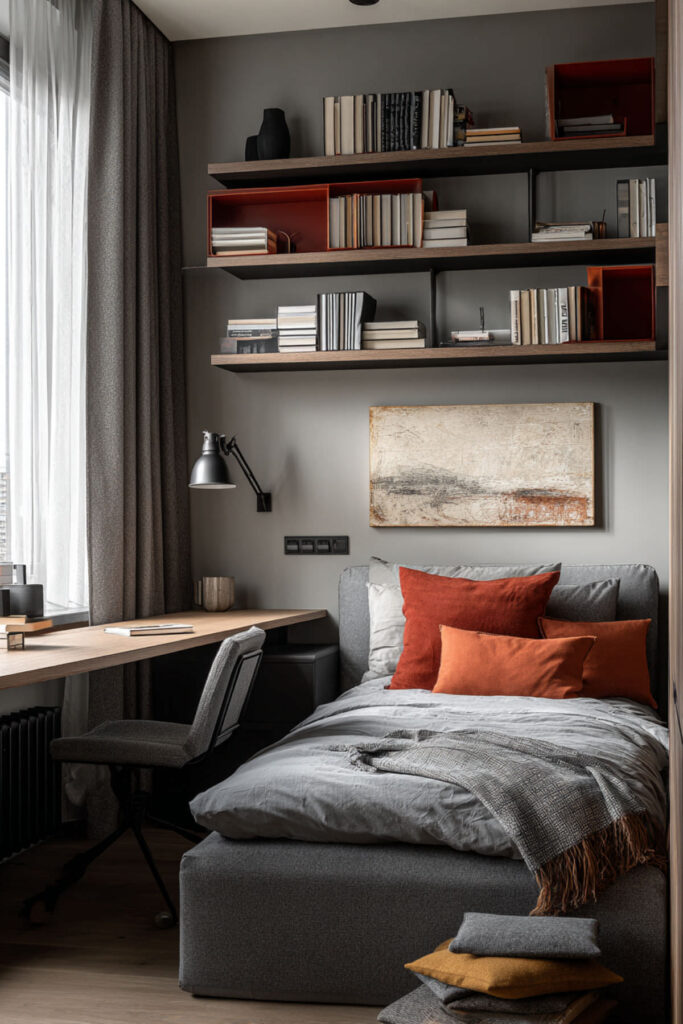
Even in tiny rooms, you can create effective study spaces. Try a wall-mounted fold-down desk, use vertical space for supply storage, or convert a closet into a study nook. This approach proves space limitations don’t limit potential.
Your favorite trick? Over-the-door organizers for school supplies – visible and accessible but not cluttering surfaces.
Aesthetic Rooms Kids Actually Want

Create Pinterest-worthy spaces that happen to be functional. String lights above the desk, use attractive storage boxes, add a small succulent garden they can care for.
This type of appealing design makes kids want to spend time at their desks. Kids are more visual than we might think – beauty motivates them too.
Room Mood Lighting for Different Activities
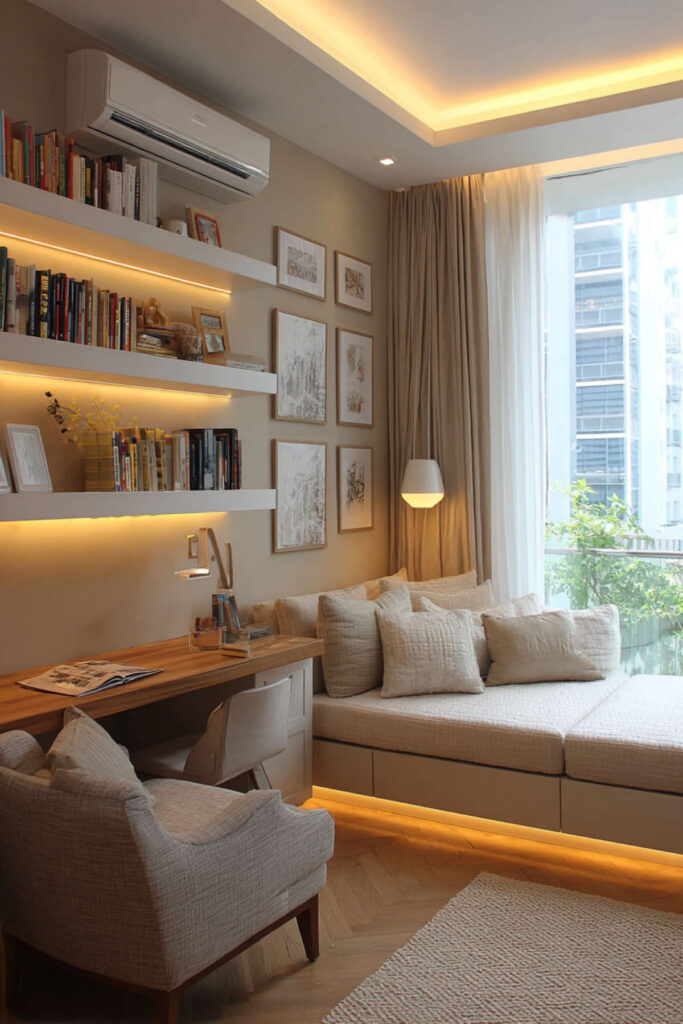
Layer lighting thoughtfully: bright task lighting for homework, softer ambient light for reading, and dimmable options for winding down. This lighting flexibility supports different activities and moods.
I really recommend smart bulbs kids can control – giving them agency over their environment builds responsibility.
Minimalist Bedroom Color for Calm Minds

Stick to a palette of 3-4 colors maximum: white or cream base, one soft accent color, natural wood tones, and maybe one pop of their favorite bright color in accessories. This type of color restraint creates visual calm while allowing personality.
Some people think kids need rainbow rooms – others might think thoughtful color use actually helps them appreciate design. Consider this kids wooden chair, it blends perfectly into a minimalist palette while staying kid-sized and cozy.
Scandinavian Wellness for Young Minds
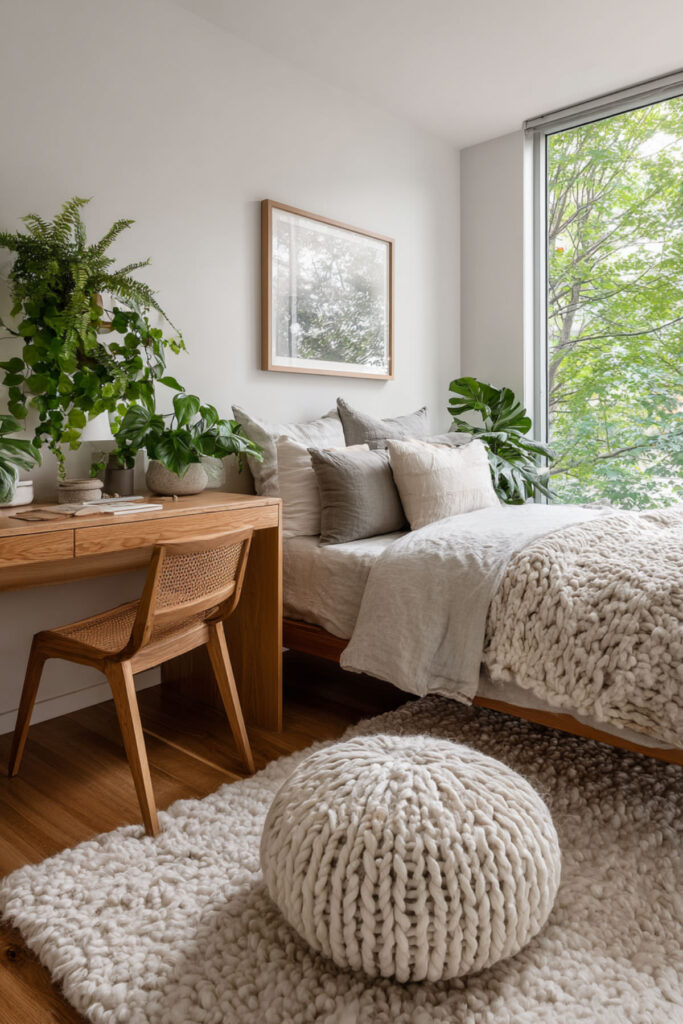
Borrow from Nordic design: cozy textiles, natural materials, and plenty of white space. Add a small plant they’re responsible for – teaches care while improving air quality. This approach to wellness-focused design supports both physical and mental health.
The emphasis on natural light and comfortable spaces creates an environment where learning feels good.
Pinterest Room Decor That’s Educational
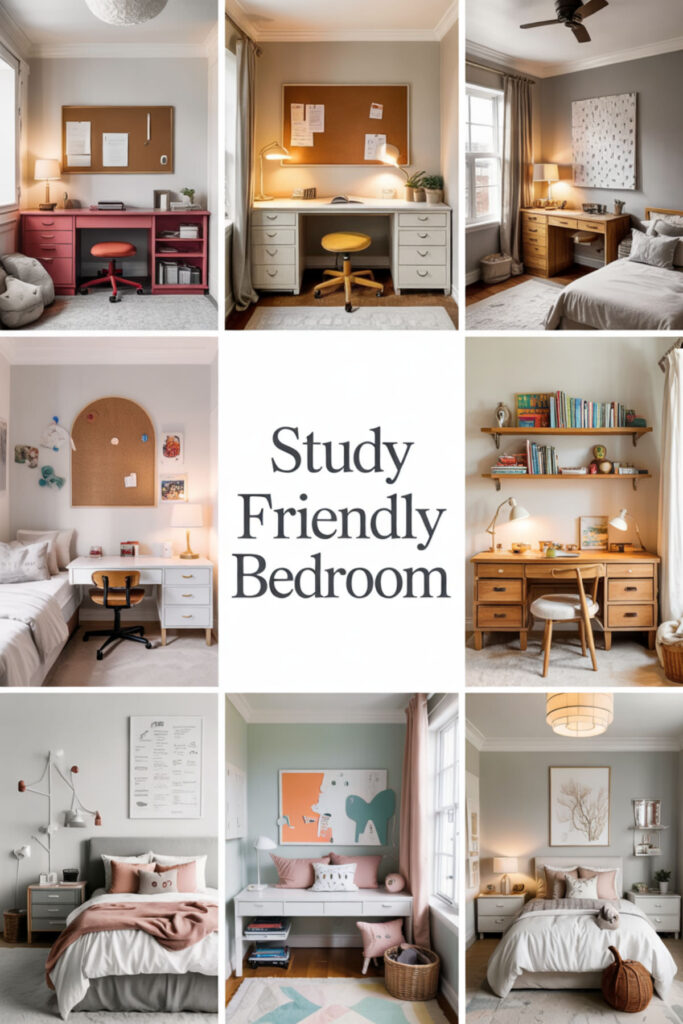
Make decor double as learning tools: world map wallpaper, constellation ceiling stickers, multiplication table in cool typography. This type of functional decoration keeps learning visible without feeling like school.
And here’s the best part… kids don’t even realize they’re studying when they’re staring at their walls!
Creative Bedroom Elements for Inspiration
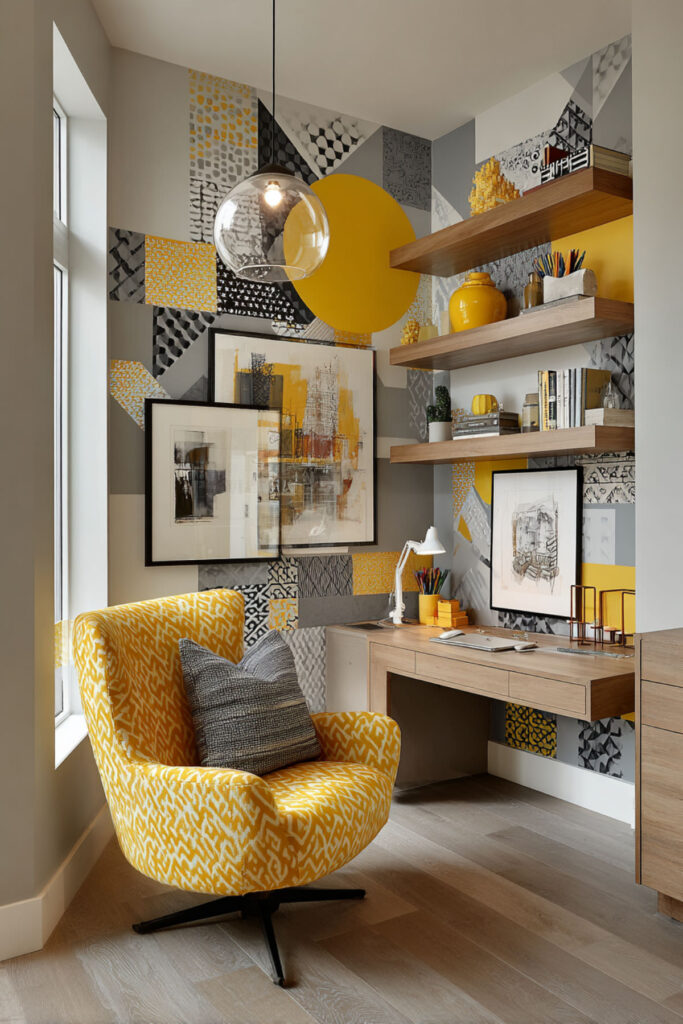
Include one “dream big” element: a vision board, achievement display area, or goal tracker designed like art. This visual reminder of possibilities motivates during tough homework sessions.
I strongly recommend involving kids in creating these elements – ownership increases effectiveness.
Less Space Bedroom Ideas That Maximize
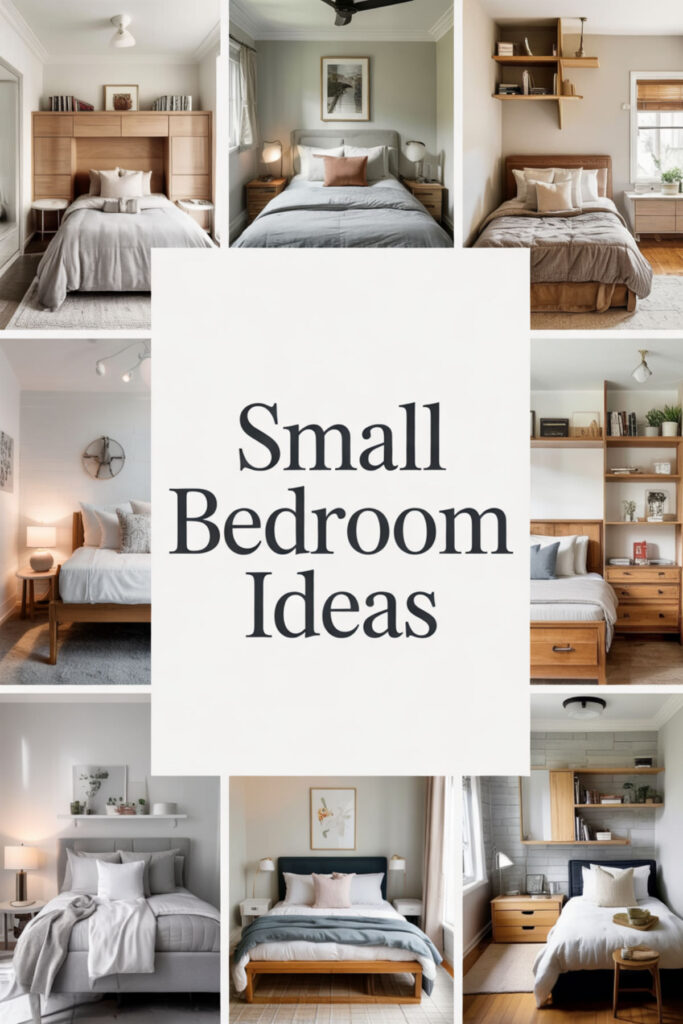
Use every inch wisely: under-bed storage for out-of-season clothes, wall-mounted desk accessories, hanging organizers inside closet doors.
This type of space maximization keeps the room feeling open while storing everything needed. Rotate toys and books seasonally to prevent overwhelm.
Modern Bedroom Plants for Better Learning

Add low-maintenance plants that improve air quality and teach responsibility: pothos, snake plants, or succulents. Position them where kids can easily water them.
This connection to nature reduces stress and improves focus. Some parents worry about mess – I think the benefits far outweigh occasional soil spills.
Cheap Bedroom Makeover Small Room

Transform without breaking budgets: removable wallpaper for an accent wall, DIY desk organizers from recycled containers, thrifted frames for displaying achievements.
This approach shows kids that creativity matters more than cost. Paint is your best friend – it’s the cheapest way to completely change a room’s energy.
Stuff To Put In The Corner Of Your Room
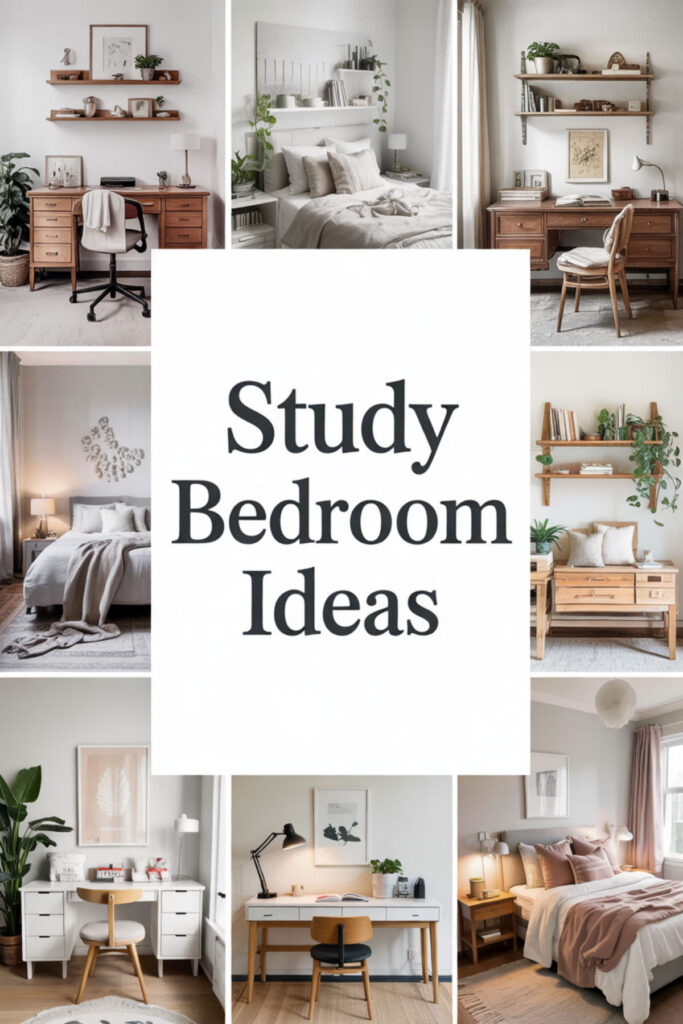
End with smart corner solutions: a homework supply cart on wheels, a standing globe for quick geography references, or a small whiteboard for daily goals. These functional corner additions maximize every square foot. Because in kids’ rooms, every corner is an opportunity for either chaos or brilliance – we’re choosing brilliance. Make sure to see these smart, stylish room ideas that boost study motivation for teens—even in the smallest of spaces.
Ready to create a bedroom that brings out your child’s best? These study-boosting setups prove that the right environment can transform not just grades, but confidence and independence too. Start with one zone – maybe just reorganizing the desk area – and watch how your child responds. Save these ideas and remember: investing in their space is investing in their future.
Looking for more ways to support your ambitious learner? Browse our other guides for creating homes that nurture success. Because when kids have bedrooms that make them feel capable and inspired, homework battles become homework victories – and that’s a win for everyone.
I’ve placed some extra touches below — save them so you don’t forget.

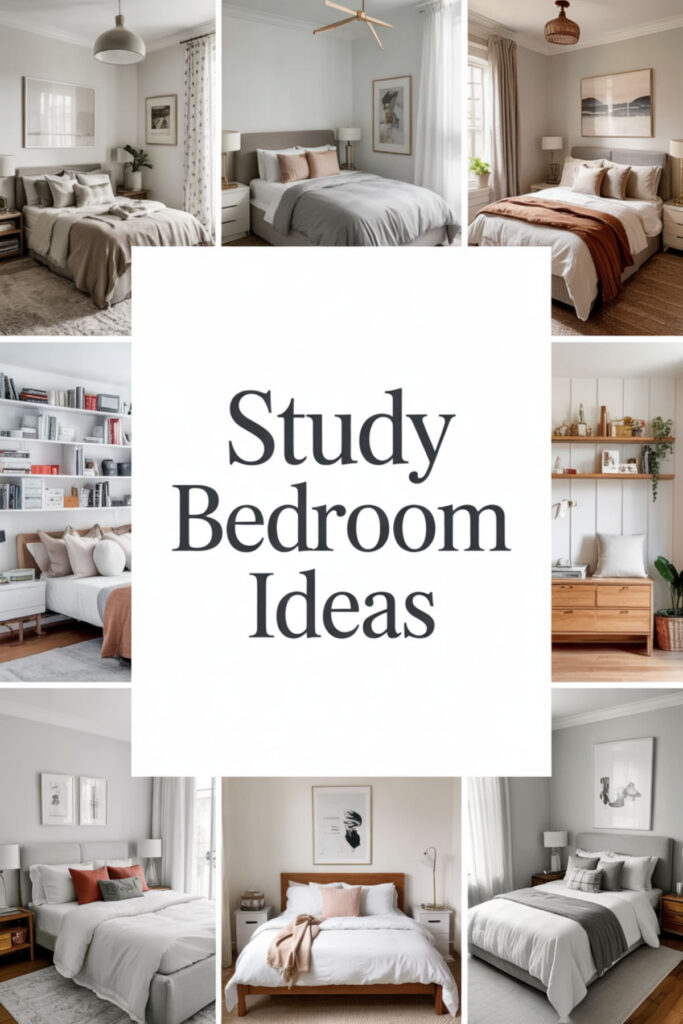

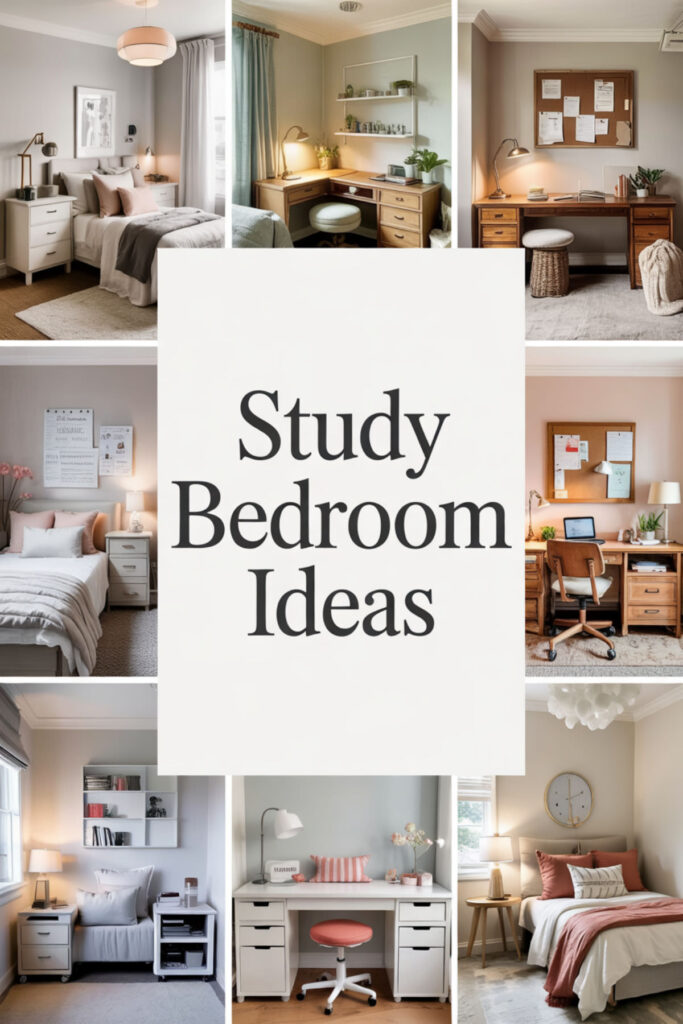
I hope these ideas brought you joy—keep scrolling through my website for more styles.