Remember that first night home when you turned on the bedroom light for a diaper change and your newborn screamed like you’d personally offended them? After accidentally creating what felt like a busy market at 3 AM with your regular lights, you might have realized your bedroom lighting was working against you, not for you. Three babies later, and you learn that the right lighting can be the difference between a peaceful nighttime routine and hours of trying to resettle an overstimulated baby.
I’ve gathered 18 soft bedroom lighting ideas specifically designed to support your newborn’s developing circadian rhythm while keeping you functional during those endless night wakings. These aren’t just pretty fixtures – they’re strategic lighting solutions that actually help babies (and exhausted parents) navigate nighttime more peacefully.
Throughout these ideas, you’ll find product recommendations that saved my sanity during those fourth trimester months. Save these pins now, because when you’re shopping for night lights during a 2 AM feeding session, you’ll want this guidance at your fingertips. After setting up your perfect lighting system, explore our other newborn sleep solutions – because every parent deserves tools that actually work. This isn’t meant as scientific advice — it’s bedroom styling inspiration, and while colors or other choices may feel soothing, science doesn’t always confirm it.
Soft Bedroom Lighting Basics for Newborn Sleep
Understanding how light affects your newborn’s developing sleep patterns changed everything for me. Babies don’t produce melatonin until around 3 months, so we need to help signal bedtime through environmental cues. Soft bedroom lighting should mimic sunset, warm, dim, and gradually darkening. Think about replacing all your bedroom bulbs with 2200K amber-toned ones, and the difference was immediate. No more wide-eyed baby after night feedings.
I really recommend this type of warm LED bulb specifically designed for nurseries. They provide enough light for safety without triggering alertness. To support this, pair your lighting with a nursery rocking chair and a low-profile wooden nightstand, both in soft finishes that don’t reflect harsh light.
Warm Lighting Bedroom for Peaceful Nights
The color temperature of your lighting literally affects how quickly baby (and you) can fall back asleep. Cool white lights signal “daytime” to developing brains, while warm amber tones maintain that drowsy state. You might have learned this after weeks of wondering why my daughter was ready to party after every night feeding. Think about using exclusively warm-toned bulbs in any fixture baby might see at night.
I strongly recommend this approach throughout your bedroom and any path to the nursery. Position warm lights strategically – one by the changing area, one by your bedside, one in the hallway. This creates a cocoon of calming light that preserves everyone’s sleepiness. I’ve found that pairing a soft-close dresser with an overhead wall sconce helps streamline late-night changes without overstimulating baby. Would you believe the right bulb color could cut your resettle time in half?
Night Lamp Bedroom Wall Solutions
Wall-mounted night lights are game-changers for newborn care. They provide just enough illumination for diaper changes and feeding without flooding the room with light. Install motion-activated ones along your path to the bathroom and near the changing table. The key is choosing lights with red or amber LEDs – these wavelengths don’t suppress melatonin production.
I really recommend this type of plug-in wall night light with adjustable brightness. Position them below eye level to avoid direct glare when you’re holding baby. This setup reminds me of those fancy birthing suites where everything is designed for calm. Since adding these, you can navigate confidently without waking your partner or overstimulating the baby.
Bedroom Ambient Lighting for Feeding Sessions

Creating the right ambient lighting for those marathon feeding sessions requires balance. You need enough light to ensure proper latch and monitor baby, but not so much that anyone fully wakes up. I think that indirect lighting might work best – bouncing soft light off walls rather than shining it directly.
Use a small lamp with a warm bulb placed behind your nursing chair, or install LED strips under furniture for gentle uplighting. I highly recommend this type of touch-control lamp that you can tap to adjust brightness with one hand while holding baby. The ambient glow keeps you oriented without signaling “morning time” to baby’s brain.
Smart Switches for Customized Routines
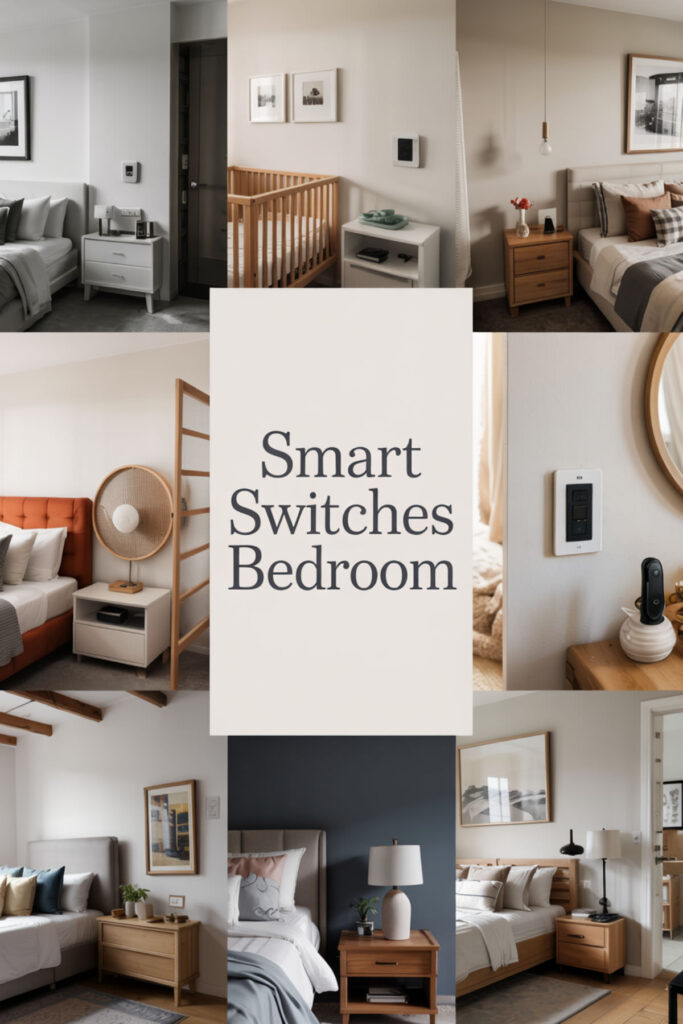
Smart lighting technology isn’t just convenient – it’s sanity-saving for new parents. How about programming your bedroom lights to gradually dim starting at 7 PM, creating an automatic wind-down routine. Middle-of-the-night wake-ups trigger lights at just 10% brightness. The best part? Everything’s controlled from your phone, so no fumbling for switches while holding a crying baby.
I strongly recommend this type of smart dimmer switch that works with existing fixtures. Create different scenes: “bedtime routine” (warm and gradually dimming), “night feeding” (minimal amber light), “morning wake-up” (slowly brightening). This technology means one less thing to think about when you’re operating on no sleep.
Bedroom Lighting Ideas Ceiling for Overall Glow
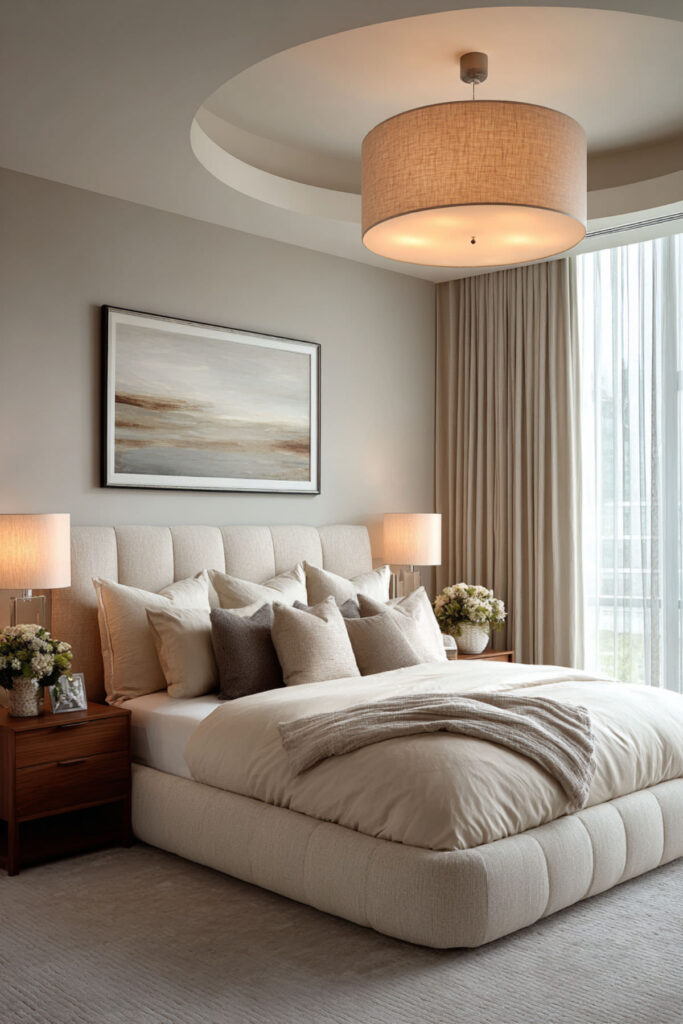
Ceiling lighting in a baby-friendly bedroom needs special consideration. Harsh overhead lights are the enemy of peaceful nights. Think about replacing your bedroom ceiling fan light with a flush mount fixture that has both white and amber LED options. During evening routines, you use only the amber setting on its lowest level. This option works really well for maintaining general visibility without creating stark shadows that can startle newborns.
I recommend this minimalist LED flush mount ceiling light with remote control dimming. The soft, diffused light washes the room in a gentle glow perfect for bedtime stories and quiet bonding. Ever since making this switch, your evening routine can feel more like a spa than a bright doctor’s office.
Adjustable Lighting for Growing Needs

Your lighting needs will change dramatically as the baby grows, so adjustability is key. Think about investing in fixtures with multiple brightness settings and moveable elements. Swing-arm wall sconces by the bed adjust for reading during pregnancy, night feedings with newborn, and eventually story time with toddler. Choose lights with smooth dimming capability rather than preset levels.
I really recommend this type of adjustable wall-mounted light with infinite dimming options. The flexibility means you’re not constantly buying new fixtures as your needs evolve. It can be said that an adjustable lighting setup looked like a “Swiss army knife for new moms” – exactly the multi-functional approach you need.
Soft Lighting Bedroom with Blackout Solutions
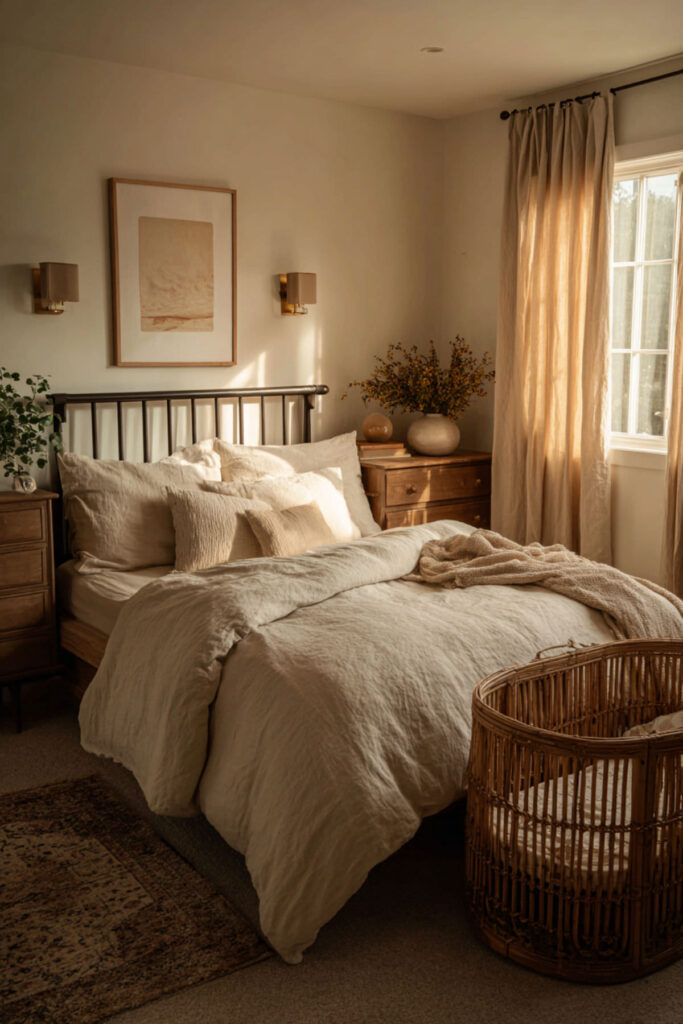
Balancing soft lighting with proper darkness is crucial for newborn sleep. Layer blackout curtains with sheer panels, using the sheers during evening routines for filtered natural light, then closing blackouts for sleep. Strategic placement of soft lights ensures you can navigate without opening curtains. Install dim rope lighting along the baseboard for a subtle glow that doesn’t penetrate closed eyelids.
I highly recommend this combination approach – complete darkness for sleep periods with accessible soft lighting for care tasks. This setup reminds me of those high-end hotels where they’ve perfected the art of darkness. The contrast between pitch black sleep time and gentle care lighting helps establish clear day/night differences.
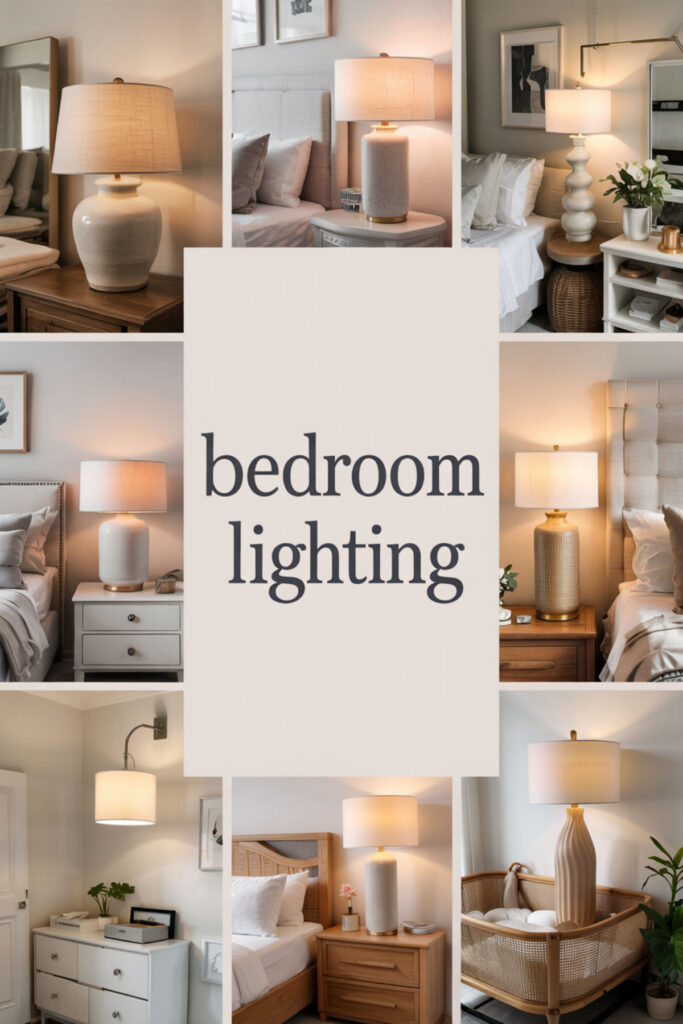
Bedroom Table Lamps Bedside Lighting Options

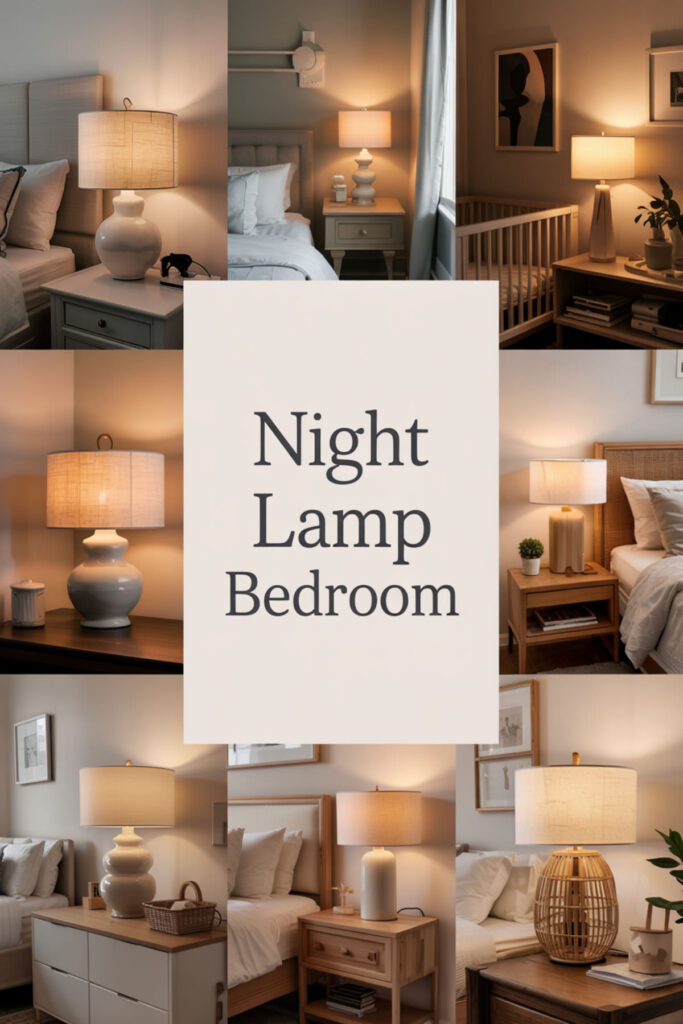
The right bedside lamp can make night feedings so much easier. I think you should look for specific features: touch controls (no fumbling for switches), warm-toned bulbs, and stable bases that won’t tip when you’re groping in the dark. Place lamps on both sides of the bed if you have a partner – everyone needs easy light access.
I recommend this type of ceramic base lamp with fabric shade that diffuses light softly. The height matters too – position the bulb below eye level when you’re lying down to avoid glare. These simple additions mean you can check on baby or grab supplies without full room illumination.
Indirect Lighting Bedroom Techniques
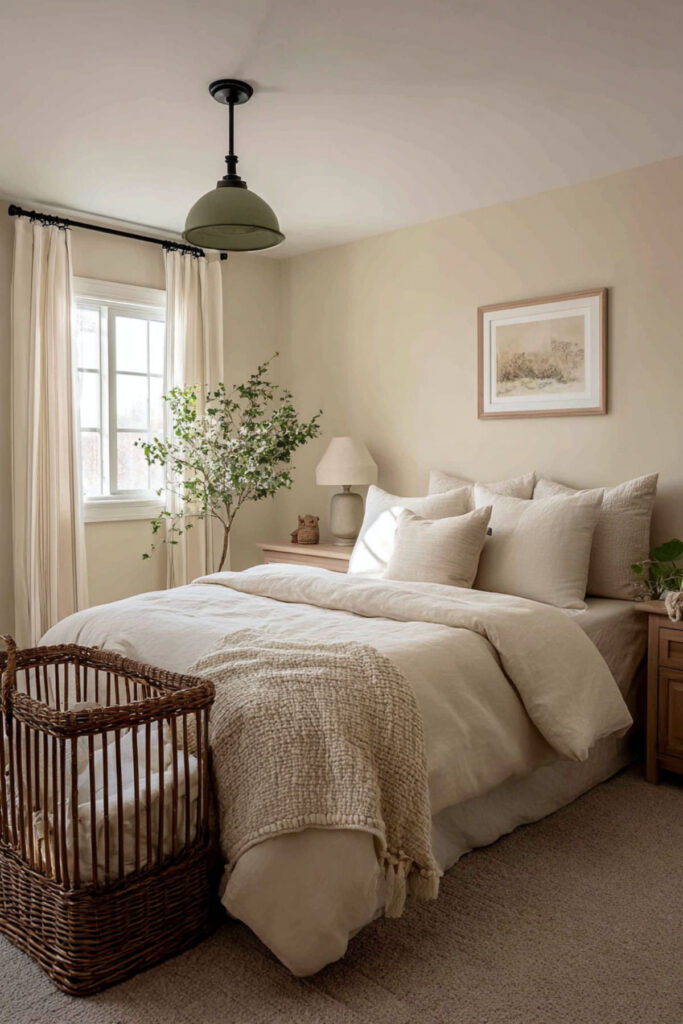
Indirect lighting creates the perfect newborn-friendly environment by eliminating harsh shadows and glare. You can use LED strips behind the headboard, under the crib, and along shelving to create pools of gentle light. The key is positioning lights to bounce off walls and ceilings rather than shining directly into anyone’s eyes. This technique provides adequate illumination while maintaining that drowsy atmosphere.
I really recommend this approach for creating depth without brightness. Install warm white strips with remote dimmers for ultimate control. Since adding indirect lighting, your bedroom can feel like a cozy cave perfect for promoting sleep. Would you ever try hiding all your light sources? The effect is surprisingly sophisticated.
Pendant Lights Over Nightstands with Dimmers
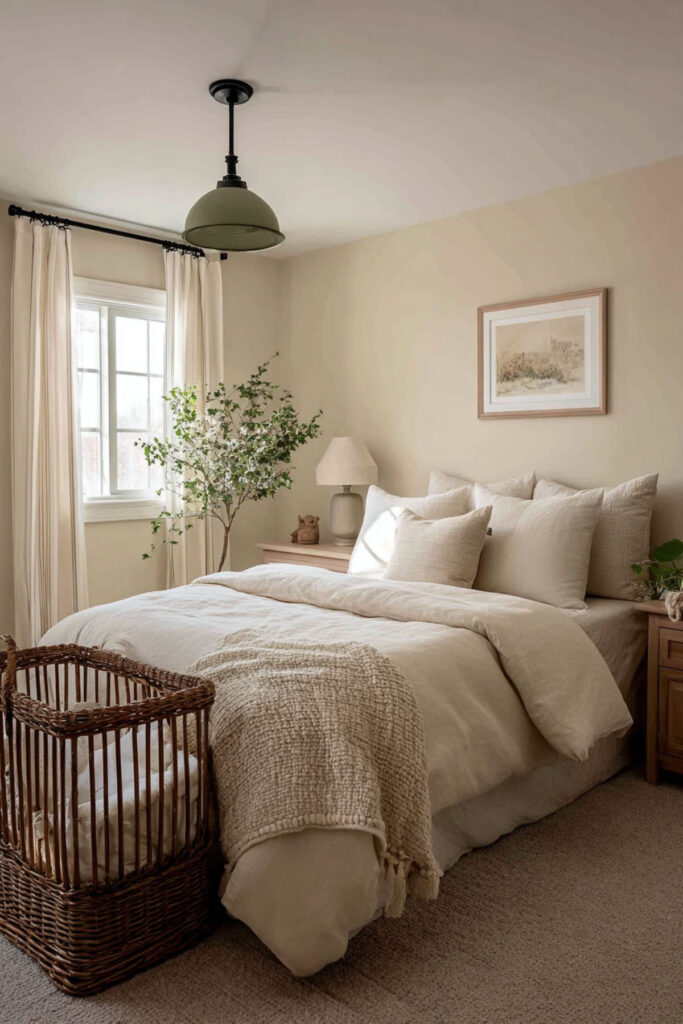
Pendant lights beside the bed aren’t just stylish – they’re practical for new parents. They free up nightstand space for water bottles, burp cloths, and that emergency pacifier stash. Choose pendants with opaque shades that direct light downward and always, always add dimmer switches. Think about installing pendants with inline dimmers so each side of the bed has independent control.
I strongly recommend this type of pendant with warm Edison bulbs for the perfect glow. Hang them 20-24 inches above nightstand height to avoid head bumping during those bleary-eyed night wake-ups. The focused downlight is perfect for quick phone checks without disturbing baby.
Bedroom Wall Sconces Bedside Lighting Design

Wall sconces offer sophisticated lighting solutions that grow with your family. Think about choosing swing-arm sconces that adjust for everything from prenatal reading to midnight diaper changes. The key is selecting fixtures with warm-toned shades and dimming capability. Position them slightly above mattress height and angle them away from baby’s direct line of sight.
I really recommend this type of brass sconce with linen shade – the materials create the perfect warm glow. Hardwired sconces look cleaner than table lamps and can’t be knocked over by flailing arms. This setup makes you feel like you are in a boutique hotel, except with more spit-up and less room service.
Low Lighting Bedroom Environment

Creating a consistently low-lit environment helps regulate baby’s developing circadian rhythm. I recommend maintain dim lighting from sunset onwards, never fully brightening the bedroom during evening hours. This means multiple light sources at low levels rather than one bright light. Layer different fixtures – a dim ceiling light, subtle wall sconces, and hidden LED strips.
I highly recommend this approach for establishing clear sleep cues. Use warm-toned bulbs throughout and keep brightness below 40 lumens in the evening. The consistently low lighting tells baby’s brain that nighttime is approaching. Since implementing this system, bedtime battles could decrease for you and baby.
Cozy Ambient Lighting Bedroom Atmosphere
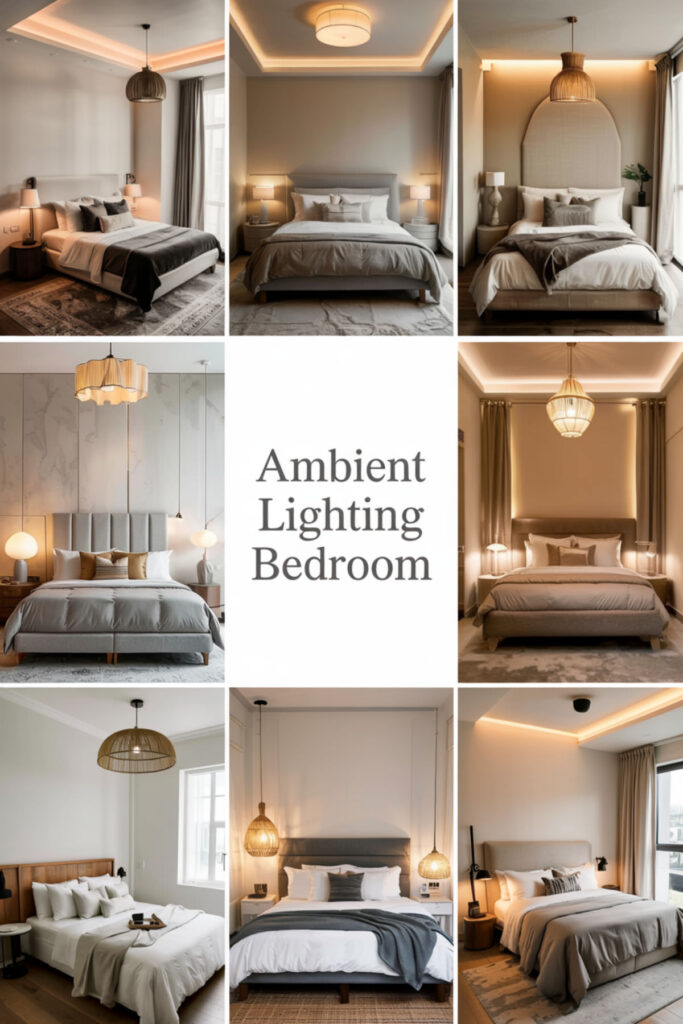
The right ambient lighting transforms necessary night care into bonding moments. You might create cozy atmospheres using salt lamps, which emit the perfect amber glow for nighttime. Add battery-operated candles in glass hurricanes for flicker without fire hazard. The combination provides just enough light while maintaining that peaceful ambiance.
I recommend this type of Himalayan salt lamp with dimmer control. Position ambient lights around the room’s perimeter rather than centrally. This creates a gentle glow that feels intentional rather than institutional. Ever since focusing on ambiance over mere function, those 3 AM wake-ups can feel less jarring and more like quiet stolen moments.
Bedroom Lighting Aesthetic for Calm Routines

Creating a cohesive lighting aesthetic helps signal bedtime routine consistency. Choose fixtures in similar warm metals and natural materials throughout your bedroom. This visual consistency helps baby recognize environmental sleep cues. Avoid mixing cool and warm tones or having drastically different fixture styles.
I really recommend this approach of treating lighting as part of the overall sleep environment design. Choose fixtures that complement your decor while prioritizing function. The aesthetic consistency means everything feels intentional and calming. Your sister might laugh at my “lighting color coordination,” but then her baby doesn’t have a consistent bedtime like your’s does.
Smart Bedroom Lighting Automation
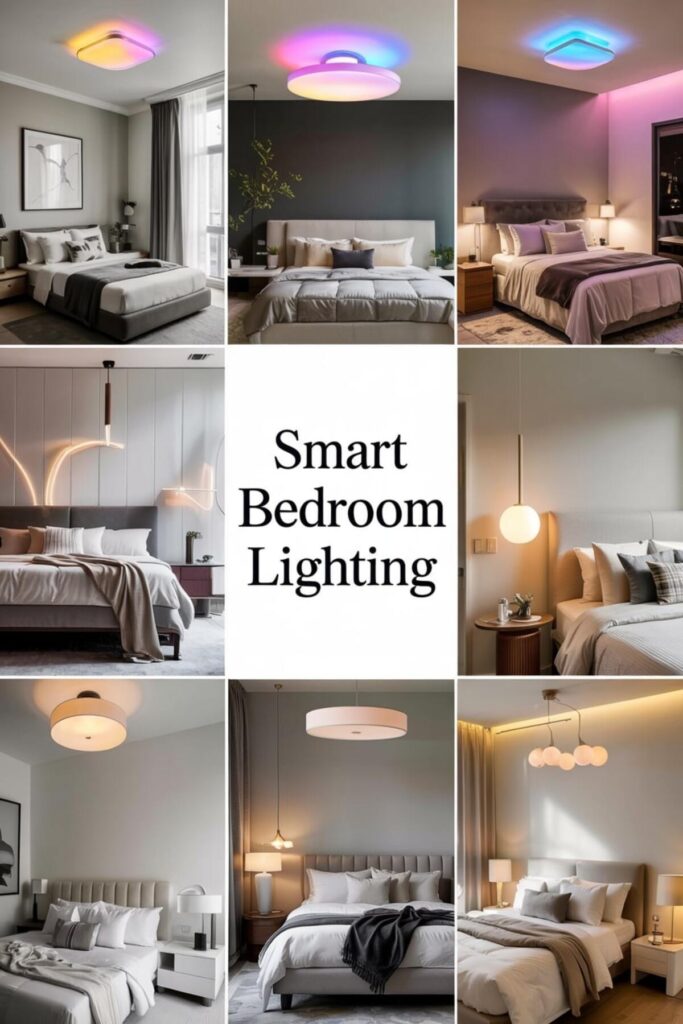
Automating your lighting removes decision fatigue during exhausting newborn days. You can think about programming your lights to dim automatically as bedtime approaches, brighten gradually in the morning, and respond to voice commands during night wake-ups. Set scenes for different activities: “feeding time” (minimal warm light), “diaper change” (slightly brighter but still amber), “morning routine” (gradually increasing brightness).
I strongly recommend this type of smart hub system that coordinates all bedroom lights. The automation means you’re not thinking about lighting when you’re barely thinking at all. Technology serving biology – it’s brilliant for new parent survival.
Bedroom Cozy Lighting for Better Sleep

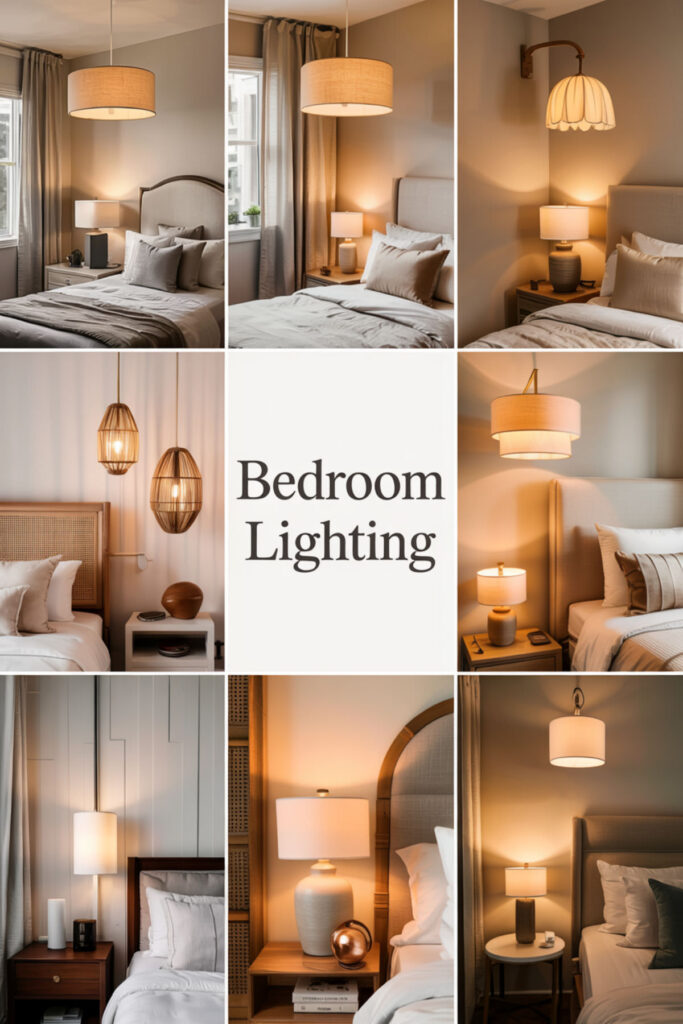
Cozy lighting goes beyond function to create emotional comfort during those intense newborn months. Think about layering textures through lampshades, use warm metals that glow in low light, and choose fixtures that feel nurturing rather than clinical. The goal is lighting that makes you want to snuggle in rather than wake up. Add fabric shades, lanterns, or even string lights (safely out of reach) for that cozy factor.
I recommend this approach for making night wakings feel less disruptive. The cozy atmosphere helps both parent and baby stay calm during necessary care. Since prioritizing coziness alongside function, and your nights feel more manageable.
Small Bedroom Lighting Ideas for Nursery Corners

When baby sleeps in your bedroom, creating distinct lighting zones helps everyone rest better. Designating a “baby corner” with its own lighting system sounds like a great idea – a small lamp for diaper changes, wall night light for checks, and subtle accent lighting for feeding. This creates a mini-nursery within your bedroom without overwhelming the space. Use furniture placement to define zones and position lights accordingly.
I highly recommend this type of compact, multi-functional lighting solution. The zoned approach means you can tend to baby without fully illuminating the entire room. Partners especially appreciate this targeted lighting strategy.
Building Your Perfect Newborn Lighting System

After implementing all these lighting strategies across three babies, here’s what to know: the right lighting setup is an investment in everyone’s sleep and sanity. Start with the basics – warm bulbs, dimmer switches, and strategic placement. Then build your system based on your specific needs and room layout.
Remember, newborn sleep is unpredictable, but your environment doesn’t have to be. Create consistent lighting cues that support natural sleep development. Test different setups during pregnancy if possible – it’s easier to adjust when you’re not holding a crying baby at 2 AM. Don’t miss these calming bedroom color ideas created for first-time moms who want a peaceful space that helps both them and their newborn unwind.
This phase of intense night wakings is temporary, but the lighting system you create now will serve your family for years. Want more ideas for creating the perfect newborn sleep environment? Explore our complete collection of nursery and bedroom solutions. Because when you’re running on no sleep, every small environmental support matters enormously.
Here are a couple of extra ideas you’ll want to save for those quiet moments.


Your perfect bedroom look is just beginning—browse more posts here to discover even more cozy possibilities.