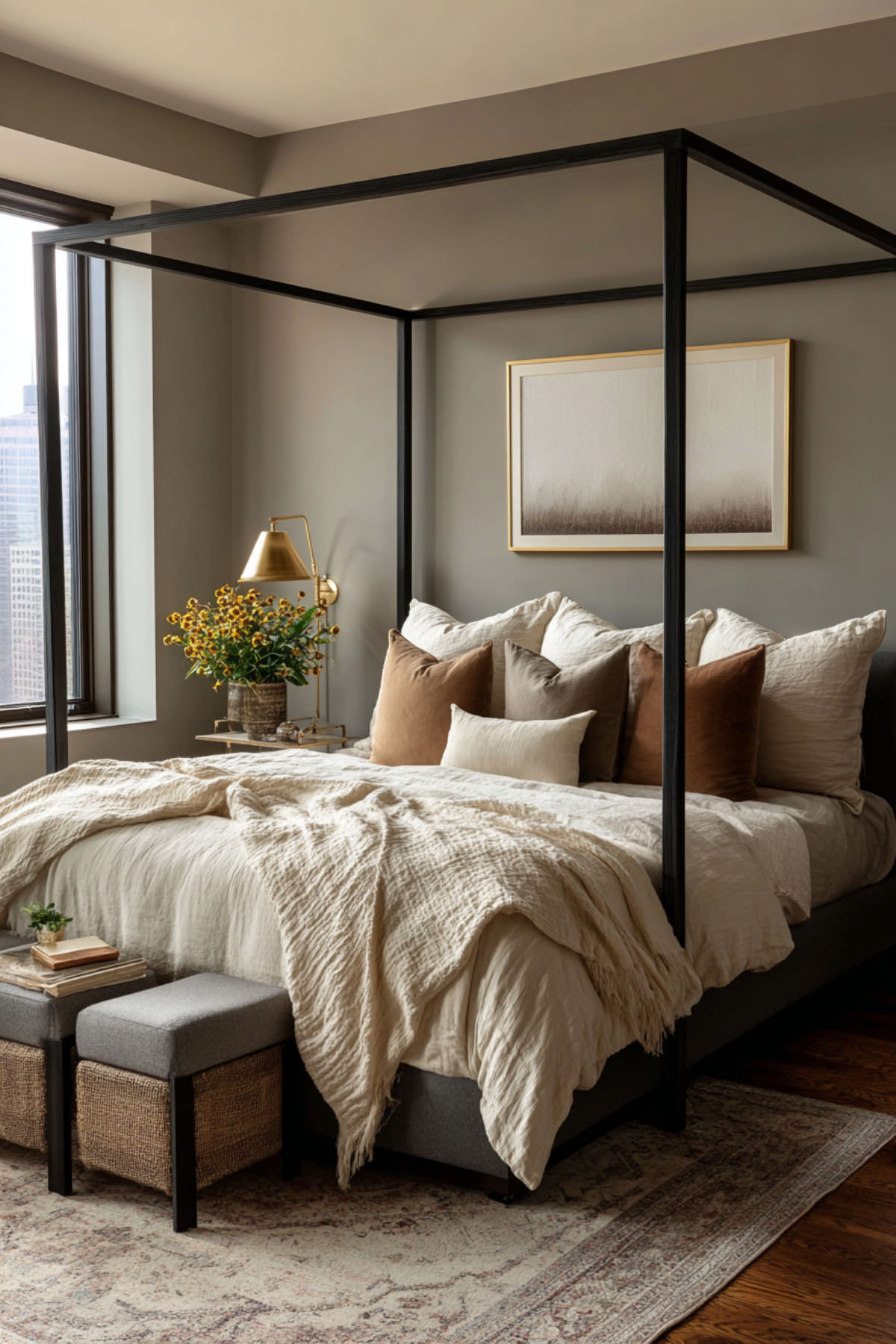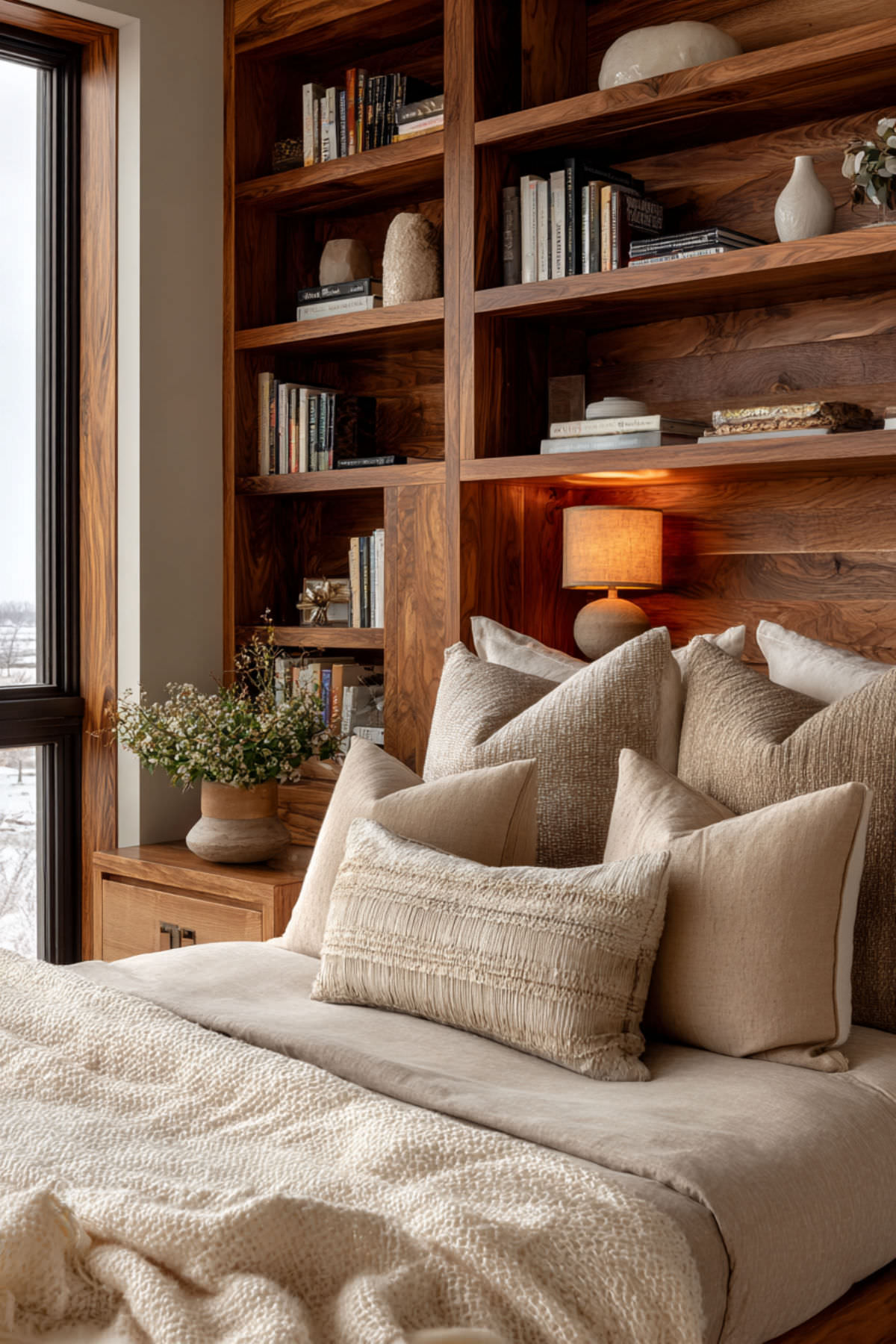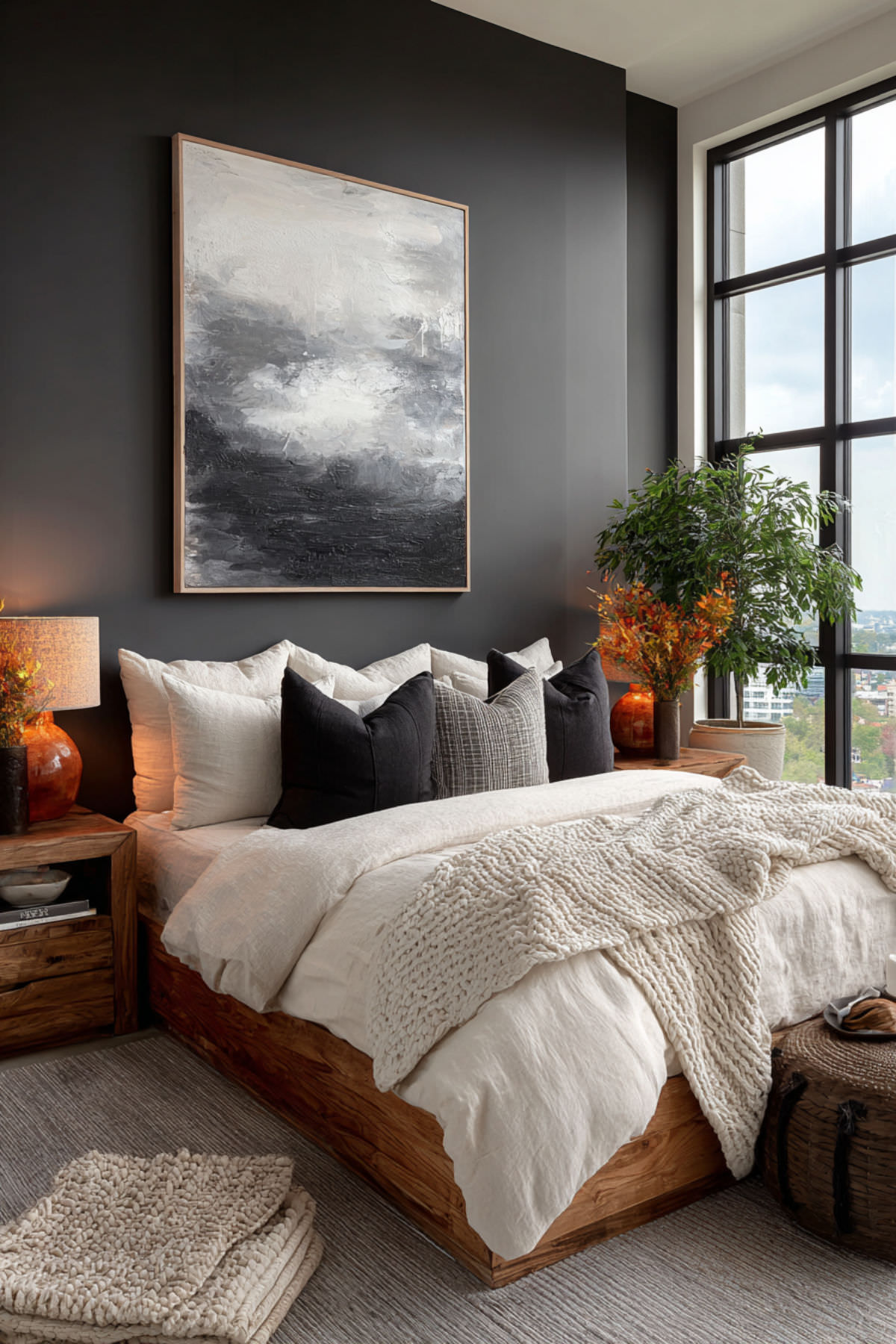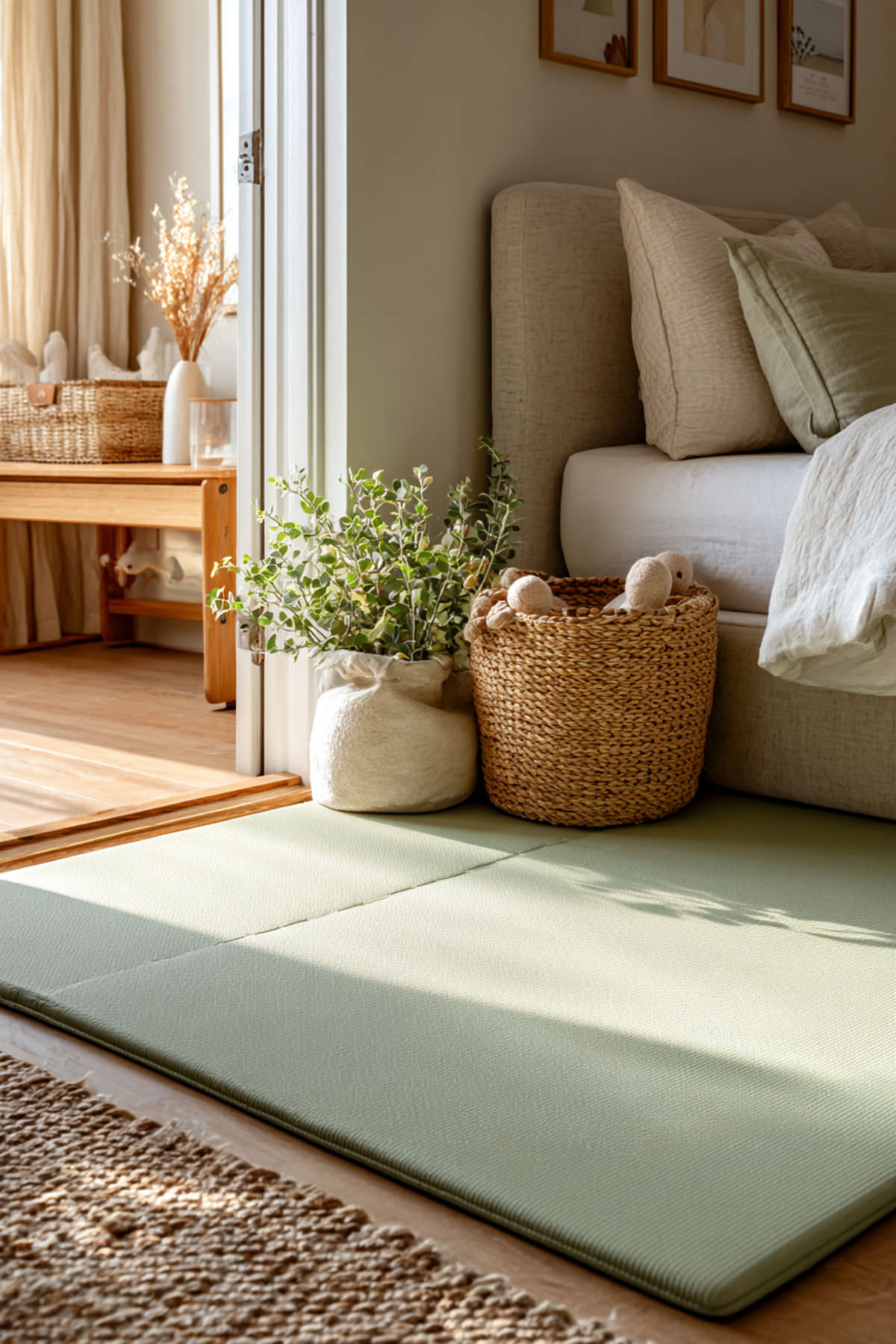
Picture this: It’s 2 AM, you’re wide awake (again), and that overhead light might as well be an interrogation lamp when you stumble to the bathroom. Sound familiar? Perhaps you spent years fighting with you bedroom lighting – too bright, too harsh, or worse, that blue-tinted LED that made you feel like you are sleeping in a hospital. Then you discovered that the right lighting could actually help my sleep patterns instead of sabotaging them. Who knew that swapping out a few bulbs could be more effective than another bottle of melatonin?
I’ve gathered 15 bedroom lighting ideas specifically designed for those of us navigating the sleep challenges of midlife. These aren’t just pretty fixtures – they’re strategic lighting solutions that work with our changing circadian rhythms and hormone levels. Throughout these ideas, you’ll find product recommendations that have genuinely improved my sleep and the sleep of many women I’ve helped.
Save these pins now, because when you’re shopping for dimmers at midnight (we’ve all been there), you’ll want these ideas handy. After transforming your bedroom lighting, come back and explore our other sleep-enhancing room makeovers – because better rest shouldn’t be a luxury at our age. Just to be clear, I’m not providing scientific advice — I’m sharing design inspiration only, and any effects of color or other tips may not be fully supported by research.
Warm Lighting Bedroom for Melatonin Production
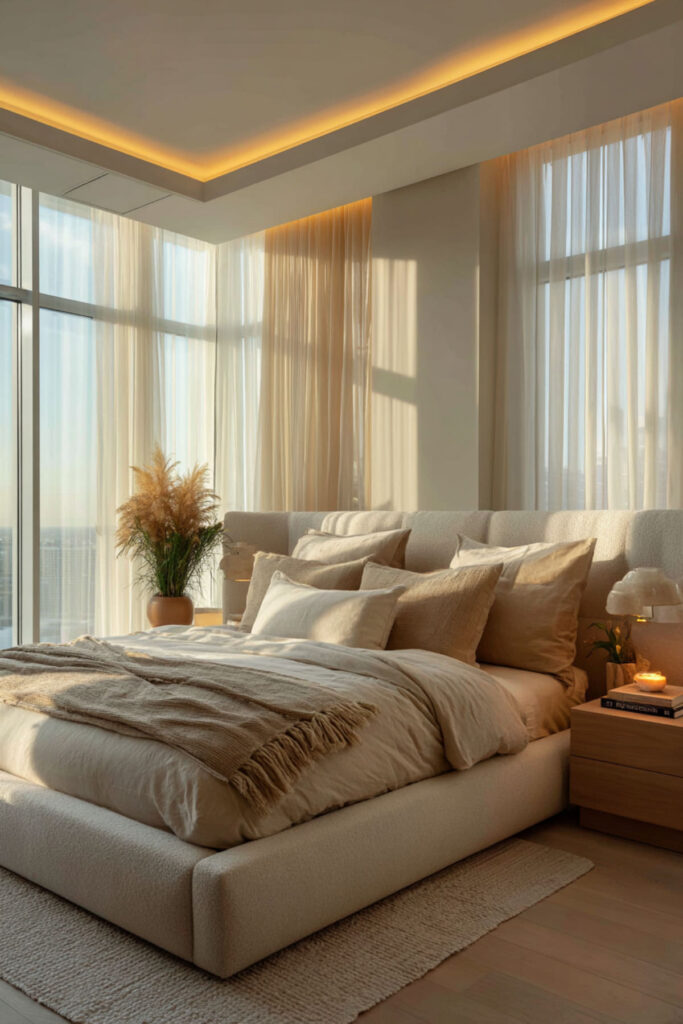
The color temperature of your bedroom lighting literally affects your hormones – and I’m not being dramatic. Warm lighting (think sunset colors) triggers melatonin production, while cool blue lights suppress it. Consider replacing every bulb in my bedroom with 2700K warm white bulbs, and the difference was immediate. My brain started recognizing bedtime instead of fighting it.
I really recommend this type of amber-toned bulb, especially in bedside lamps. They create this golden glow that makes your whole room feel like a cozy retreat. Some people worry warm lighting makes rooms look dated – I think it makes them look expensive and intentional. Would you believe the right bulb color could replace your sleep aids?
Wall Lights Bedroom for Perfect Task Lighting
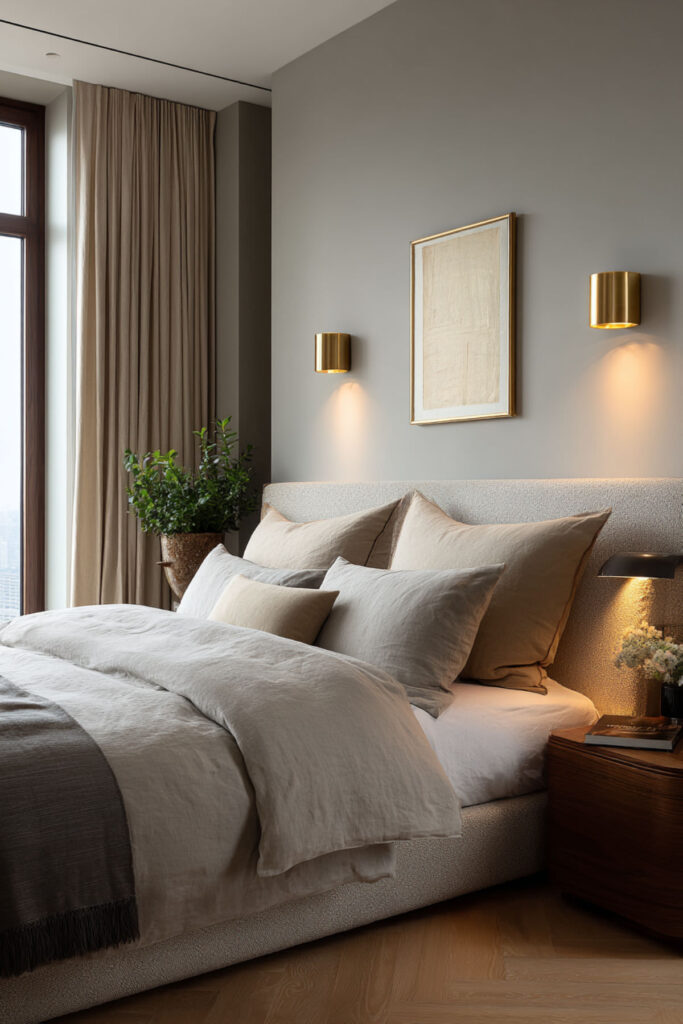
Wall-mounted reading lights changed my bedtime routine completely. No more disturbing my husband with the overhead light, no more straining my eyes with inadequate lamp light. The key is choosing wall sconces with adjustable arms and built-in dimmers. Think about installing these on either side of our headboard, and now you each have perfect reading light that doesn’t disturb the other.
I strongly recommend this type of swing-arm wall light with a fabric shade to soften the glow. Position them about 30 inches above your mattress for optimal reading height. This setup reminds me of those boutique hotels in Carmel where every detail is designed for comfort.
Ambient Lighting Bedroom Layers for Flexibility
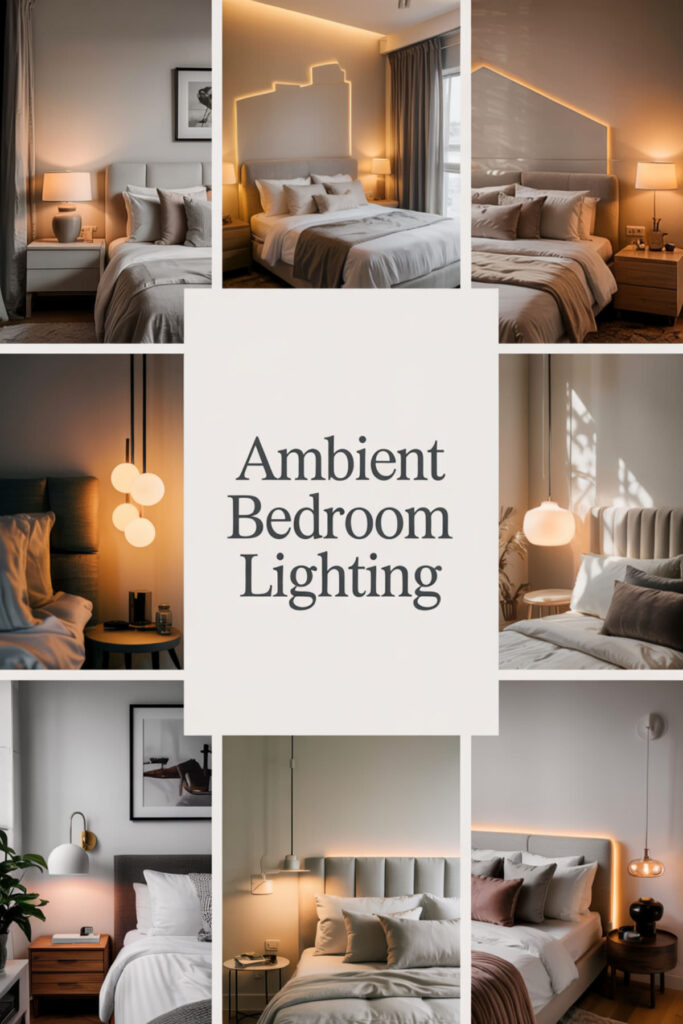
Creating ambient lighting in your bedroom isn’t about one perfect fixture – it’s about layers. You might have learned this the hard way after installing a beautiful chandelier that looked gorgeous but functioned terribly for sleep. Now I recommend layering: soft overhead lighting on a dimmer, bedside lamps for reading, and hidden LED strips for middle-of-the-night navigation.
This option works really well when you’re dealing with different sleep schedules or varying light needs throughout the night. I recommend this approach: start with your brightest layer (overhead), then add task lighting (bedside), and finish with accent lighting (hidden LEDs). The flexibility means you’re never stuck with lighting that’s wrong for the moment.
Pendant Lights Over Nightstands for Style and Function
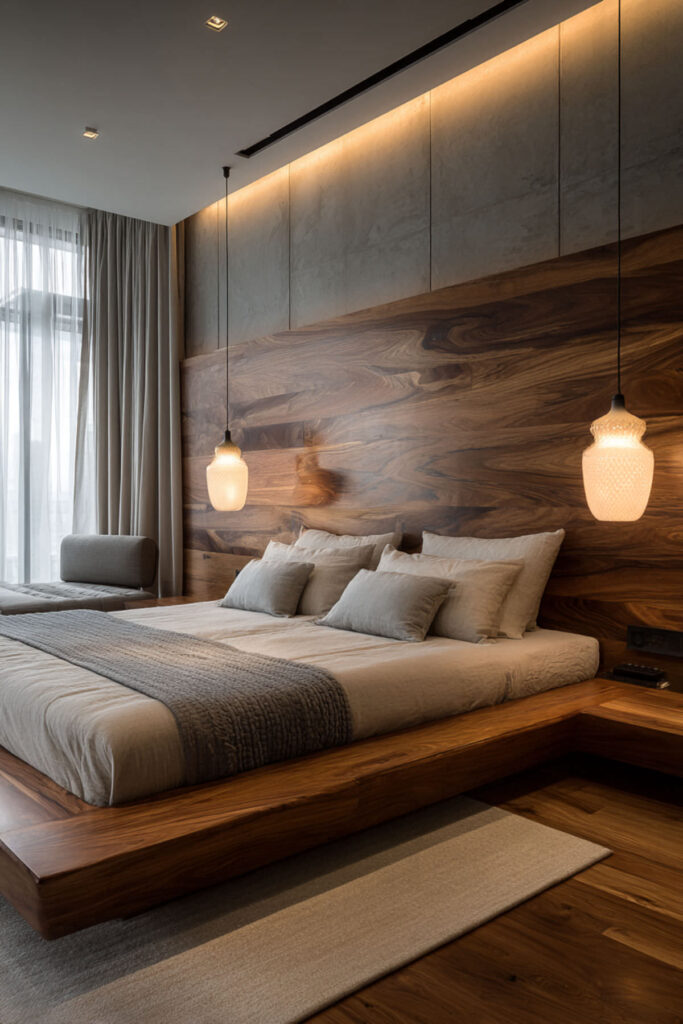
Pendant lights beside the bed aren’t just trendy – they’re practical for midlife sleep issues. They free up nightstand space for water, reading glasses, and that emergency chocolate stash (just me?). Choose pendants with opaque shades that direct light downward, preventing glare when you’re lying down. Think about swapping your table lamps for pendants, and my nightstands feel so much more spacious.
I highly recommend this type of pendant with an inline dimmer switch – you can adjust brightness without getting out of bed. The height is crucial: hang them 20-24 inches above your nightstand surface. Ever since making this change, your bedroom feels like those chic spaces in Architectural Digest.
Bedroom Lighting Ideas Ceiling Small Rooms
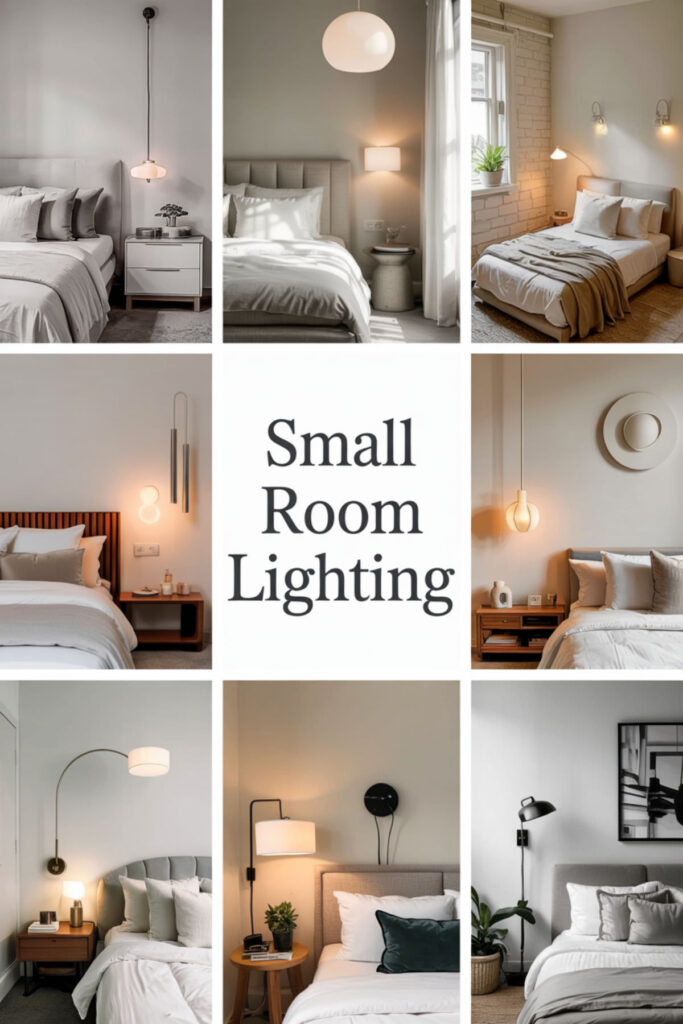
Small bedrooms need special lighting consideration – too much and you feel like you’re in a fishbowl, too little and it feels cramped. The secret is using flush mount ceiling lights that spread light evenly without dropping down into your space. Think about incorporating a gorgeous linen flush mount that provides plenty of light while practically disappearing into the ceiling. Add it to a dimmer switch (always, always use dimmers), and you’ve got versatility in a tiny footprint.
I really recommend this minimalist LED flush mount fixture for bedrooms under 150 square feet. Some people skip ceiling lights in small rooms – I think they’re essential when chosen correctly.
Mood Lighting Bedroom with Smart Controls
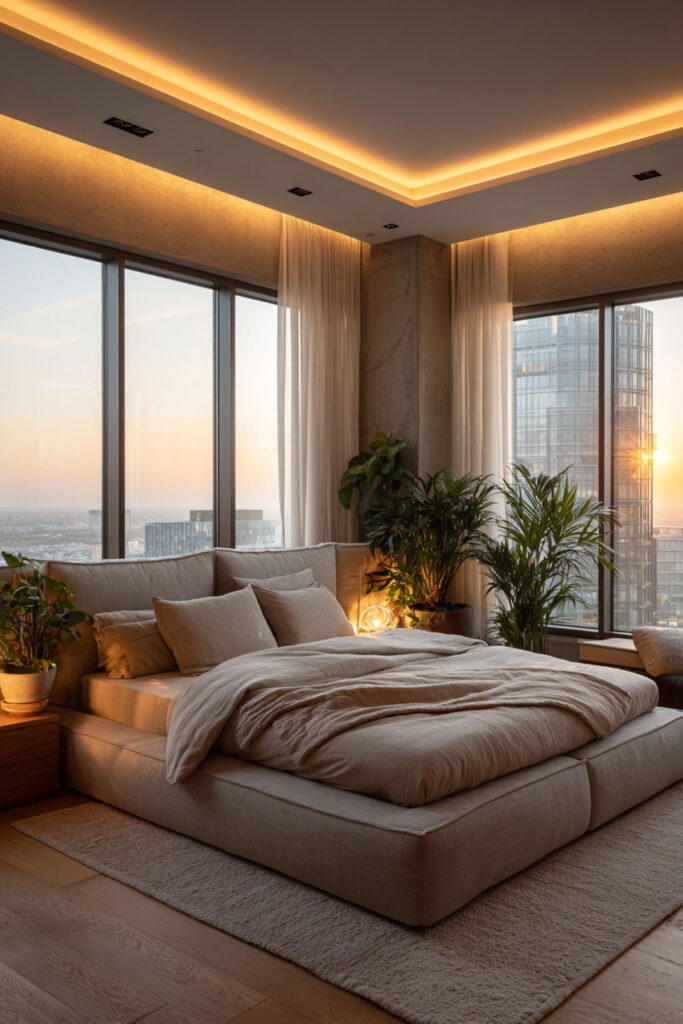
Smart lighting isn’t just for tech enthusiasts – it’s a game-changer for menopausal sleep issues. I can gradually dim my lights from my phone as bedtime approaches, creating a sunset effect that tells my body it’s time to wind down. The best part? Middle-of-the-night bathroom trips with lights that turn on at 10% brightness. No more shocking your system awake.
I strongly recommend this type of smart switch system that works with your existing fixtures. Program different scenes: “bedtime” (warm and dim), “reading” (focused and bright), “midnight” (barely there). Technology serving biology – it’s brilliant.
Dim Lighting Bedroom Strategies That Work
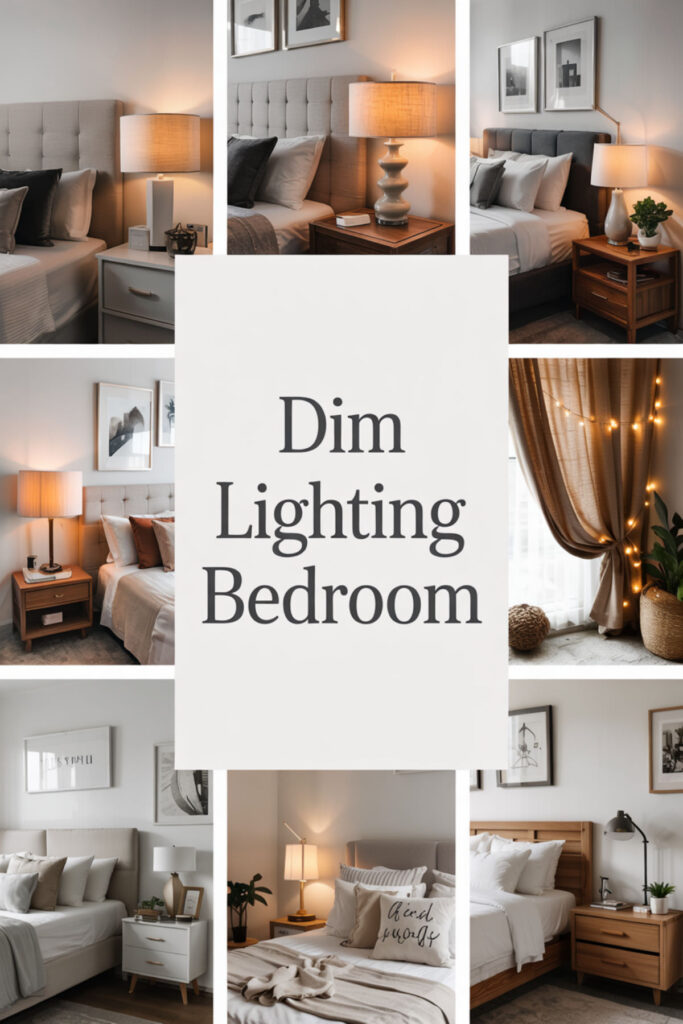
Learning to embrace dim lighting was hard for someone who used to light rooms like an operating theater. But here’s what I discovered: your bedroom should start dimming at least an hour before sleep. Using multiple 40-watt equivalent bulbs instead of one bright source could be a good idea, creating pools of soft light. This approach works especially well if you’re sensitive to light or dealing with anxiety.
I recommend this type of dimmer-compatible LED bulb in all bedroom fixtures. The gradual dimming process has become my favorite bedtime ritual. One friend calls it “lighting yoga” – slowly releasing the day’s brightness until you’re ready for darkness.
Bedroom Wall Sconces Bedside Lighting Solutions
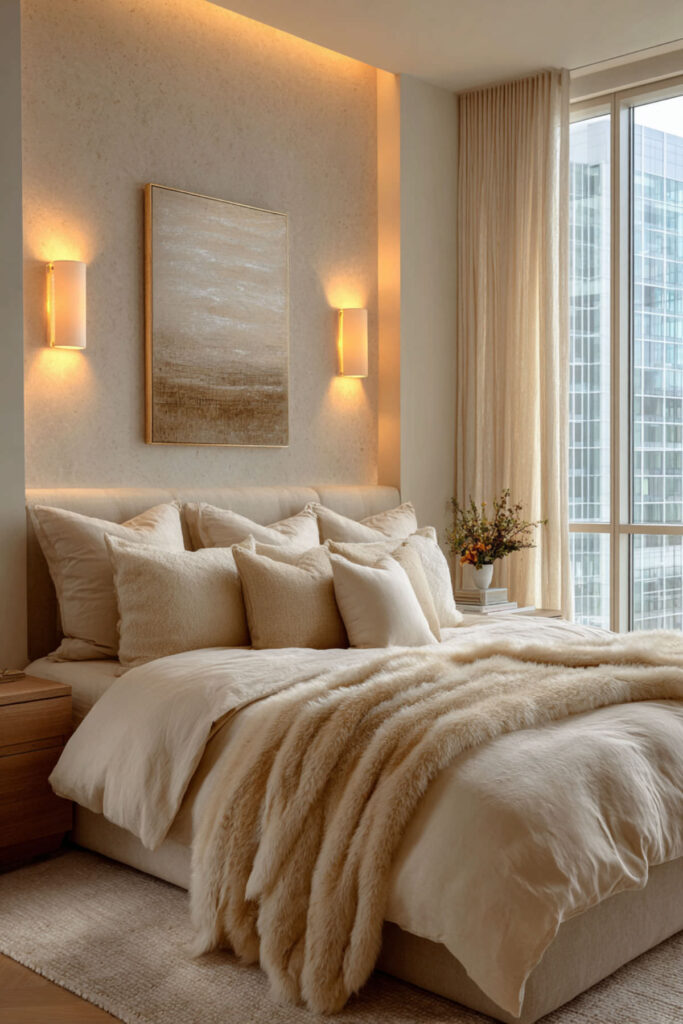
Wall sconces aren’t just space-savers – they’re relationship-savers when you and your partner have different sleep schedules. If you chose sconces with individual switches and focused light beams, you can read while your husband sleeps. The key is positioning: install them 4-6 inches to the side of your bed’s center and about 60 inches from the floor.
I really recommend this type of sconce with a pivoting head – you can direct light exactly where needed. This setup reminds us of those gorgeous European hotels where they’ve thought of everything. Plus, hardwired sconces look so much more sophisticated than cord-draped table lamps.
Romantic Bedroom Lighting Ideas for Connection
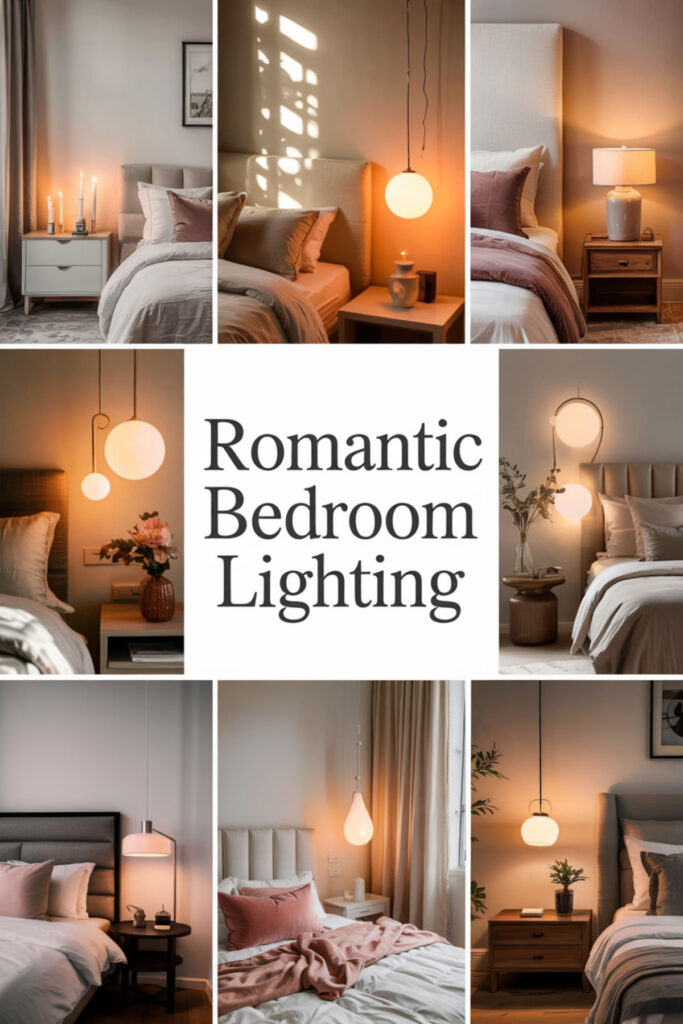
Creating romantic lighting when you’re dealing with hot flashes might seem contradictory, but the right ambiance can actually help you relax. Skip the candles (fire hazard when you’re tossing covers) and opt for dimmable warm lights instead. Installing a beautiful ceiling fixture with a remote control dimmer is a great idea – romance without leaving the bed. Layer in some battery-operated flameless candles for flicker without heat.
I highly recommend this approach for maintaining intimacy while managing midlife changes. The soft lighting makes everyone look better (hello, forgiving glow), and the relaxed atmosphere can improve both sleep and connection. Sometimes setting the mood helps with more than just romance.
Bedroom Pendant Lighting Bedside Alternatives
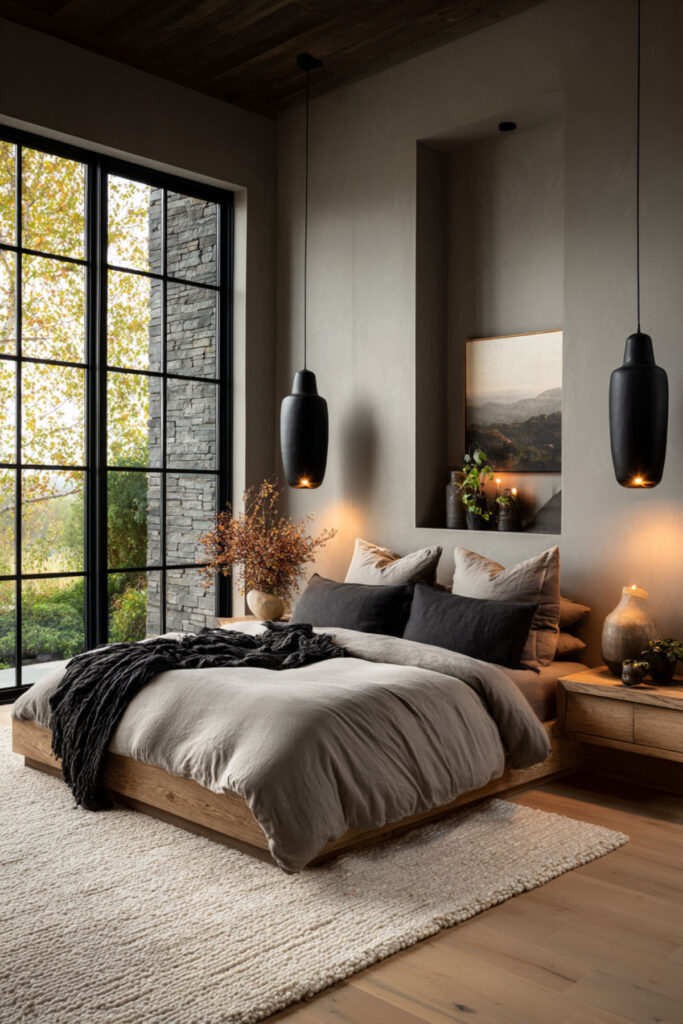
Pendant lighting beside the bed offers unexpected benefits for midlife women. The downward-focused light is perfect for reading without the horizontal glare that can trigger headaches. Choosing pendants with brass fixtures and white linen shades – sophisticated but not trendy. The height adjustability means you can fine-tune the light position as your vision changes (reading glasses, anyone?).
I recommend this type of plug-in pendant if you’re not ready for electrical work. They give the same effect with more flexibility. Since switching to pendants, you might notice less eye strain and fewer tension headaches. Who knew lighting could be part of your wellness routine?
Recessed Lighting Bedroom for Clean Aesthetics
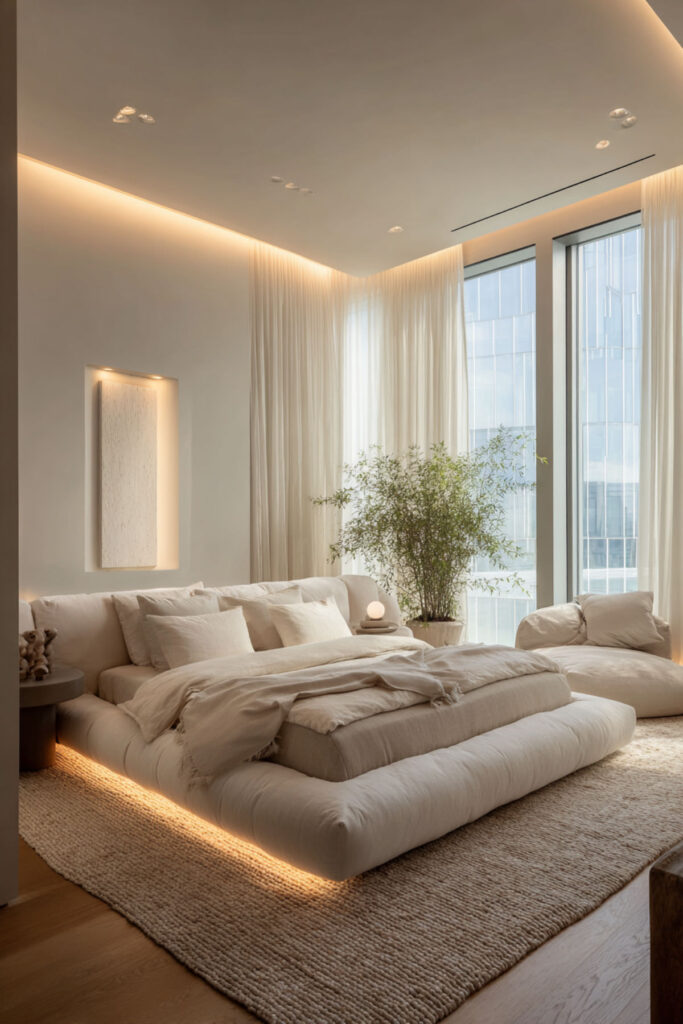
Recessed lighting might seem too modern for a cozy bedroom, but it’s actually perfect for creating even, adjustable light without visual clutter. Installing four recessed lights around yout bedroom perimeter, all on dimmers, can be a great idea, and the effect could be like expensive hotel lighting. The key is using warm-toned bulbs and avoiding direct placement over the bed.
I really recommend this type of LED retrofit kit that works in existing fixtures. Position lights 2-3 feet from walls to create a wash effect. This lighting makes my bedroom feel larger and more serene – exactly what you want when you’re trying to quiet a racing mind.
Indirect Lighting Bedroom for Gentle Illumination
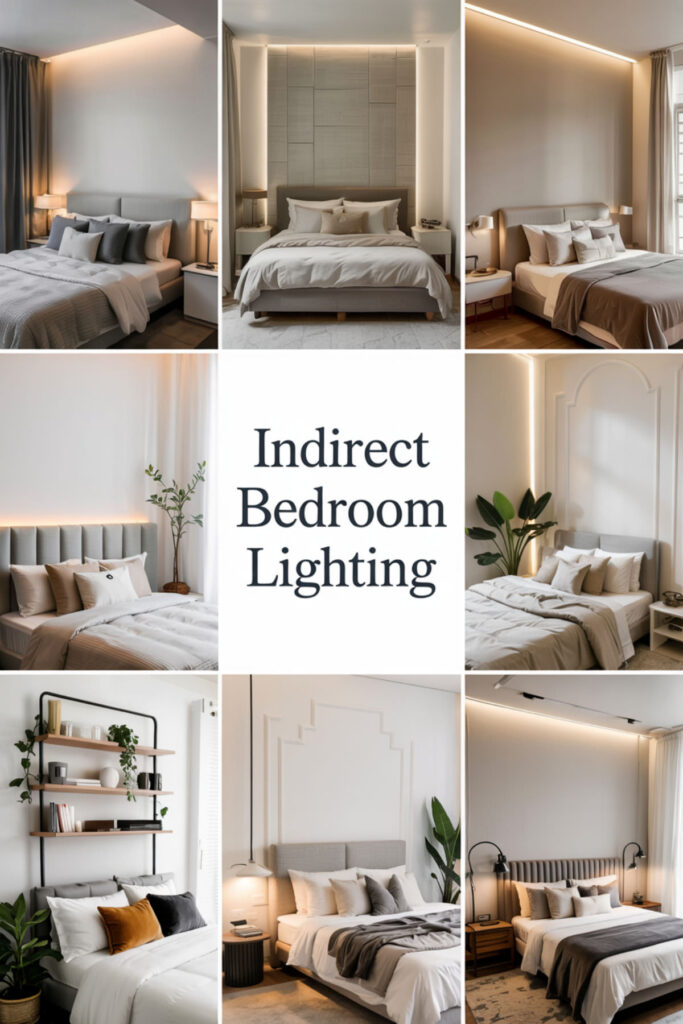
Indirect lighting – where you see the glow but not the source – creates the most flattering and calming bedroom environment. You can hide LED strips behind my headboard and under floating shelves, creating this soft halo effect. It’s bright enough for navigation but gentle enough that it doesn’t fully wake you. This option works really well if you’re light-sensitive or dealing with migraines.
I recommend this type of warm white LED strip with a remote dimmer. The installation is surprisingly easy, and the effect is pure magic. Your bedroom now has this ethereal quality that makes falling asleep feel natural rather than forced.
Bedroom Accent Lighting for Visual Interest
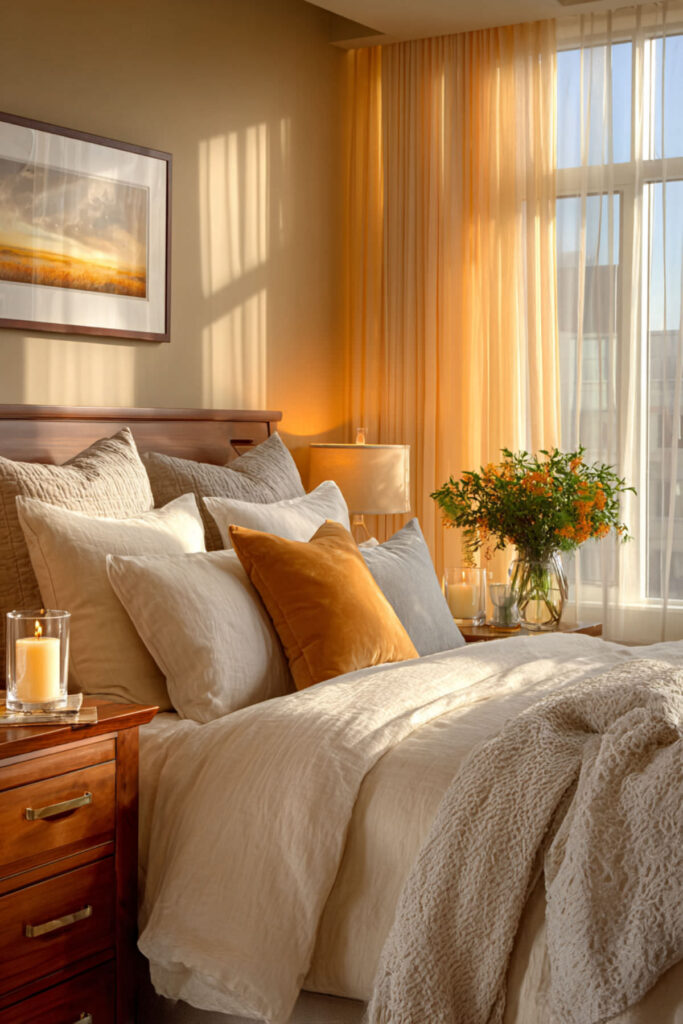
Accent lighting isn’t just decorative – it can actually improve your sleep by creating visual cues for bedtime. You can use small spotlights to highlight artwork and plants, creating gentle focal points that draw the eye away from screens and stressors. The key is keeping accent lights on separate switches from task lighting.
I strongly recommend this type of picture light for artwork – it adds sophistication while providing soft ambient light. This approach reminds me of those serene gallery spaces where everything feels intentional and calm. Ever since adding accent lighting, your bedroom feels like a curated retreat rather than just a place to sleep.
Bedroom Night Lighting Ideas for Safety
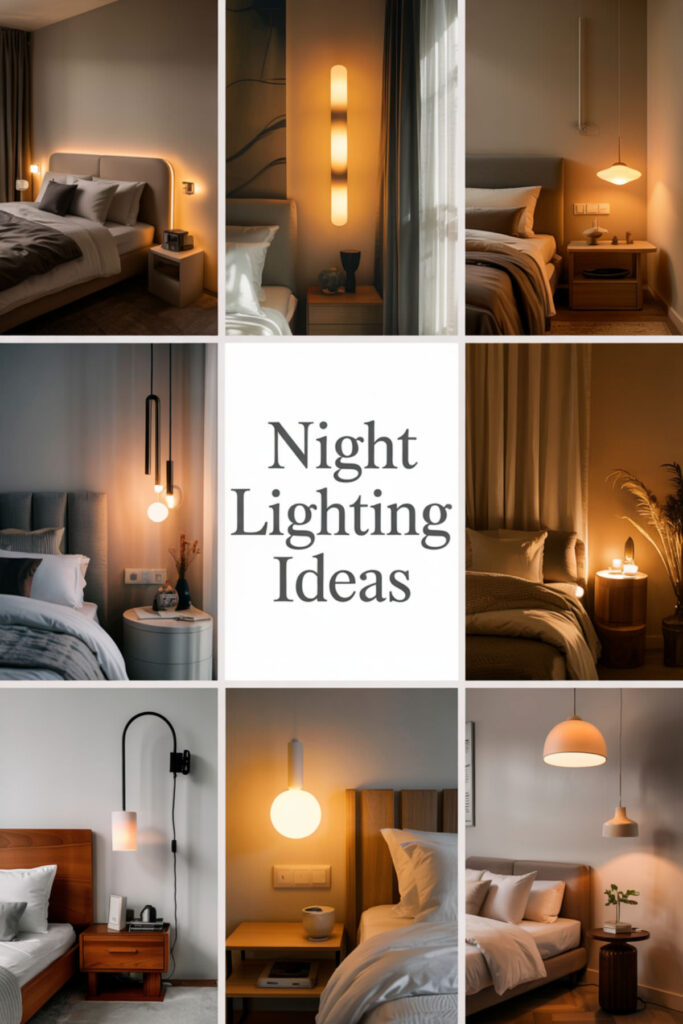
Those 2 AM bathroom trips don’t have to involve toe-stubbing or full awakening. You can install motion-sensor night lights along my path – they provide just enough illumination without disrupting melatonin production. Choose lights with amber or red bulbs rather than white or blue.
I really recommend this type of outlet night light with adjustable brightness. Place them strategically: one by your bedside, one in the hallway, one in the bathroom. The automatic sensors mean no fumbling for switches. After adding these, you can navigate safely without fully waking up – crucial for getting back to sleep quickly.
Bedroom Table Lamps Bedside Lighting Classics
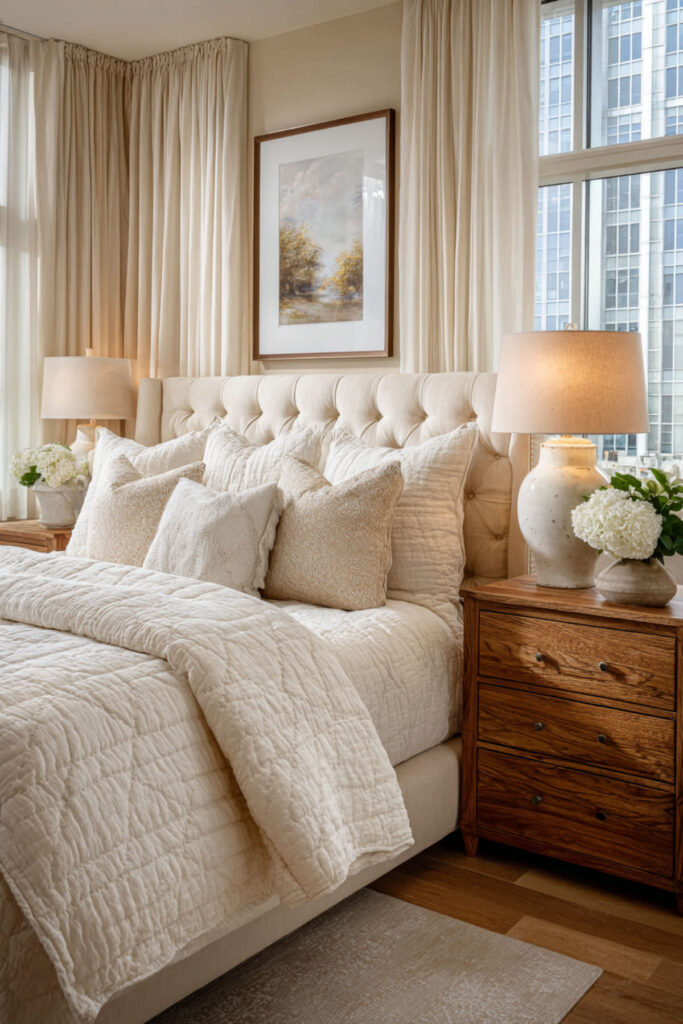
Sometimes classic solutions are best. The right bedside table lamp provides focused task lighting while adding style to your nightstand. Choose lamps with three-way switches for maximum flexibility and linen shades that diffuse light beautifully. The height matters: the bottom of the shade should be at eye level when you’re sitting up in bed.
I highly recommend this type of ceramic or wood base lamp that complements your decor without overwhelming the space. Add warm-toned bulbs and you’ve got lighting that works for everything from reading to meditation. These timeless pieces prove that functional can definitely be beautiful.
Creating Your Perfect Sleep Lighting
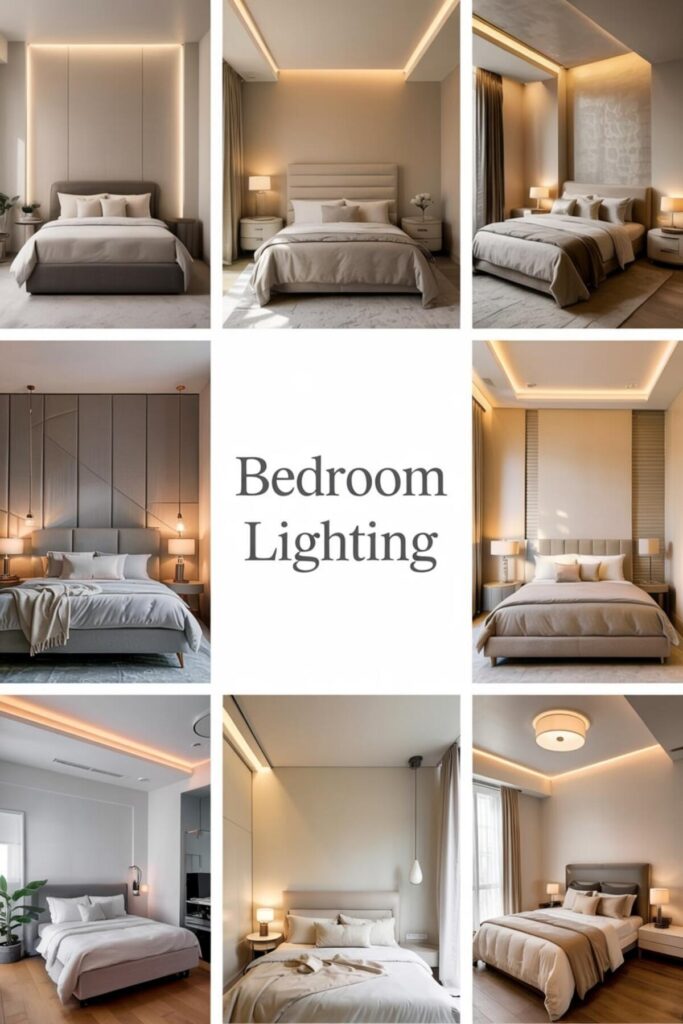
After exploring all these lighting options, remember that the best bedroom lighting is deeply personal. What helps me sleep might keep you awake, and that’s okay. The key is experimenting with different combinations until you find what works for your unique sleep challenges. Make sure to read these calming bedroom color ideas made for women in their 50s who want a restful, stylish space that supports better sleep and relaxation.
Start with one change – maybe switching to warm bulbs or adding dimmers. Pay attention to how different lighting affects your sleep quality and mood. The goal isn’t Instagram-worthy lighting (though yours might end up there). It’s creating an environment that supports the restorative sleep you desperately need and deserve. Don’t miss these cozy bedroom ideas perfect for grown women who want a warm, inviting space that encourages deep rest and peaceful nights.
Remember, good lighting is an investment in your health, not just your decor. Ready to transform more than just your lighting? Explore our collection of bedroom improvements designed for midlife women seeking better sleep. Because at this stage of life, you’ve earned the right to rest well – and sometimes that journey begins with the flip of a (dimmer) switch.
And here’s a little more inspiration — save these ideas so you don’t lose them.
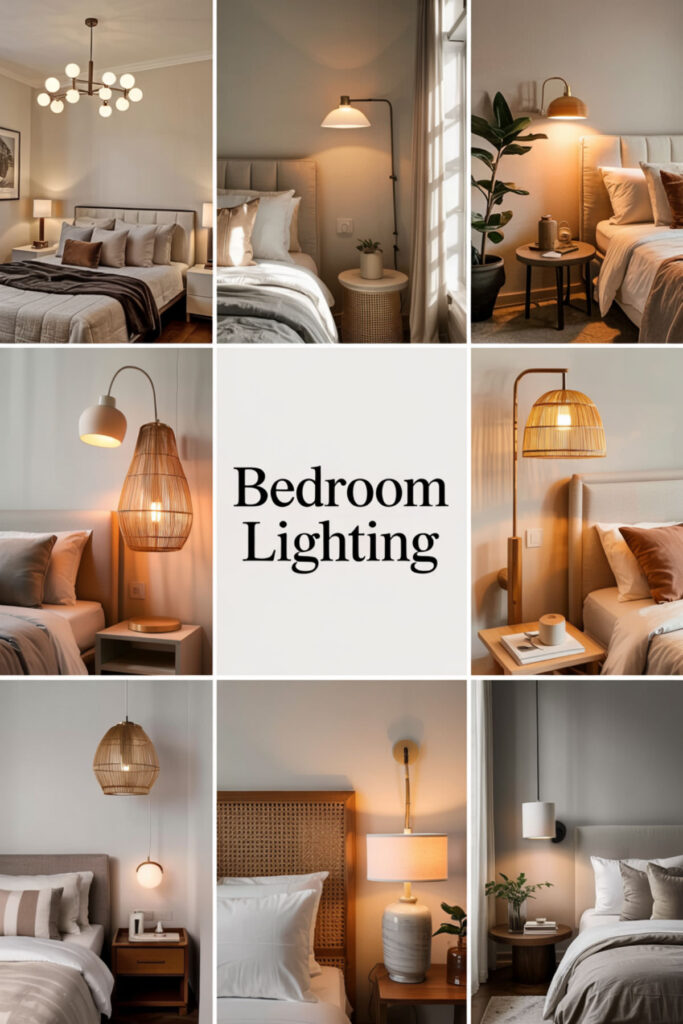
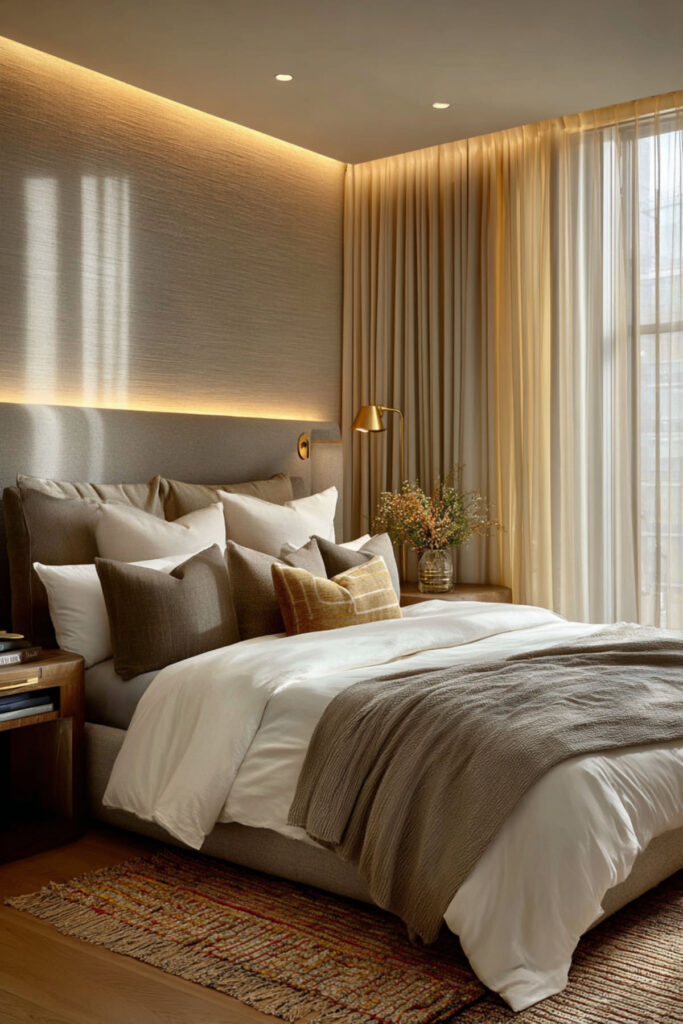
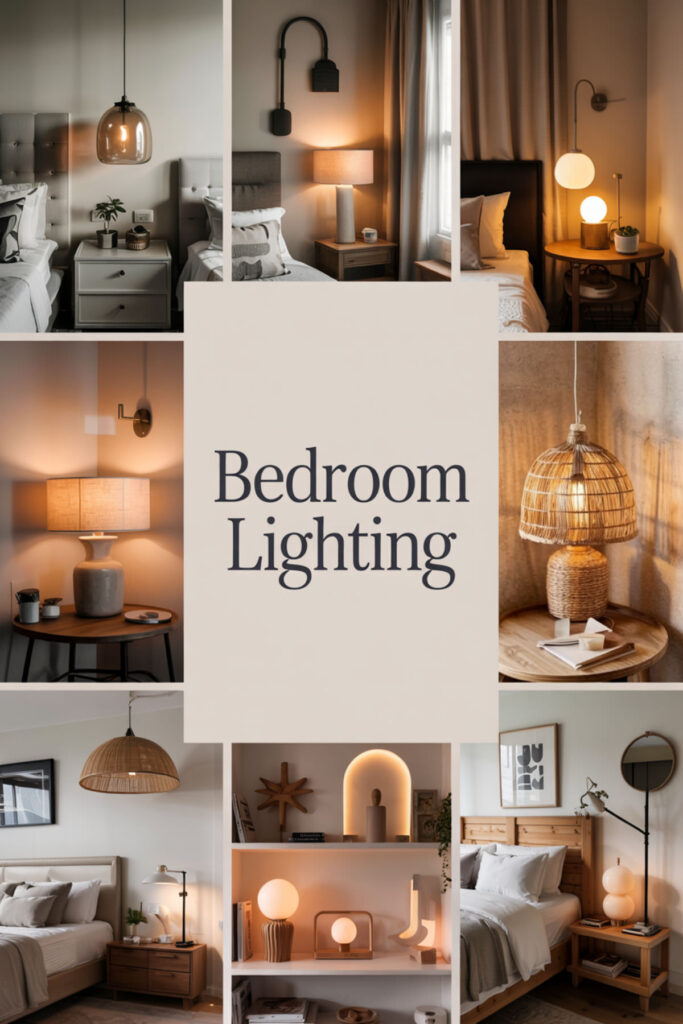
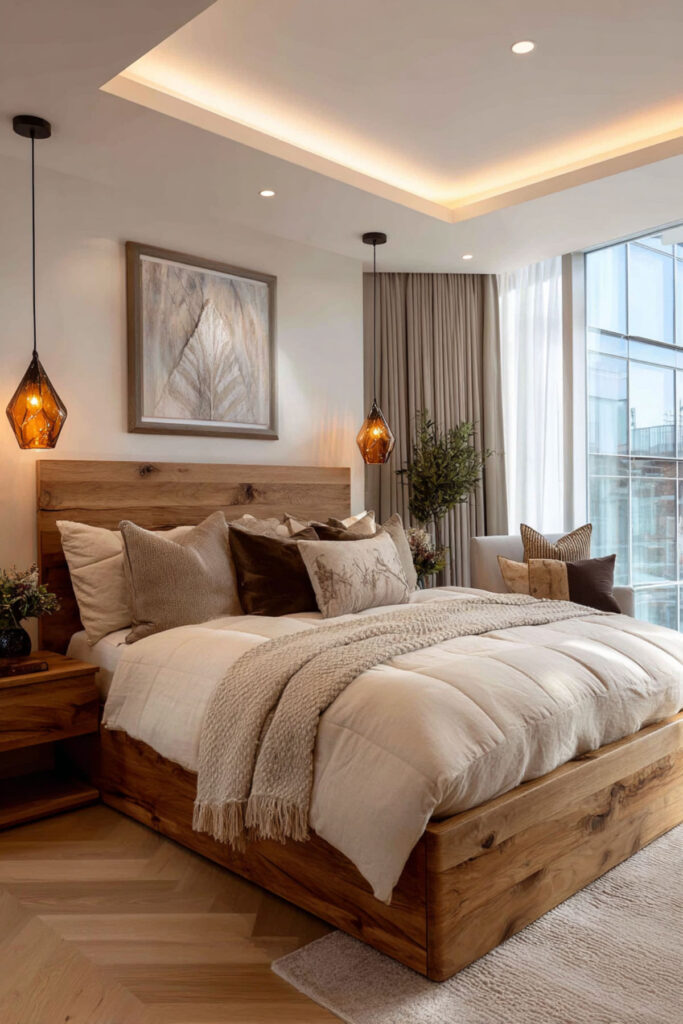
Keep the inspiration flowing by checking out the rest of my bedroom design ideas across the website.