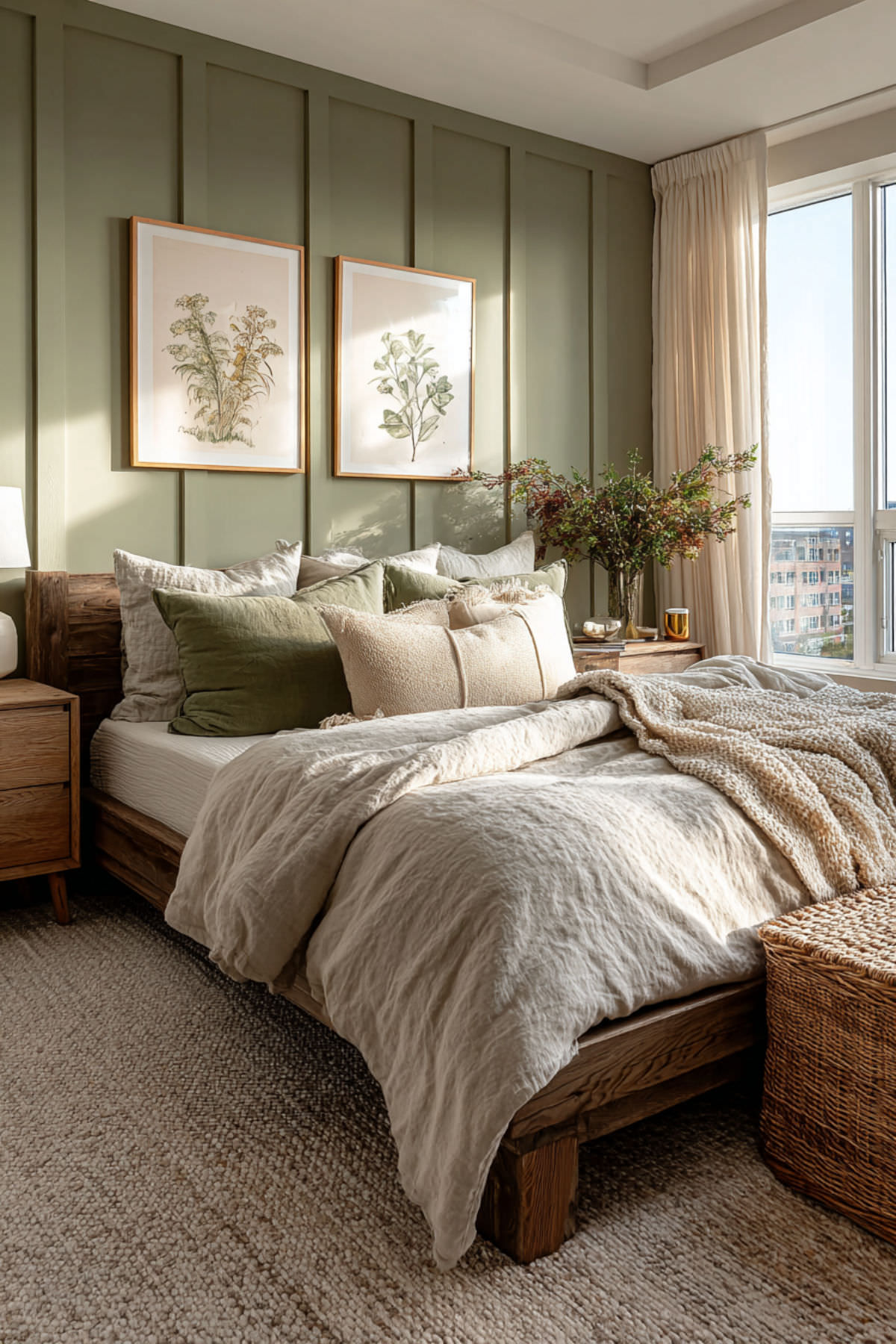
It’s 3:23 AM and you’re staring at my bedroom walls again. The beige paint that seemed so “practical” five years ago now feels like it’s mocking you – bland, lifeless, offering nothing to calm your racing thoughts. Last month, after yet another sleepless night, you started researching how wall colors actually affect our sleep patterns. What you discovered changed everything. Turns out, those of you battling insomnia have been missing a crucial piece of the sleep puzzle: your walls might be working against you.
If you’re tired of counting sheep while staring at walls that do nothing to soothe your restless mind, these painting ideas are specifically designed to help create a sleep sanctuary that actually works. These aren’t just pretty paint colors – they’re hues to promote relaxation and better sleep.
Throughout, you’ll find product recommendations for paints and techniques that support restful sleep. Save these ideas for your next home improvement project, and explore our other guides for creating sleep-supportive spaces! I’m not giving scientific advice — these are décor ideas, and color effects or other claims may not be backed by science.
Sage Green Colour Scheme for Nervous System Calm
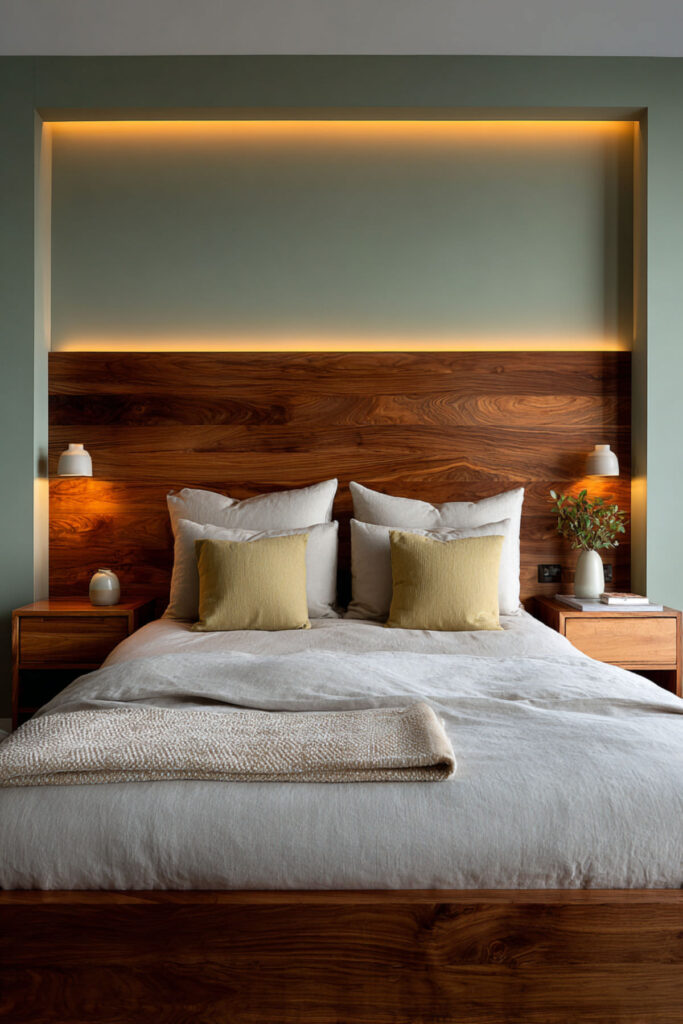
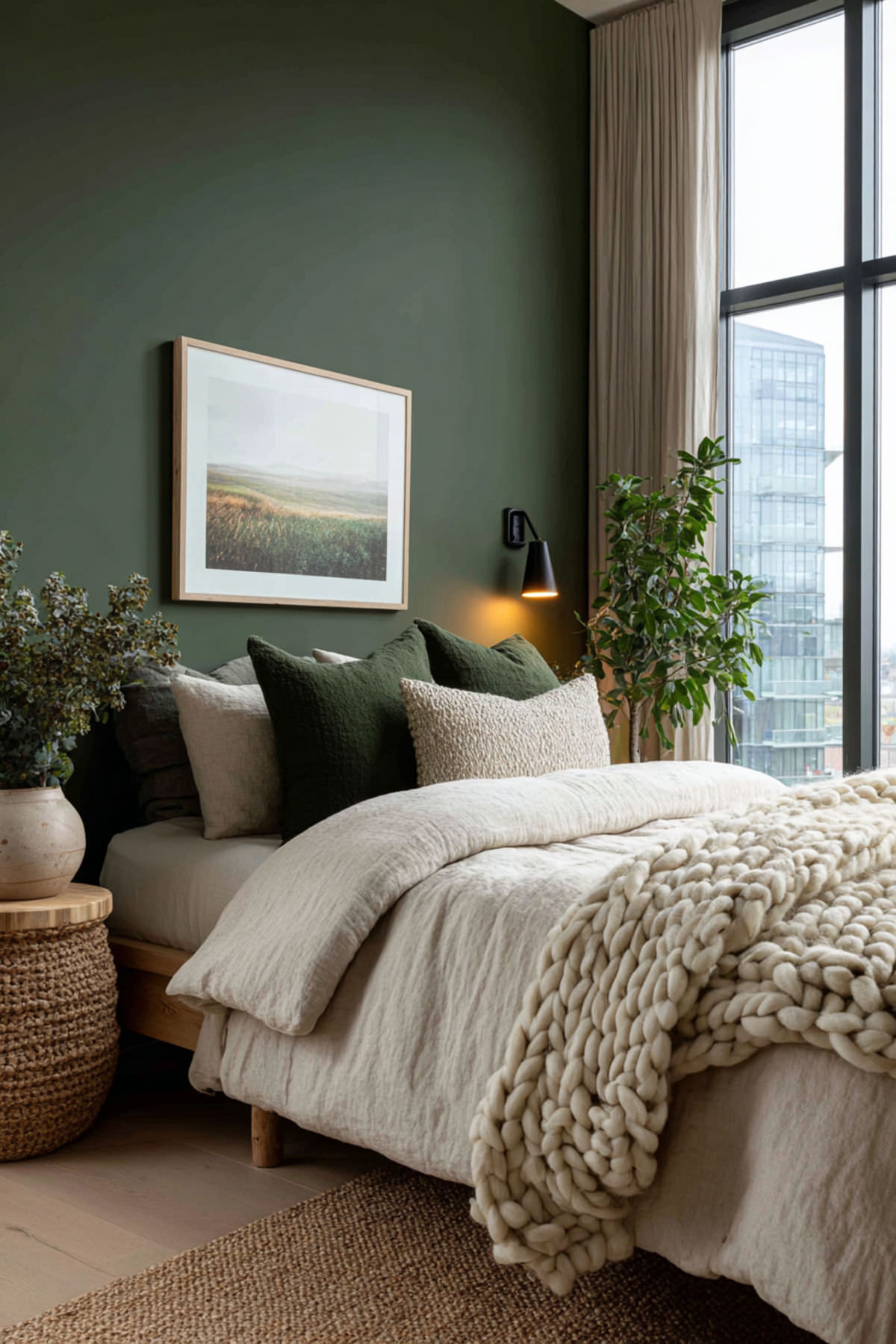
Sage green is basically nature’s Ambien – it literally signals your nervous system to downshift. After painting your bedroom walls in the softest sage, you noticed your pre-sleep anxiety decreased noticeably.
I strongly recommend choosing a sage with gray undertones rather than yellow – it’s more soothing for evening hours. Paint all four walls for full immersion, or just the wall behind your bed if you’re testing the waters. This color works like those weighted blankets everyone raves about, but for your eyes. To complete the calm, I highly recommend investing in this sage green velvet accent chair with an ottoman– it’s perfect for reading, feeding, or just breathing deeply in peace.
Calm Dark Bedroom for Deep Sleep
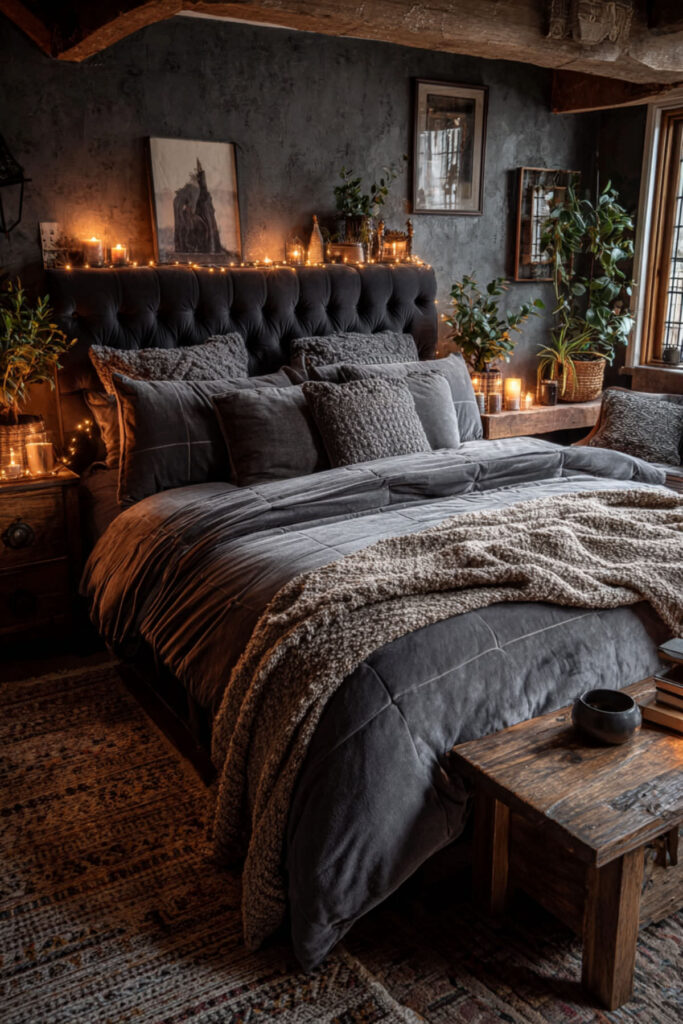
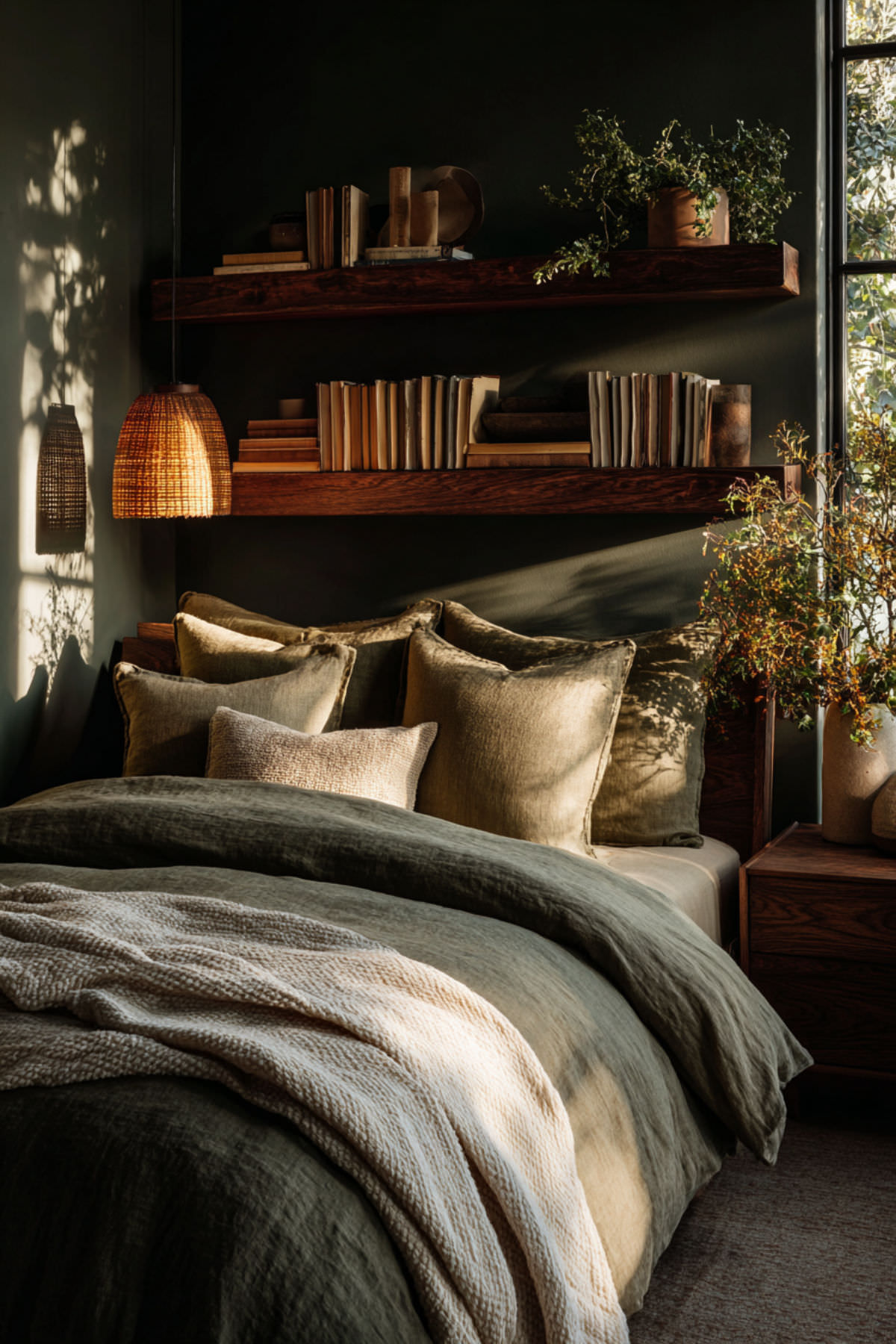
I know dark walls sound counterintuitive when you’re already lying awake in the dark, but hear me out. Deep, muted colors like charcoal, navy, or forest green actually promote melatonin production.
⫸ Click Here For Best Selling Sublimation Printers And Products ⫷I really recommend starting with one stick wall mural if you’re nervous about going fully dark. The key is choosing matte or eggshell finishes – they absorb light rather than reflect it, creating this cocoon effect that tells your brain it’s time to power down. Some people worry dark walls are depressing – but others think they’re like a gentle “closed for business” sign to an overactive mind.
Tranquil Room Ideas with Gradient Walls

Gradient or ombré walls create this mesmerizing effect that gives restless eyes something soothing to follow. Start with white at the top, gradually deepening to soft blue or lavender at the bottom.
I highly recommend hiring a professional for this technique, or using the sponging method if you’re DIY-ing. The gradual color shift mimics a sunset, naturally cueing your body for sleep. Would you ever try something this artistic? When you’re desperate for sleep, you’d be surprised what you’re willing to attempt. Pair it with a tree trunk design floor lamp for a full sensory wind-down.
Neutral Coloured Bedroom That Actually Soothes
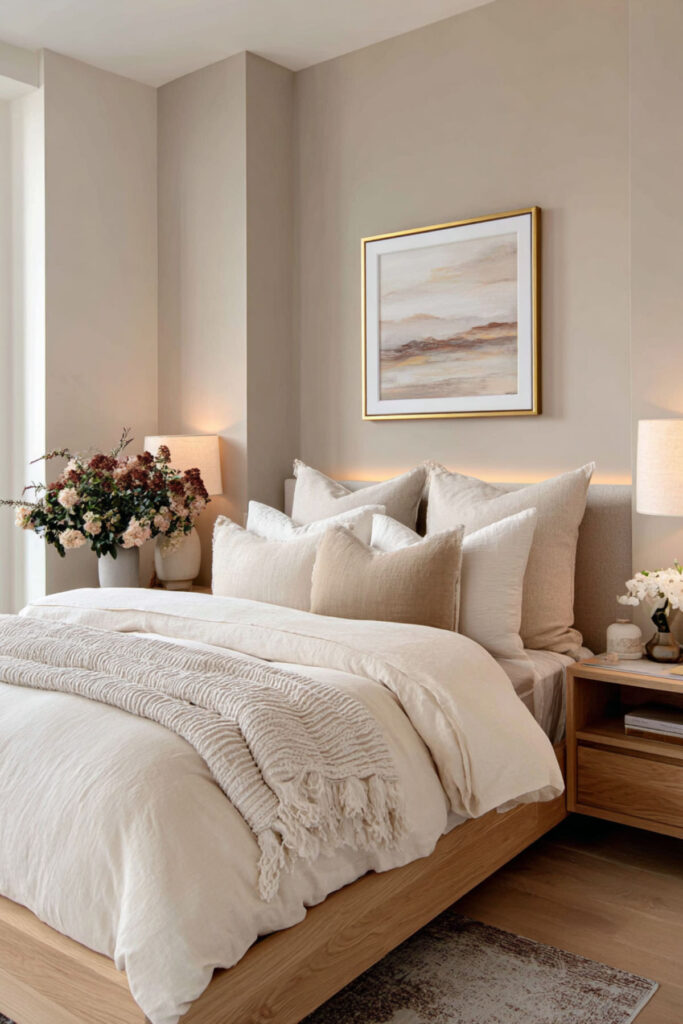
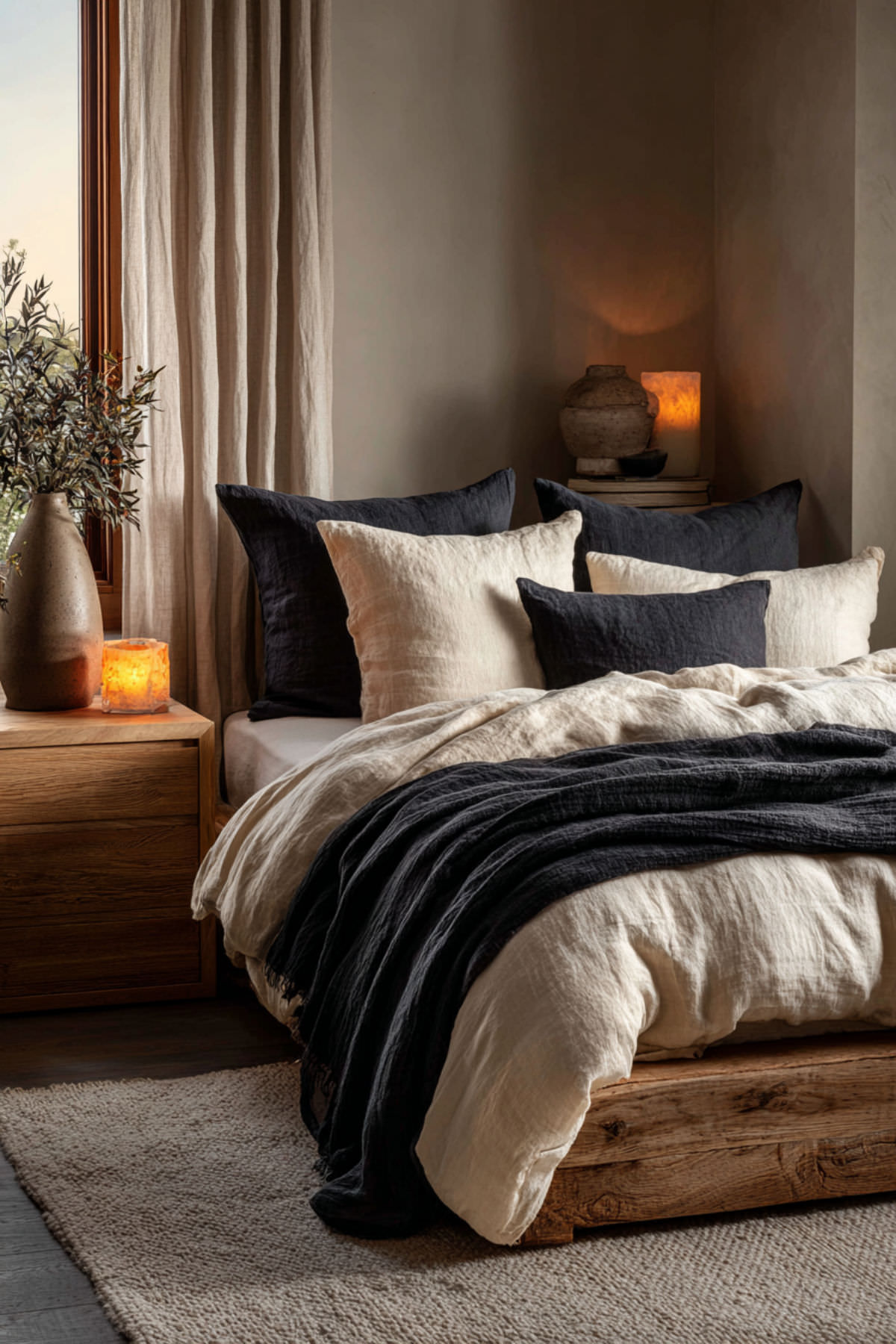
Not all neutrals are created equal for insomniacs. Warm grays, greiges, and mushroom tones create calm without the stark feeling of pure white or beige.
I strongly recommend testing paint samples at different times of day – what looks soothing at noon might feel harsh under evening lighting. Add depth by painting trim in a slightly lighter shade of the same color. This monochromatic approach reduces visual stimulation that can keep busy minds spinning.
Moss Green Bedroom Ideas for Grounding
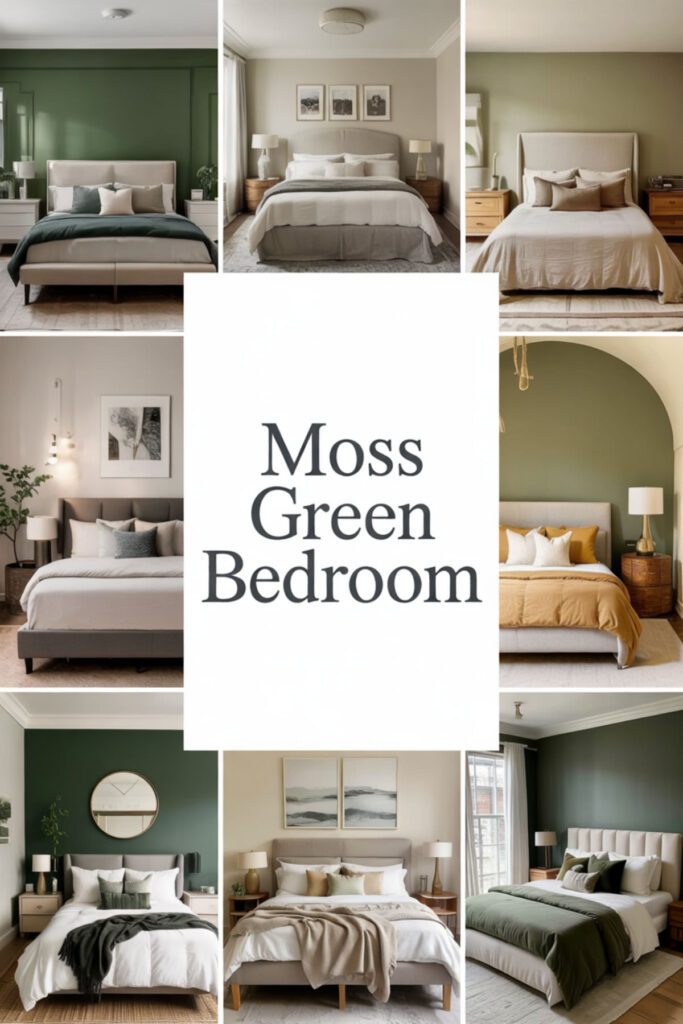
Moss green goes deeper than sage, creating an almost forest-like atmosphere that grounds anxious thoughts. This color is particularly effective if your insomnia stems from anxiety or overthinking. I really recommend pairing moss walls with natural wood furniture like a curved-edge oak nightstand or a minimalist platform bed, and crisp white bedding.
The combination creates this earthy sanctuary that makes 2 AM feel less lonely and more like a peaceful retreat. Let me know what you think – does being surrounded by this color make you feel held by nature?
Bedroom Serene Through Lavender Hues
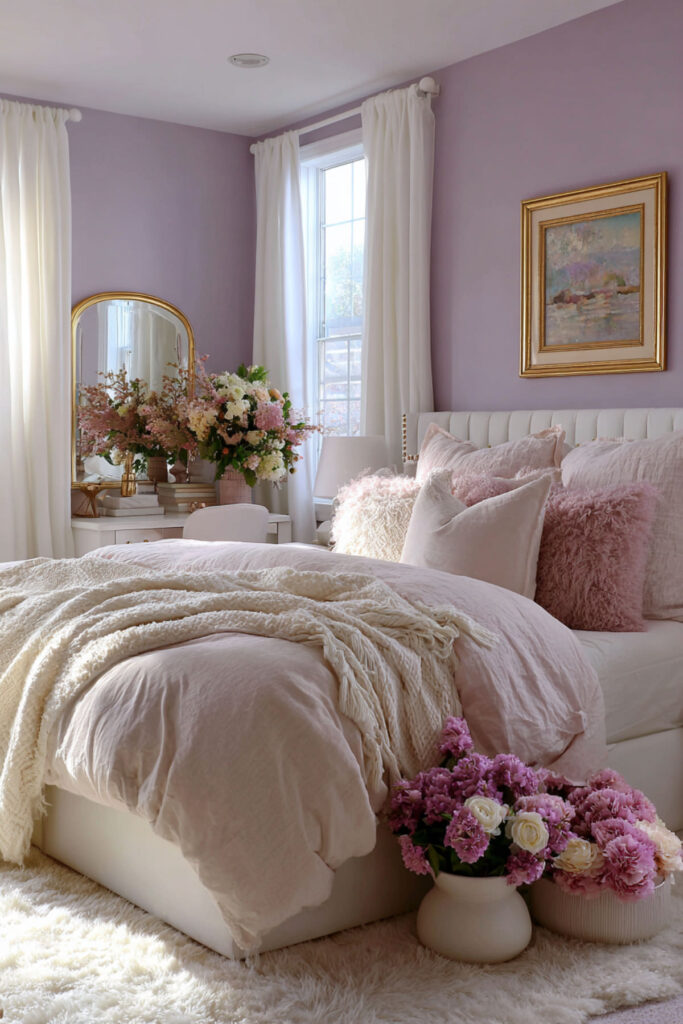
Lavender isn’t just for sachets under pillows – the color itself has calming properties. Choose muted, grayed lavenders rather than bright purple. I highly recommend painting the ceiling in the palest lavender while keeping walls neutral. This creates a subtle color therapy effect without overwhelming the space.
When you’re lying there unable to sleep, the gentle color above provides visual comfort without demanding attention. For an extra layer of serenity, consider investing in a large lavender-toned abstract canvas – it adds texture, depth, and a calming focal point to your bedroom retreat.
Soft Life Bedroom in Whisper Pink
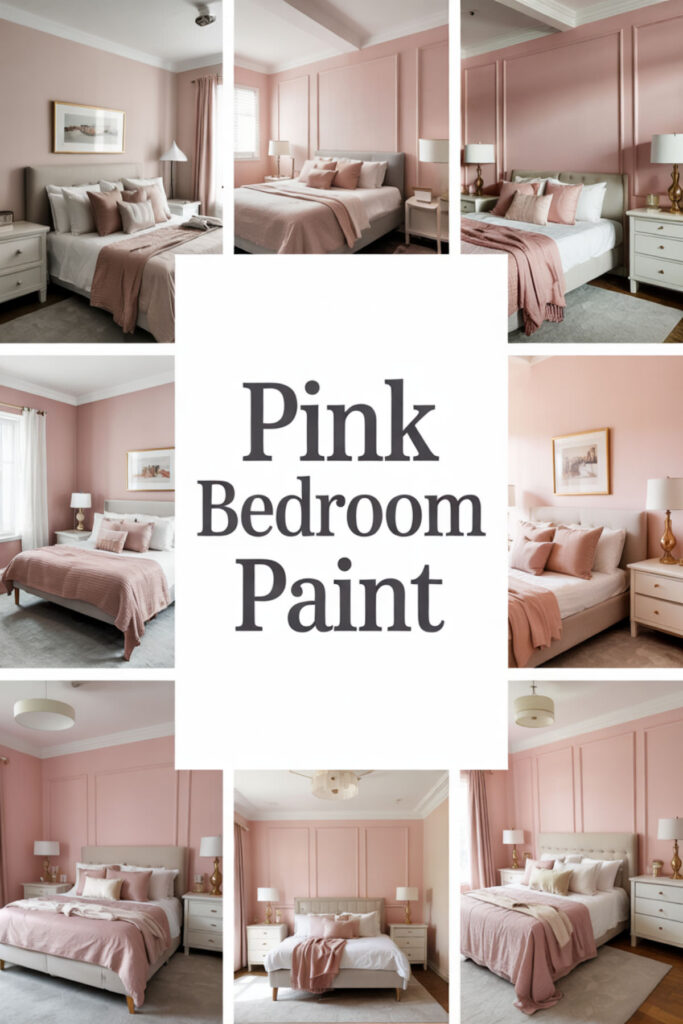
Soft, muted pink (think ballet slipper, not bubblegum) actually lowers blood pressure and reduces anxiety. For insomnia related to stress or hormonal changes, this color can be remarkably effective.
I strongly recommend testing various pink undertones – peachy pinks feel warming, while blue-based pinks feel cooling. Paint just one wall if you’re unsure, preferably the one you face while lying in bed. This gives you something nurturing to focus on during wakeful moments. If you’re really leaning into the soft life vibe, a blush pink velvet chaise lounge adds that perfect mix of luxury and comfort – like a visual exhale at the end of a long day.
Minimalist Bedroom Color for Mental Clarity
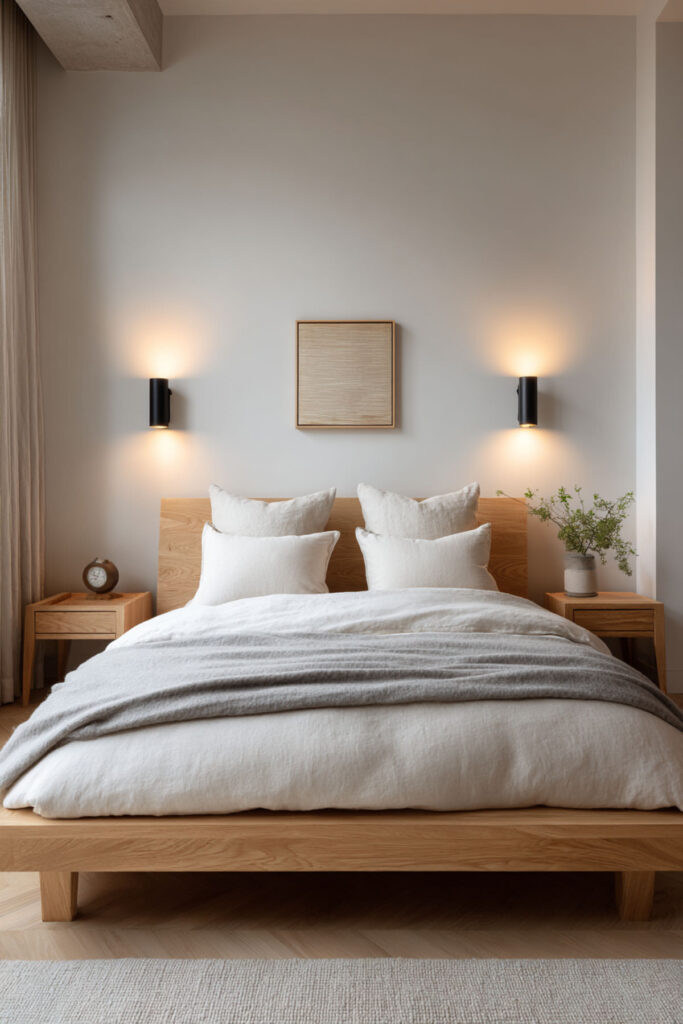
Sometimes insomnia comes from mental clutter, and minimalist color schemes help clear the static. Think tone-on-tone whites, barely-there grays, or the softest sand colors. I really recommend using different sheens of the same color for subtle interest – matte walls with eggshell trim, for example.
This approach creates visual quiet that helps racing thoughts slow down. The lack of contrast gives your brain permission to rest. This sleek boucle upholstered platform bed adds just the right amount of texture while staying true to a calming minimalist vibe.
Grey And Light Wood Bedroom Balance
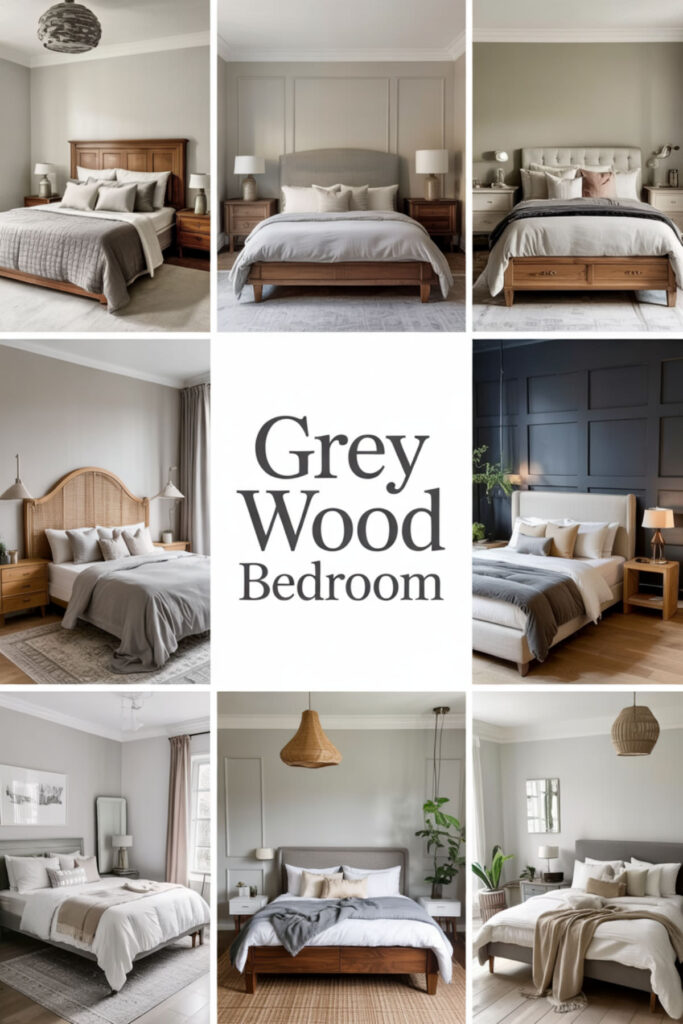
The combination of soft gray walls and natural wood creates a balanced environment that neither overstimulates nor under-engages. I highly recommend warm grays over cool ones – they’re more conducive to relaxation.
Consider painting walls in “greige” and keeping wood furniture natural, like this long console table. This combination reminds us of Scandinavian spas, where everyone seems to sleep perfectly. The natural elements help regulate your circadian rhythm.
Sanctuary Bedroom Aesthetic with Two-Toned Walls
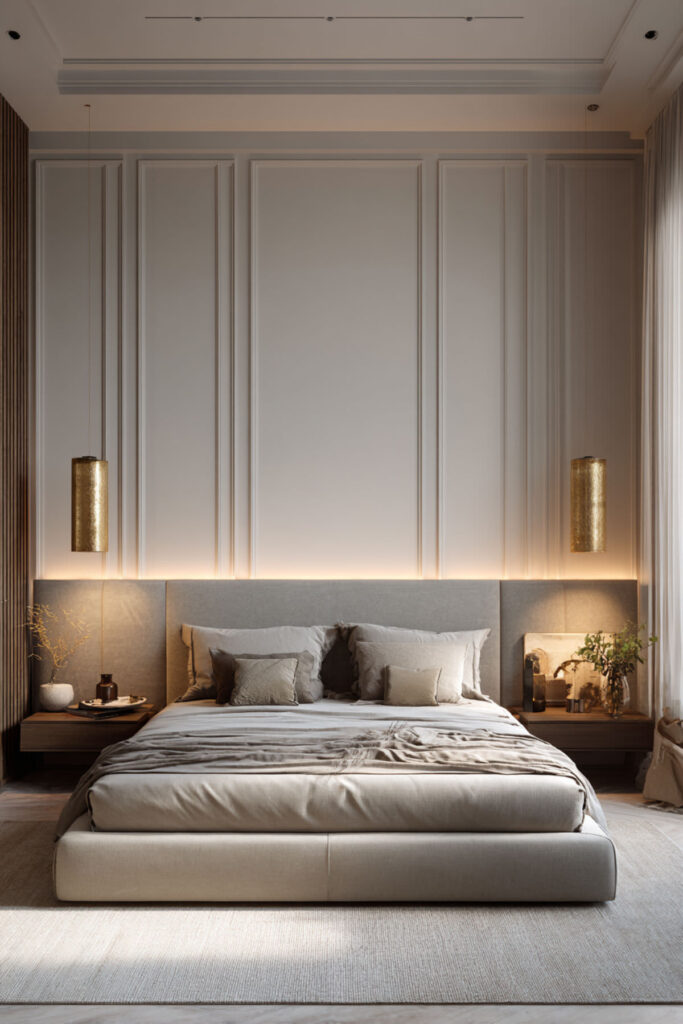
Creating distinct zones through paint can help your brain recognize “this is where I sleep.” Try painting the lower half of walls in a calming medium tone (sage, gray, or dusty blue) and the upper half in white or cream.
I strongly recommend this technique for bedrooms that serve multiple purposes. The visual boundary helps establish sleep space versus wake space, crucial for those of us whose brains don’t naturally make that distinction.
Room Painting Ideas Using Color Psychology

Understanding how colors affect your specific type of insomnia is key. For racing thoughts, try blue-greens. For anxiety, soft earth tones. For hormone-related sleeplessness, muted pinks or lavenders. I really recommend keeping a sleep journal while testing colors – note how different samples make you feel at bedtime.
This personalized approach beats following generic advice that might not address your particular sleep challenges. Pair your chosen shade with this luxury upholstered platform bed, to fully support your sleep sanctuary upgrade. Consider adding this oversized abstract canvas above your bed for a calming visual anchor that reinforces your chosen color palette.
Aesthetic Nature Bedroom Through Earthy Hues
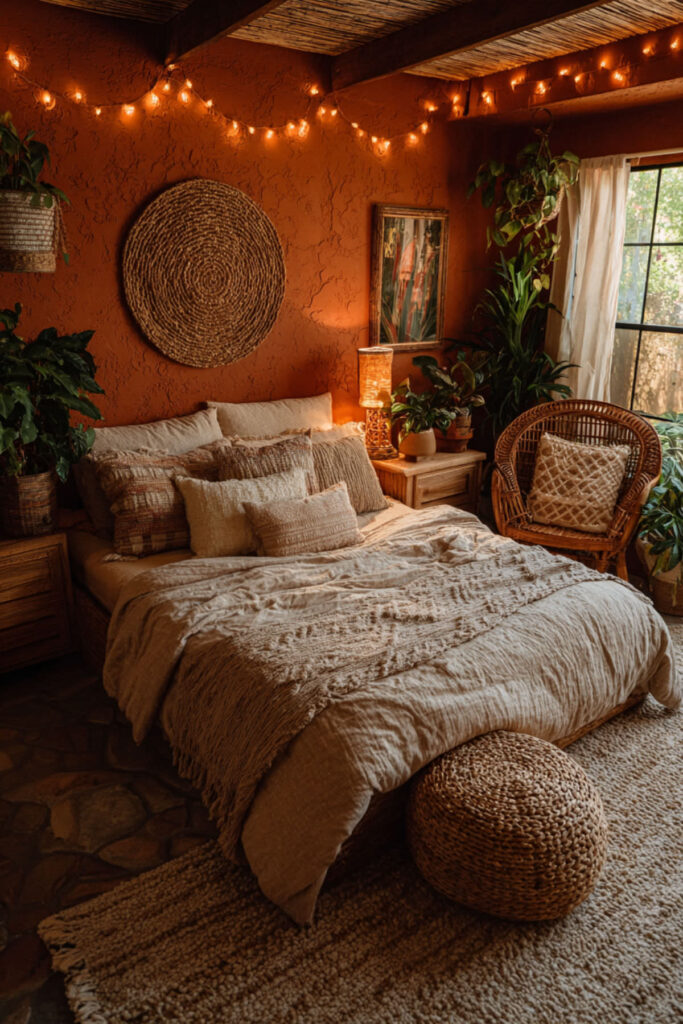
Nature-inspired colors – think sage, stone, sand, and sky – create an environment that connects you to natural sleep rhythms. I highly recommend choosing colors you’d find on a peaceful nature walk.
Paint walls in these hues and observe how they change throughout the day. The connection to nature helps regulate cortisol levels, crucial for those of us with disrupted sleep patterns. Pair it with this solid wood bed frame that brings the outdoors in and anchors your entire sleep space in calming, organic warmth.
Moody Bedroom Ideas That Promote Rest
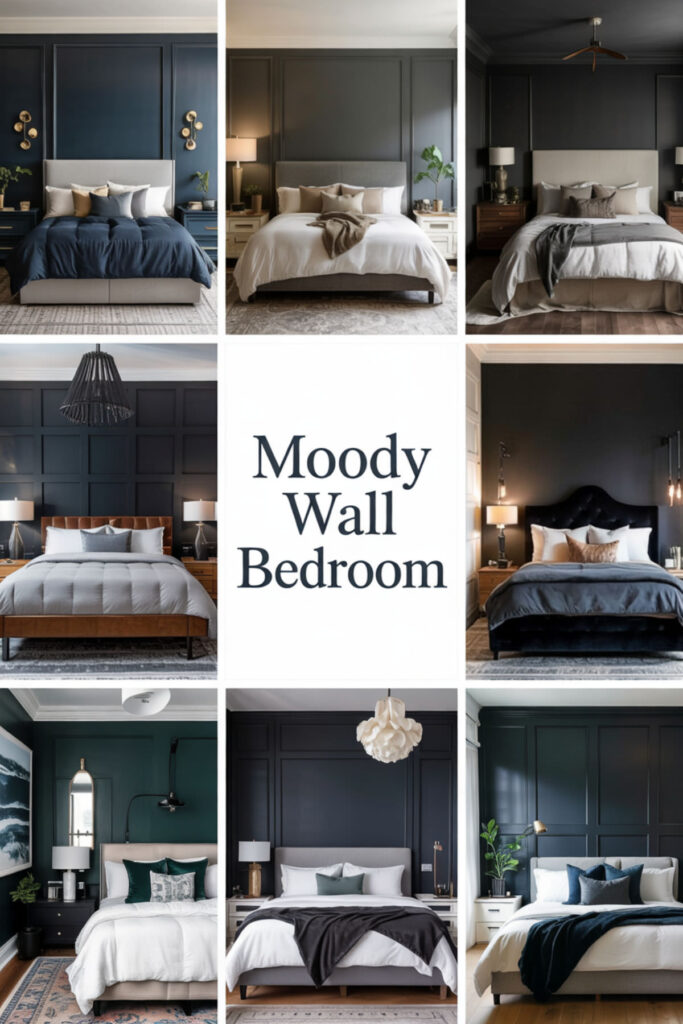
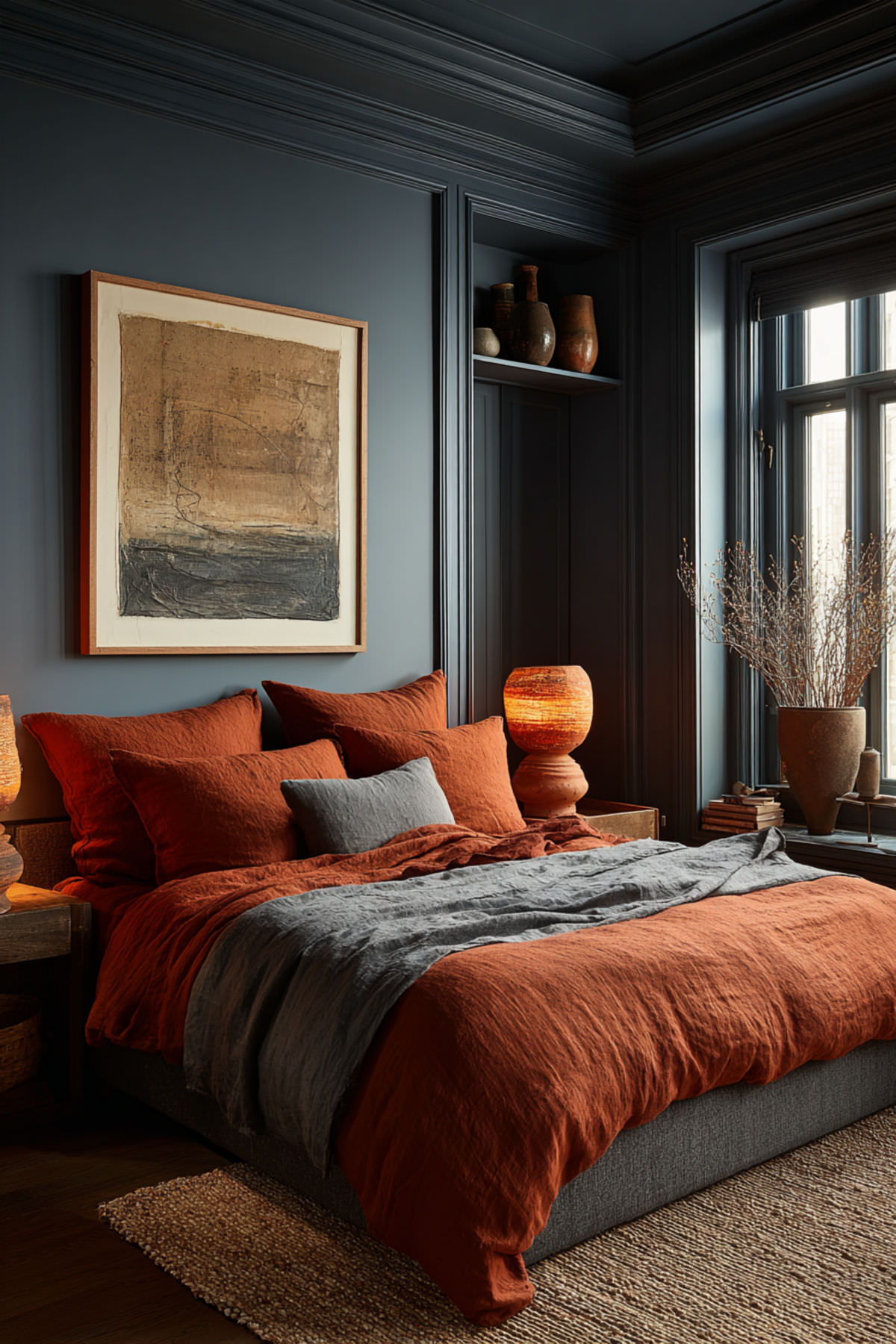
“Moody” doesn’t mean dark and depressing – it means rich, enveloping colors that create atmosphere. Deep teals, muted plums, or charcoal blues can be incredibly sleep-inducing.
I strongly recommend balancing moody walls with plenty of soft lighting options. The contrast between dark walls and warm lamplight creates this dreamy quality that makes staying awake feel like too much effort.
Bedroom Accent Wall Ideas for Focus
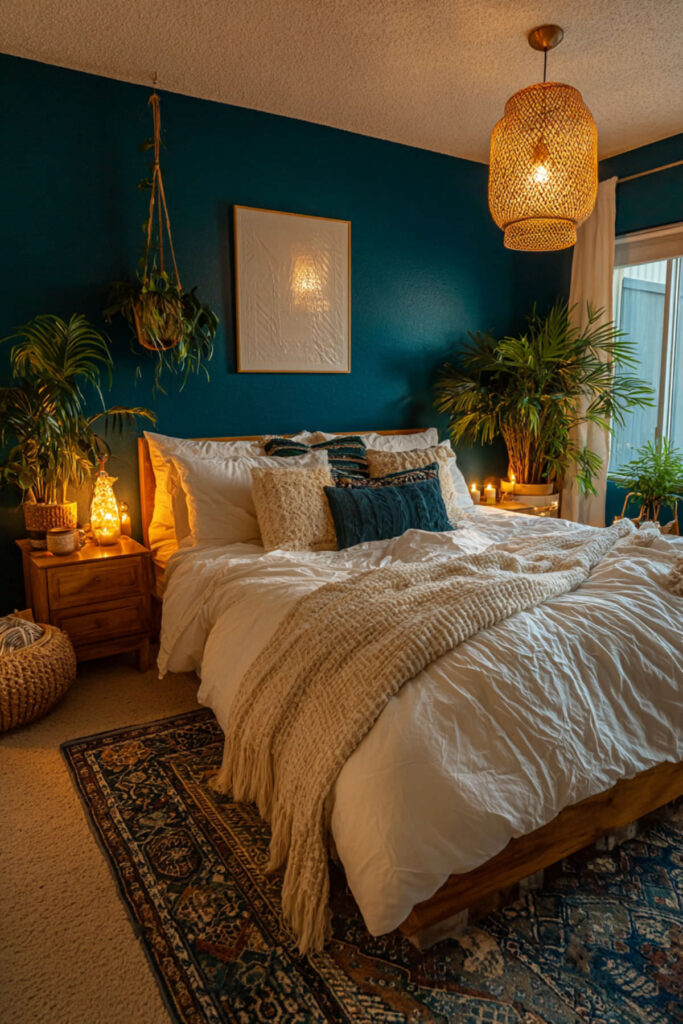
If painting an entire room feels overwhelming (and what doesn’t when you’re sleep-deprived?), start with one accent wall. I really recommend the wall behind your headboard – it’s what you see when entering the room but not while trying to sleep.
Choose a color 2-3 shades darker than your other walls for subtle impact. This creates visual interest without the commitment or overwhelm of four painted walls.
Relaxing Bedroom Ideas Through Warm Tones
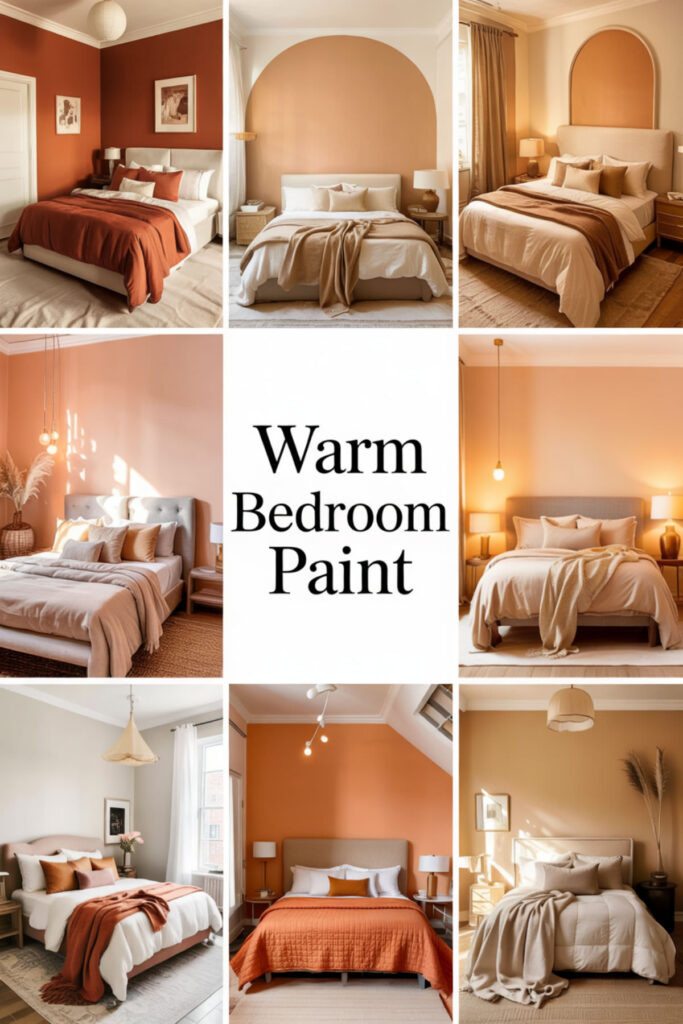
Warm colors don’t have to be stimulating if you choose the right shades. Muted terracotta, dusty clay, or warm taupe create a womb-like feeling that’s deeply comforting.
I highly recommend these for people whose insomnia includes feeling cold or disconnected. The warmth of the color provides psychological comfort during those long, lonely wakeful hours.
Classy Bedroom Ideas Using Sophisticated Neutrals
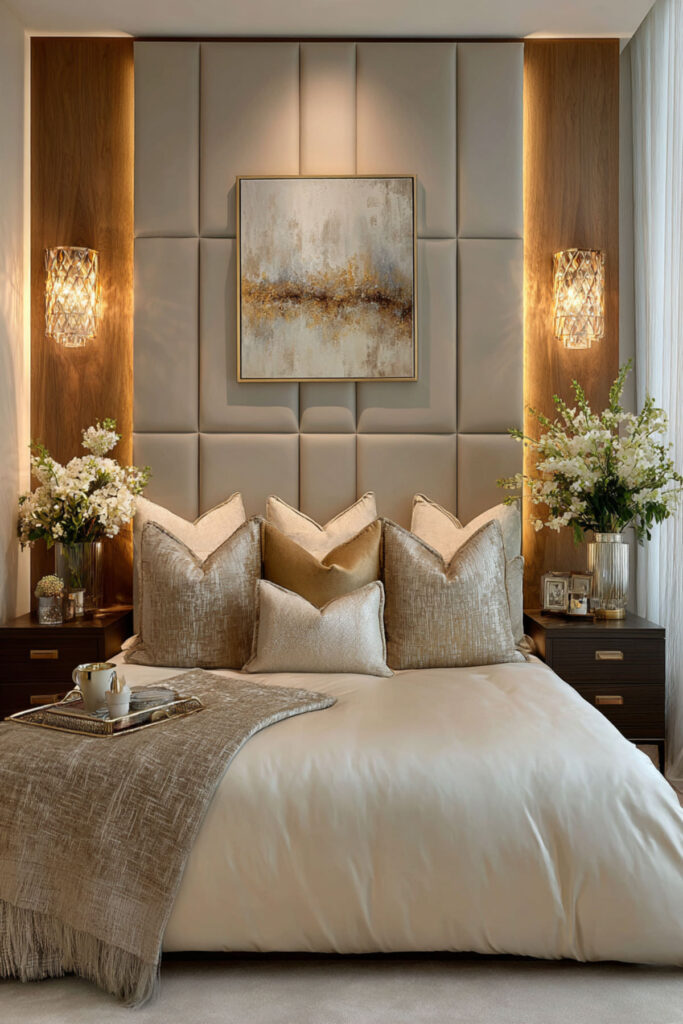
Sophisticated neutrals – think warm whites with undertones of pink or yellow, complex grays, or nuanced beiges – create an elevated space that feels intentionally restful. I strongly recommend investing in high-quality paint with good coverage.
The depth of color in premium paints creates a richness that flat, cheap paint can’t achieve. This investment in your sleep environment pays dividends in rest quality.
Your Sleep Sanctuary Awaits
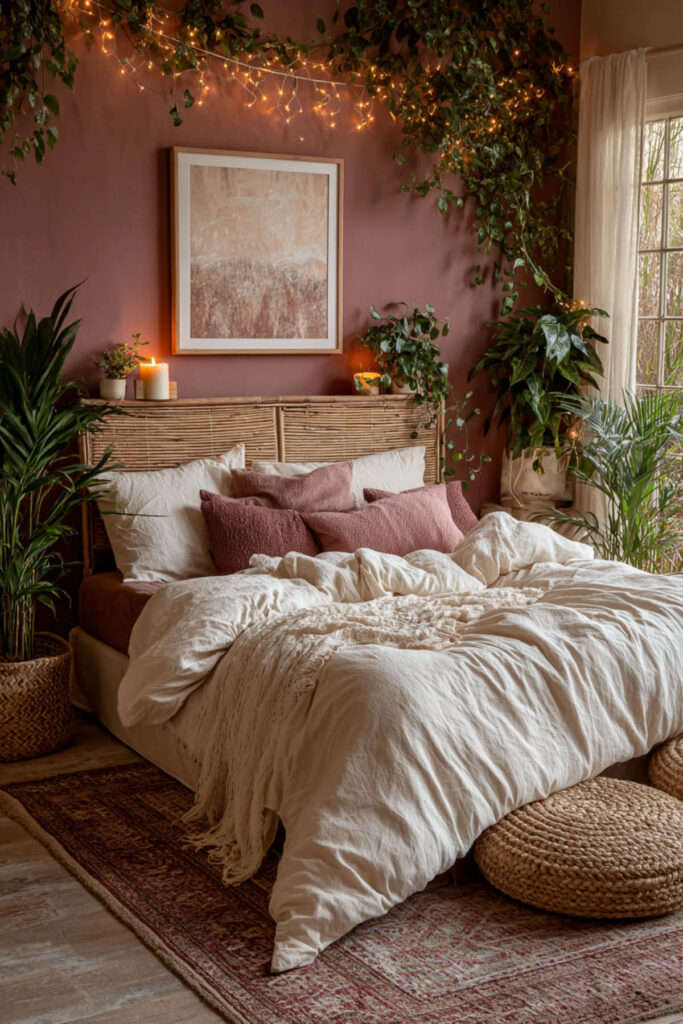
The right wall color won’t cure insomnia overnight, but it’s a powerful tool in your sleep-better toolkit. Whether you choose calming greens, grounding earth tones, or sophisticated neutrals, the key is selecting colors that speak to your specific sleep challenges. Start with one wall, live with it through several sleep cycles, and adjust as needed. Don’t miss these calming wallpaper makeover ideas that bring comfort and rest to women in their 50s dealing with sleepless nights.
Ready to optimize more of your bedroom for better sleep? Explore our guides on lighting for insomniacs or check out our collection of bedroom layout ideas for restless sleepers. Save these painting ideas for when you’re ready to take action – your future well-rested self will thank you.
Remember, creating a sleep-supportive environment isn’t just about aesthetics; it’s about finally giving your brain the visual cues it needs to power down. And after all those sleepless nights, don’t you deserve walls that work with you, not against you?
And here are a few last ideas — save them for later.
I hope you enjoyed the journey—my site is filled with even more beautiful bedrooms.
⫸ Click Here For Best Selling Sublimation Printers And Products ⫷